Screen printing has become a versatile and popular method for customizing a wide range of accessories, from hats and tote bags to backpacks and more. Whether you’re a small business owner, a print shop operator, or a creative hobbyist, understanding the process and best practices for printing on these items can help you achieve professional, long-lasting results. This guide to screen printing onto accessories covers essential techniques, equipment, and tips to ensure your projects stand out.
Before diving into the technical details, it’s important to recognize that printing on accessories presents unique challenges compared to flat garments like t-shirts. The variety of shapes, materials, and construction details means that each accessory requires a tailored approach. For those interested in achieving a premium finish, learning about what is soft hand feel in garment printing can also be valuable, as it applies to many accessory types.
Understanding the Basics of Accessory Screen Printing
Unlike standard apparel, accessories such as hats and bags often have seams, zippers, and varying fabric textures. These features can affect ink adhesion and print clarity. The screen printing process for accessories typically involves the following steps:
- Design Preparation: Convert your artwork into a stencil or screen, ensuring it fits the accessory’s print area.
- Screen Setup: Use screens with appropriate mesh counts for the accessory material. Finer meshes are better for detailed designs on smooth fabrics, while coarser meshes suit textured or thicker materials.
- Ink Selection: Choose inks compatible with the accessory’s fabric. Plastisol is common for most textiles, but water-based inks may be preferable for softer finishes.
- Printing Technique: Secure the accessory in place using specialized platens or jigs to prevent movement and ensure accurate registration.
- Curing: Properly cure the ink using heat presses, conveyor dryers, or flash dryers to ensure durability and wash resistance.
Each step must be adapted to the specific accessory to avoid smudging, misalignment, or incomplete prints.
Choosing the Right Accessories for Printing
Not all accessories are equally suited for screen printing. The most popular items include:
- Hats: Baseball caps, snapbacks, and beanies are common choices. Their curved surfaces require specialized hat presses or platens.
- Bags: Tote bags, drawstring backpacks, and messenger bags offer large, flat print areas ideal for bold graphics.
- Other Items: Aprons, wallets, and pouches can also be printed, but may need custom fixtures for stability.
When selecting accessories, consider the fabric type (cotton, polyester, canvas, nylon), color, and construction. Accessories with minimal seams and flat surfaces are generally easier to print on and yield more consistent results.
Essential Equipment for Accessory Printing
To achieve high-quality prints on hats, bags, and other accessories, you’ll need some specialized equipment in addition to standard screen printing tools:
- Hat Presses and Platens: These hold curved or irregularly shaped items in place during printing.
- Custom Jigs: For small or uniquely shaped accessories, custom jigs ensure stability and precise alignment.
- Flash Dryers or Heat Guns: Useful for spot curing ink on multi-layer designs or thick materials.
- Quality Screens: Invest in screens with mesh counts suited to your accessory materials for optimal ink transfer.
Proper setup is crucial. For example, printing on a structured cap requires a different approach than printing on a flat tote bag. Adjusting off-contact distance and squeegee pressure helps accommodate the accessory’s thickness and texture.
Tips for Achieving Crisp, Durable Prints
Printing on accessories can be challenging, but following these best practices will help you achieve professional results:
- Pre-Treat Surfaces: Clean and, if necessary, pre-press accessories to remove wrinkles and moisture.
- Test Prints: Always run a test print on a sample accessory to check ink adhesion and design placement.
- Use Registration Marks: These help align multi-color designs accurately, especially on small or curved surfaces.
- Control Ink Application: Avoid overloading the screen with ink, as this can cause bleeding or smudging on textured fabrics.
- Proper Curing: Ensure ink is fully cured to prevent cracking or fading after washing or regular use.
For those interested in alternative decoration methods, comparing what is embroidery vs printing for brand logos can help you decide which technique best suits your needs.
Common Challenges and How to Overcome Them
Screen printing onto accessories comes with its own set of obstacles. Here are some frequent issues and solutions:
- Ink Bleeding: Use lower squeegee pressure and appropriate mesh count to minimize ink spreading on absorbent fabrics.
- Misalignment: Secure accessories firmly and use registration systems to keep designs consistent.
- Ghost Images: Clean screens thoroughly between runs to avoid residual images. For more detailed guidance, see how to remove ghost images from printing screens.
- Poor Ink Adhesion: Choose inks formulated for the specific material, and pre-treat synthetic fabrics if necessary.
Experimentation and experience are key. Keeping detailed records of settings and materials used can help you refine your process over time.
Expanding Your Offerings with Accessory Printing
Adding screen-printed accessories to your product lineup can open new revenue streams and enhance your brand’s appeal. Custom hats and bags are popular for promotional events, retail, and corporate branding. With the right techniques, you can offer clients a wide range of personalized products.
For small fashion labels or startups, exploring the benefits of direct to film for small fashion labels may also be worthwhile, as DTF printing offers flexibility for short runs and complex designs.
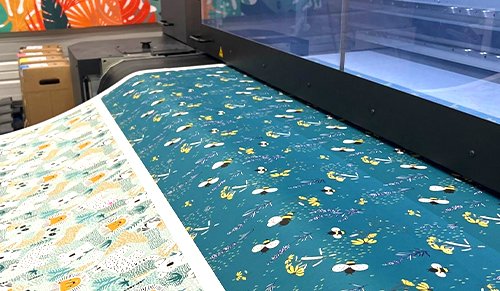
Staying updated on industry trends and new technologies, such as digital textile printing advancements, can help you stay competitive and meet evolving customer demands.
Frequently Asked Questions
What types of inks work best for screen printing on hats and bags?
Plastisol inks are widely used for their durability and vibrant colors, especially on cotton and polyester accessories. For a softer feel or eco-friendly approach, water-based inks are suitable for natural fibers like cotton or canvas. Always check ink compatibility with the specific material of your accessory.
How do I prevent designs from cracking or fading on accessories?
Proper curing is essential. Make sure the ink reaches the recommended temperature and duration for full polymerization. Using high-quality inks and pre-treating the accessory surface can also enhance print longevity. Avoid over-curing, which can make prints brittle.
Can I screen print on all types of bags and hats?
Most fabric-based accessories can be screen printed, but items with heavy textures, waterproof coatings, or complex shapes may require special inks or printing techniques. Always test on a sample before committing to a full production run to ensure satisfactory results.