Understanding the difference between dye and pigment in fabric printing is essential for anyone involved in textile design, garment manufacturing, or even DIY fabric projects. Both dyes and pigments are used to add color to textiles, but their chemistry, application methods, and resulting fabric characteristics differ significantly. Choosing the right coloring agent can impact not only the vibrancy and durability of the print but also the feel and performance of the finished fabric.
Whether you’re a professional printer, a fashion entrepreneur, or simply curious about how your clothes get their color, this article will break down the fundamental distinctions between these two coloring technologies. We’ll also touch on how these choices affect aspects like softness, wash fastness, and environmental impact.
For those interested in achieving a soft, comfortable finish on printed garments, you may also want to explore what is soft hand feel in garment printing and how it relates to your choice of coloring method.
What Are Dyes and Pigments?
At the core, both dyes and pigments serve the purpose of imparting color to fabrics, but they do so in fundamentally different ways. Dyes are soluble substances that chemically bond with fibers, while pigments are insoluble particles that adhere to the fabric surface with the help of binders.
- Dyes dissolve in water or another solvent and penetrate the fibers, creating a chemical bond. This process results in vibrant, long-lasting colors that become part of the textile itself.
- Pigments are finely ground color particles that do not dissolve. Instead, they are suspended in a binder, which glues the pigment to the surface of the fabric. The color sits on top of the fibers rather than becoming integrated within them.
Key Differences in Chemistry and Application
The difference between dye and pigment in fabric printing starts with their chemical properties and extends to how they are applied in the printing process. These distinctions influence everything from the types of fabrics each can be used on to the durability and feel of the final product.
Chemical Bonding vs. Surface Coating
- Dyes form a molecular bond with the fabric, which means the color is locked within the fibers. This is especially effective on natural fibers like cotton, silk, and wool.
- Pigments rely on a binder to adhere to the textile surface. The binder acts like a glue, holding the pigment in place. This method works on a wider variety of materials, including synthetics, but the color remains on the surface.
Printing Techniques and Compatibility
Different printing technologies favor either dyes or pigments:
- Dye-based printing is commonly used in processes like reactive, acid, and disperse dye printing. These methods are ideal for producing bright, deep colors on natural fibers and some synthetics.
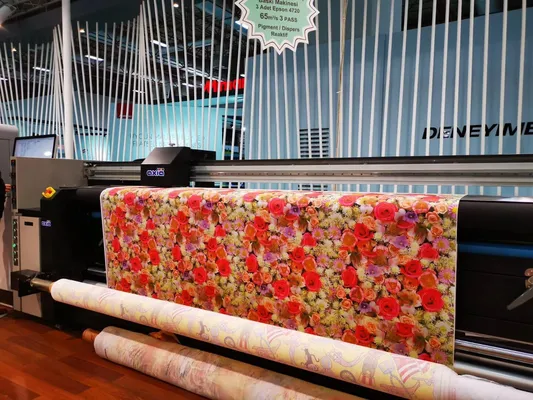
- Pigment printing is popular for digital textile printing and screen printing, especially when working with blended or synthetic fabrics. Pigment inks are more versatile in terms of fabric compatibility but may result in a slightly stiffer hand feel.
Color Vibrancy, Fastness, and Feel
When comparing the difference between dye and pigment in fabric printing, color quality and durability are major considerations. Each method offers unique advantages and trade-offs.
Color Depth and Brightness
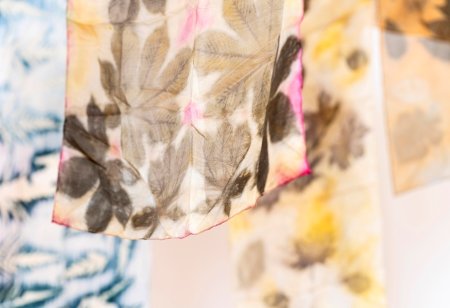
- Dyes typically produce more vivid and saturated colors because they penetrate the fiber. The result is a deep, rich hue that is less likely to fade quickly.
- Pigments can achieve a wide range of colors, but the vibrancy may not match that of dyes. However, advances in pigment ink technology are closing this gap, especially in digital printing.
Wash and Light Fastness
- Dye prints generally have excellent wash fastness, meaning the color stays vibrant after multiple washes, especially when the correct dye type is matched to the fabric.
- Pigment prints can be less resistant to washing and abrasion if not properly cured or if low-quality binders are used. However, modern binders have improved durability considerably.
Hand Feel and Fabric Performance
- Dye-based prints maintain the natural softness and drape of the fabric because the color is integrated within the fibers.
- Pigment-based prints may feel slightly stiffer, especially with heavy coverage, as the binder forms a film on the surface. This can affect the comfort and flexibility of the finished textile.
Environmental Impact and Production Considerations
Environmental concerns are increasingly influencing the choice between dyes and pigments in textile printing. Each has its own ecological footprint and operational requirements.
- Dyes often require more water and chemicals for fixation and rinsing, which can result in higher wastewater output if not managed properly.
- Pigments use less water and can be applied in more eco-friendly, waterless digital printing processes. However, the binders used may contain synthetic resins, which have their own environmental considerations.
For a broader look at how digital printing technologies are evolving and their impact on the textile industry, see this overview of digital textile printing technology.
Summary Table: Dyes vs. Pigments in Textile Printing
| Aspect | Dyes | Pigments |
|---|---|---|
| Color Bonding | Chemically bonds with fibers | Adheres to surface with binder |
| Fabric Compatibility | Best for natural fibers | Works on most fabrics |
| Color Vibrancy | Very high | Moderate to high |
| Wash Fastness | Excellent | Good (with quality binders) |
| Hand Feel | Soft, natural | Can be stiffer |
| Environmental Impact | Higher water/chemical use | Lower water use, binder concerns |
| Printing Methods | Reactive, acid, disperse, vat | Screen, digital, transfer |
Choosing the Right Method for Your Project
The decision between using dyes or pigments in fabric printing depends on your project goals, fabric type, and desired end-use. If you prioritize vibrant color and a soft feel, especially on natural fibers, dyes are often the preferred choice. If versatility, ease of use, or environmental factors are more important—particularly for synthetic or blended fabrics—pigment printing may offer the best solution.
For those in the fashion industry, understanding these differences can also inform choices about production models and technology. For example, the benefits of micro-factory models for fashion printing are closely tied to advances in pigment-based digital printing, which supports on-demand, sustainable production.
Frequently Asked Questions
Which is more durable: dye or pigment printing?
Generally, dye-based prints are more durable in terms of wash and abrasion resistance, especially when applied to compatible fabrics. Pigment prints have improved in durability with modern binders, but may still show wear faster if not properly cured or if used on high-friction garments.
Can pigment inks be used on all types of fabric?
Pigment inks are highly versatile and can be applied to a wide range of textiles, including cotton, polyester, blends, and even nonwovens. However, the final hand feel and durability may vary depending on the fabric and binder used.
How do dyes and pigments affect the softness of printed garments?
Dye-based prints maintain the original softness and drape of the fabric because the color is embedded within the fibers. Pigment prints, especially with heavy coverage, can feel stiffer due to the binder layer on the surface. For tips on achieving a soft finish, see what is soft hand feel in garment printing.
Are there environmental advantages to using pigment printing?
Pigment printing typically uses less water and can be more environmentally friendly, especially in digital applications. However, the environmental impact of binders should also be considered. Advances in eco-friendly binders are helping to reduce the ecological footprint of pigment-based processes.
Conclusion
Understanding the difference between dye and pigment in fabric printing is crucial for making informed decisions in textile production and design. Each method offers unique benefits and challenges, from color vibrancy and durability to environmental impact and fabric feel. By considering your specific needs and the characteristics of your chosen fabric, you can select the most suitable coloring technology for your next project.