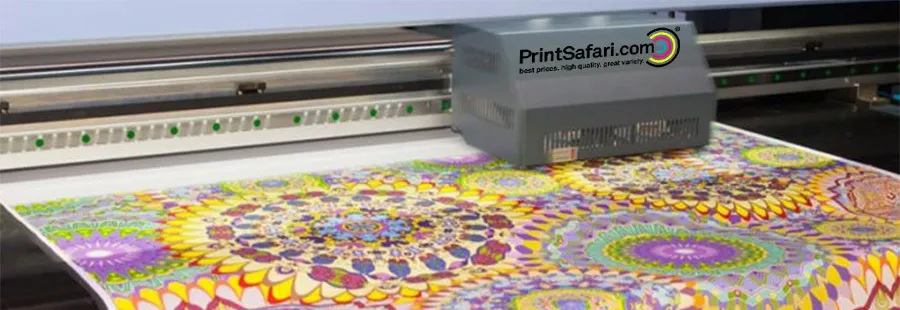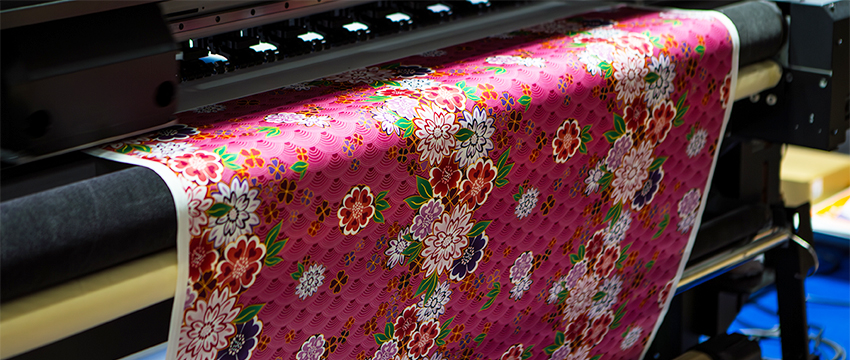
The fashion industry is evolving rapidly, with digital textile printing playing a pivotal role in how brands and designers bring their visions to life. Among the leading solutions, Kornit printers stand out for their ability to deliver vibrant, high-quality prints on a wide range of fabrics. This guide to using Kornit printers for fashion explores how these advanced machines are transforming apparel production, from small-batch runs to large-scale manufacturing.
Whether you’re a startup designer, a print service provider, or a large apparel brand, understanding the workflow, benefits, and best practices of Kornit’s technology can help you stay competitive in today’s fast-paced market. We’ll cover the essentials of digital textile printing, practical setup tips, and how Kornit’s eco-friendly approach aligns with modern sustainability goals.
For those interested in how digital printing compares to other ink technologies, the difference between solvent and eco-solvent textile inks is a valuable resource to deepen your knowledge of ink compatibility and environmental impact.
Understanding Kornit’s Digital Printing Technology
Kornit’s direct-to-garment (DTG) and direct-to-fabric (DTF) printers leverage advanced inkjet technology to apply water-based inks directly onto textiles. This process eliminates the need for screens or plates, making it ideal for on-demand production and customization. With a guide to using Kornit printers for fashion in hand, brands can achieve detailed designs, photographic prints, and complex color gradients that are difficult or impossible with traditional methods.
Key features of Kornit’s technology include:
- High-resolution printing for crisp, detailed images
- Support for a wide variety of fabrics, including cotton, polyester, blends, and even synthetics
- Integrated pre-treatment and curing systems for streamlined workflow
- Eco-friendly, water-based inks that meet industry standards for safety and sustainability

Preparing Your Workflow for Kornit Printing
Adopting Kornit printers requires thoughtful planning to maximize efficiency and output quality. Here are the main steps to set up a successful digital textile printing workflow:
- Design Preparation: Start with high-resolution artwork in the correct color profile (usually RGB or CMYK, depending on workflow). Kornit’s RIP software helps optimize images for textile printing.
- Fabric Selection: Kornit machines are versatile, but fabric choice impacts print results. Pre-treated cotton and blends often yield the best color vibrancy and wash durability.
- Pre-Treatment (if required): Some fabrics need pre-treatment to ensure ink adhesion and colorfastness. Many Kornit models feature automated pre-treatment, reducing manual labor and error.
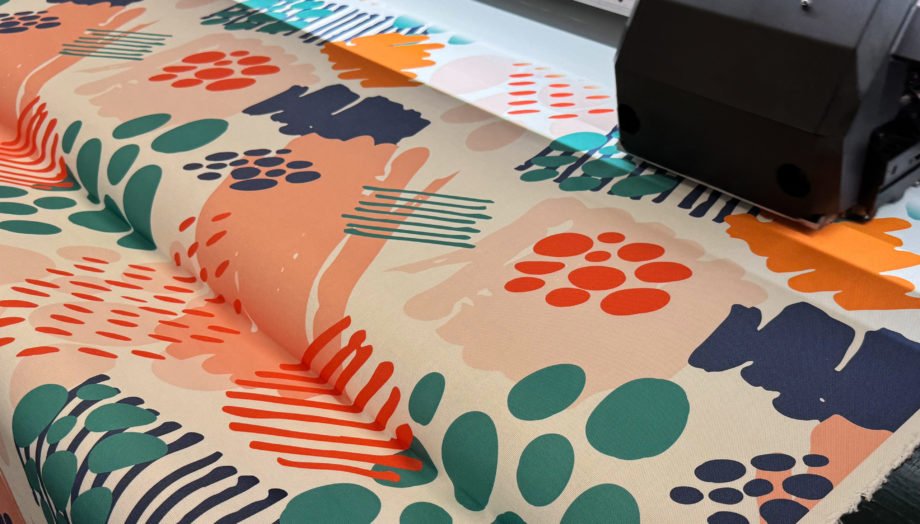
- Printing: Load garments or rolls onto the printer. Kornit’s automated systems handle ink application, layering, and curing in a single pass.
- Post-Processing: After printing, garments may require additional curing or washing to set the inks and remove any pre-treatment residue.
Advantages of Kornit Printers in Fashion Manufacturing
Choosing Kornit for apparel production offers several advantages over traditional screen printing or sublimation:
- On-demand production: Print only what you need, reducing inventory and waste.
- Customization: Easily produce unique designs, limited editions, or personalized items without setup costs.
- Speed to market: Rapid turnaround times help brands respond quickly to trends and consumer demand.
- Eco-conscious process: Kornit’s water-based inks and minimal waste approach support sustainability initiatives.
For brands exploring sustainable materials, you may also be interested in learning how to print on sustainable bamboo fabrics using digital methods.
Best Practices for Consistent Results
To get the most out of your Kornit printer, follow these practical tips:
- Regular Maintenance: Clean printheads and follow manufacturer guidelines for upkeep to prevent downtime and maintain print quality.
- Test Prints: Always run test prints when working with new fabrics or designs to fine-tune settings.
- Monitor Environmental Conditions: Humidity and temperature can affect ink performance and curing. Maintain a stable environment in your print facility.
- Staff Training: Ensure operators are trained on Kornit’s software and hardware for efficient troubleshooting and optimal output.
Integrating Kornit Technology with Fashion Micro-Factories
Modern apparel brands are increasingly adopting micro-factory models—compact, agile production setups that leverage digital printing for rapid prototyping and fulfillment. Kornit printers are a natural fit for these environments, enabling brands to produce small batches, test new designs, and minimize lead times. For a deeper dive into this approach, see the benefits of micro-factory models for fashion printing and how they can reshape your production strategy.
Comparing Kornit to Other Digital Textile Printing Solutions
While Kornit is a leader in direct-to-garment and direct-to-fabric printing, it’s important to understand how it compares to other digital printing options. Kornit’s all-in-one workflow, integrated pre-treatment, and robust ink systems set it apart from many competitors. However, for certain applications, such as rapid textile sampling, inkjet-based solutions may offer unique advantages. Explore more about how to use inkjet technology for textile sampling to see how these methods can complement your Kornit setup.
Environmental Impact and Sustainability
Sustainability is a top priority for modern fashion brands. Kornit’s water-based inks are free from hazardous chemicals and meet strict safety standards. The digital process reduces water and energy consumption compared to traditional dyeing and printing. Additionally, the ability to print on demand means less overproduction and textile waste—key concerns for eco-conscious businesses.
For a broader perspective on eco-friendly ink choices, review the difference between solvent and eco-solvent textile inks to understand how Kornit’s technology fits into the wider landscape of sustainable printing.
Choosing the Right Kornit Model for Your Needs
Kornit offers a range of printers tailored to different production scales and fabric types. When selecting a model, consider:
- Production volume: Entry-level models suit small businesses, while industrial machines handle large-scale output.
- Fabric compatibility: Some models are optimized for cotton, others for synthetics or mixed fibers.
- Integration: Look for features like automated pre-treatment, roll-to-roll capability, and software compatibility with your existing workflow.
Consult with a Kornit representative or authorized dealer to match your business requirements with the right equipment.
Further Resources on Digital Textile Printing
To expand your understanding of digital textile printing and its role in the modern fashion industry, consider exploring comprehensive guides to digital textile printing that cover technology trends, ink innovations, and sustainability practices.
Frequently Asked Questions
What types of fabrics can Kornit printers handle?
Kornit printers are designed for versatility, supporting cotton, polyester, blends, denim, synthetics, and more. Some models are optimized for specific fabric types, so it’s important to check compatibility before starting a project.
How does Kornit printing support sustainable fashion?
Kornit’s water-based inks and on-demand production model reduce water usage, chemical waste, and overproduction. This aligns with the growing demand for environmentally responsible apparel manufacturing.
Is digital textile printing with Kornit suitable for small-batch or custom orders?
Yes, Kornit’s technology excels at short runs, personalized designs, and rapid prototyping, making it ideal for brands that value flexibility and fast turnaround times.