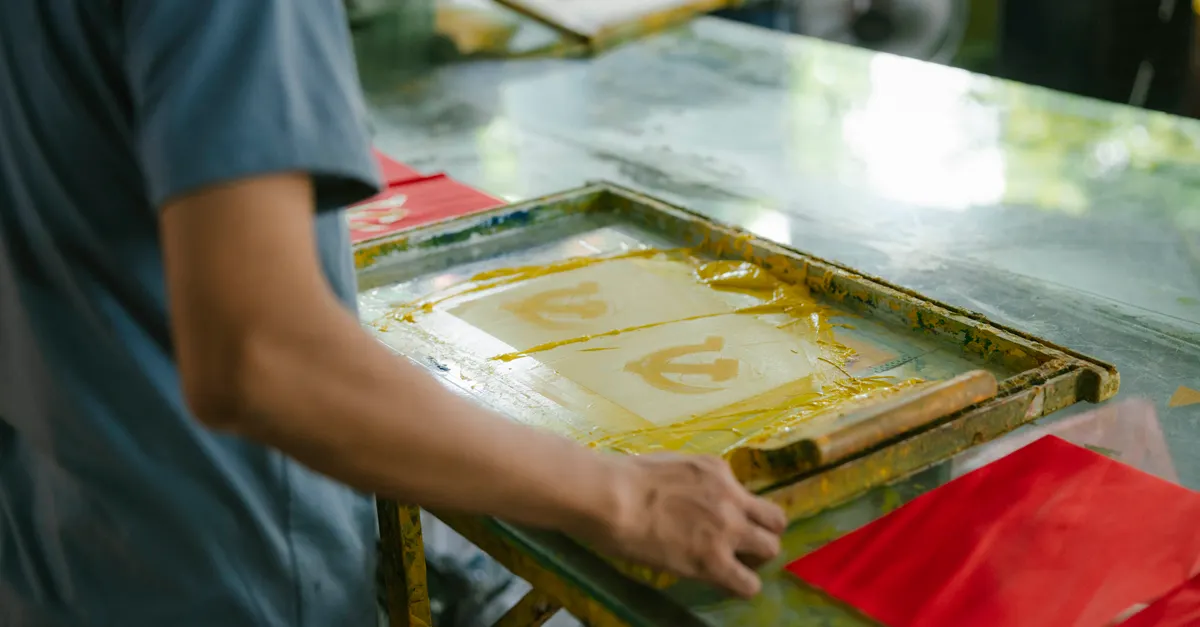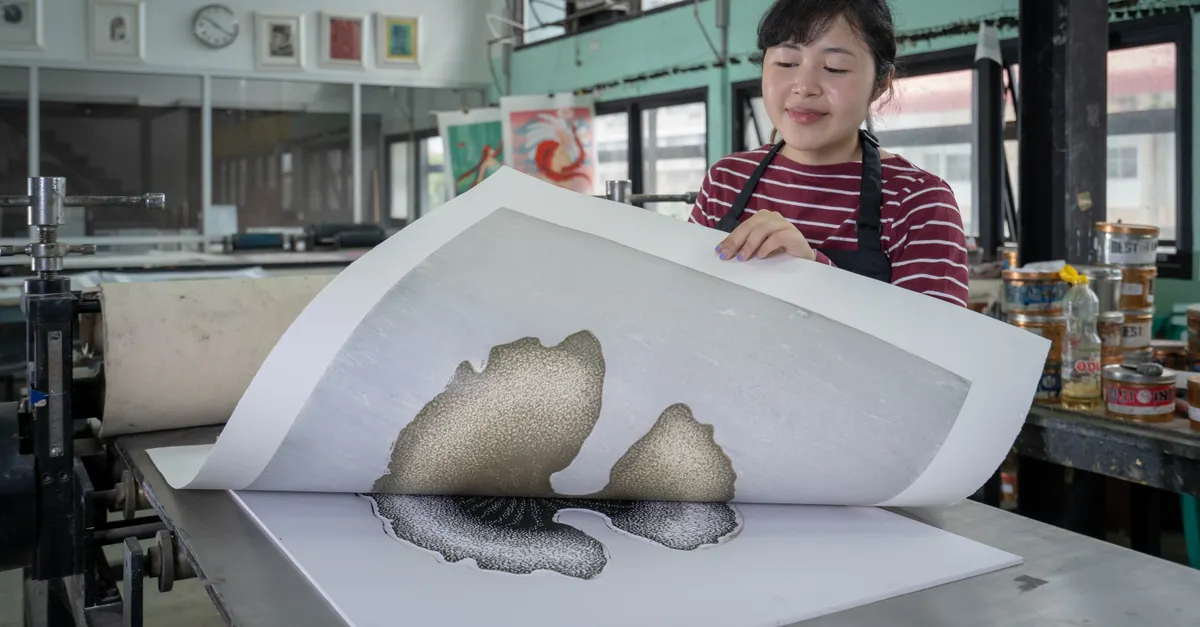
Artists today are increasingly aware of the environmental impact of their creative processes, especially when it comes to producing prints. The demand for sustainable printing solutions for artists has grown as more creatives seek to align their work with eco-conscious values. Choosing greener options not only helps protect the planet but also resonates with art buyers who prioritize sustainability. This guide explores eco-friendly materials, compares printing methods, and addresses the benefits and challenges of adopting sustainable practices in the art world.
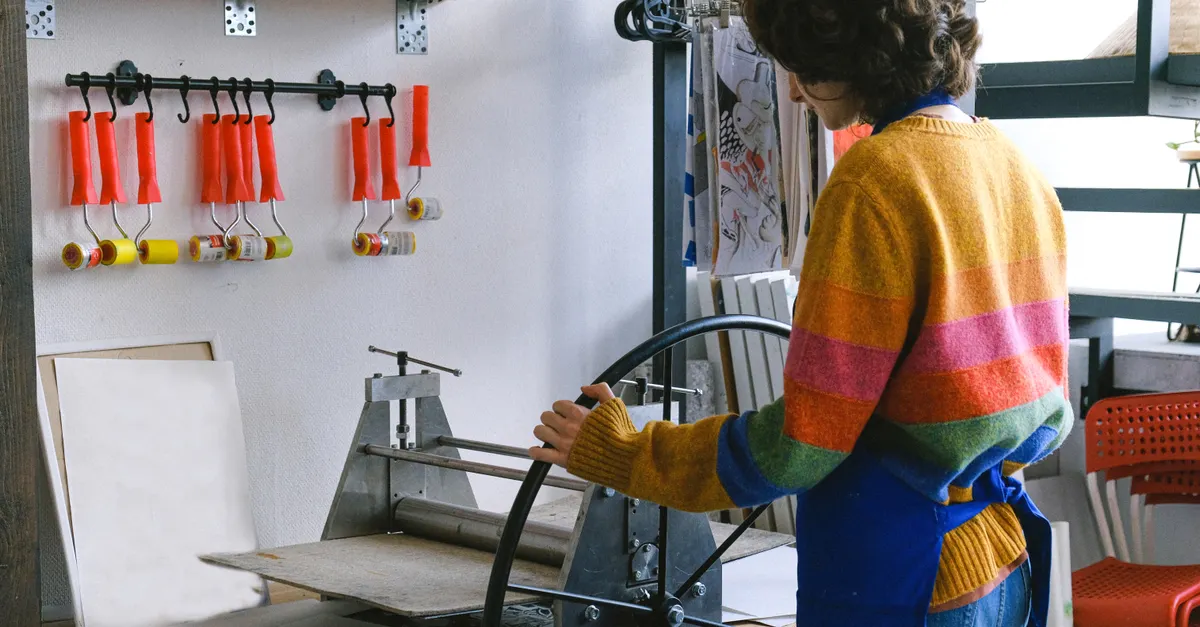
Understanding the Need for Eco-Conscious Art Printing
Traditional printing methods often rely on materials and processes that contribute to environmental harm, including the use of petroleum-based inks, non-recyclable substrates, and high energy consumption. For artists, these practices can conflict with a desire to minimize their ecological footprint. Embracing sustainability in printmaking means considering the entire lifecycle of an artwork—from the sourcing of materials to the disposal or recycling of finished pieces. By making informed choices, artists can reduce waste, limit emissions, and support a more responsible art industry.
Eco-Friendly Materials for Art Printing
One of the most significant steps toward sustainability in art printing is selecting materials that are less harmful to the environment. Eco-friendly materials include papers, canvases, and substrates made from recycled or renewable resources. For example, many sustainable Giclée printing services use FSC-certified papers—these come from responsibly managed forests and are often recyclable or biodegradable.
Biodegradable and recyclable materials help reduce landfill waste and support a circular economy. Some studios also offer cotton rag papers made from textile industry offcuts, further minimizing resource consumption. Additionally, the use of non-toxic, water-based inks in place of traditional solvent-based options significantly cuts down on harmful emissions and chemical runoff.
When evaluating materials, artists should look for certifications such as FSC (Forest Stewardship Council) or labels indicating recycled content. These choices not only benefit the environment but can also enhance the story behind each artwork, appealing to eco-conscious collectors.
Comparing Sustainable Printmaking Techniques
There are several sustainable printmaking methods available to artists, each with unique advantages and limitations. Understanding these options can help artists select the best fit for their creative and environmental goals.
Green Printmaking
This approach emphasizes the use of non-toxic, water-based inks and often incorporates renewable energy sources, such as solar power, in the printing process. By avoiding hazardous chemicals and reducing reliance on fossil fuels, green printmaking significantly lowers emissions and waste. This method is well-suited for artists who prioritize both health and environmental safety in their studios.
Giclée Printing
Giclée is a popular technique for producing high-quality art prints. Sustainable Giclée services use recyclable and biodegradable materials, renewable energy, and non-toxic inks. The result is a vibrant, archival-quality print with a reduced environmental footprint. This method is ideal for artists seeking professional results without compromising on sustainability.
Recycled and Alternative Substrates
Some artists and print studios experiment with substrates made from post-consumer waste, agricultural byproducts, or even innovative materials like recycled plastics. For example, those interested in three-dimensional work may explore recycled plastic 3D printing as a way to create sculptures or mixed-media pieces using sustainable inputs. These alternatives can open new creative possibilities while supporting eco-friendly practices.
Digital Printing with Renewable Energy
Digital printing is inherently less wasteful than traditional offset methods, as it allows for short runs and on-demand production. When combined with renewable energy sources and sustainable materials, digital printing becomes an even more responsible choice for artists producing limited editions or custom pieces.
Benefits of Sustainable Printing Solutions
Adopting sustainable printing solutions offers a range of benefits for artists and the broader art community. Environmentally responsible practices help reduce pollution, conserve resources, and promote biodiversity by supporting sustainable forestry and material sourcing. For artists, these choices can also enhance their brand, attracting buyers who value ethical production and environmental stewardship.
Eco-friendly printing can improve studio safety by minimizing exposure to toxic chemicals, creating a healthier workspace. Additionally, sustainable practices often lead to cost savings over time, as efficient resource use and waste reduction lower operational expenses. By sharing their commitment to sustainability, artists can differentiate themselves in a competitive market and build lasting relationships with like-minded collectors.
Challenges and Considerations in Sustainable Art Printing
While the advantages of eco-friendly printmaking are clear, artists may encounter several challenges when transitioning to sustainable practices. One common hurdle is the availability and cost of certified materials, which can sometimes be higher than conventional options. Sourcing reliable suppliers for recycled or biodegradable substrates may require additional research and effort.
Another consideration is the potential learning curve associated with new techniques or materials. For example, water-based inks may behave differently than traditional solvent-based ones, requiring adjustments in application or drying times. Artists may also need to invest in updated equipment or collaborate with specialized print studios to achieve their desired results.
Despite these obstacles, many artists find that the long-term benefits—both environmental and reputational—outweigh the initial challenges. Networking with other eco-conscious creatives, participating in workshops, and staying informed about industry developments can help artists navigate the transition to sustainable printmaking.

Conclusion: Moving Toward Greener Art Practices
Embracing sustainability in art printing is a meaningful way for artists to align their creative work with their environmental values. By choosing eco-friendly materials, exploring innovative printmaking techniques, and overcoming challenges through education and collaboration, artists can reduce their ecological impact and inspire positive change within the art community. As demand for responsible art production continues to grow, those who prioritize sustainability will be well-positioned to lead the way toward a greener future.
Frequently Asked Questions
What are the most sustainable printing methods for artists?
Some of the most sustainable methods include green printmaking with non-toxic, water-based inks, Giclée printing using recycled or biodegradable materials, and digital printing powered by renewable energy. Each method offers unique benefits, so artists should consider their creative needs and environmental priorities when choosing a technique.
How do sustainable inks differ from traditional inks in art printing?
Sustainable inks are typically water-based or made from natural ingredients, which reduces the release of volatile organic compounds (VOCs) and other harmful chemicals. In contrast, traditional inks often contain petroleum-based solvents that can be hazardous to both health and the environment. Using non-toxic inks supports cleaner air and safer studio conditions.
Can sustainable printing solutions match the quality of traditional methods?
Yes, advances in eco-friendly materials and technology have made it possible to achieve professional, archival-quality results with sustainable printing. Many artists find that prints produced with recycled papers and non-toxic inks are indistinguishable from those made with conventional materials, ensuring that quality is not sacrificed for sustainability.