As the food industry evolves, so do the standards and innovations in food-safe packaging trends. Businesses and consumers alike are increasingly aware of the importance of packaging that not only preserves freshness but also ensures safety and sustainability. From regulatory changes to eco-friendly materials, the landscape is shifting rapidly, shaping how products are presented and protected.
Understanding the latest developments in this area is essential for manufacturers, retailers, and anyone involved in the food supply chain. This article breaks down the most significant movements in food packaging, highlighting materials, technologies, and best practices that are defining the future of safe and responsible food packaging.
For those interested in related innovations, exploring what is the future of smart textiles and printing can offer additional insights into how technology is transforming packaging and materials across industries.
Why Food-Safe Packaging Matters More Than Ever
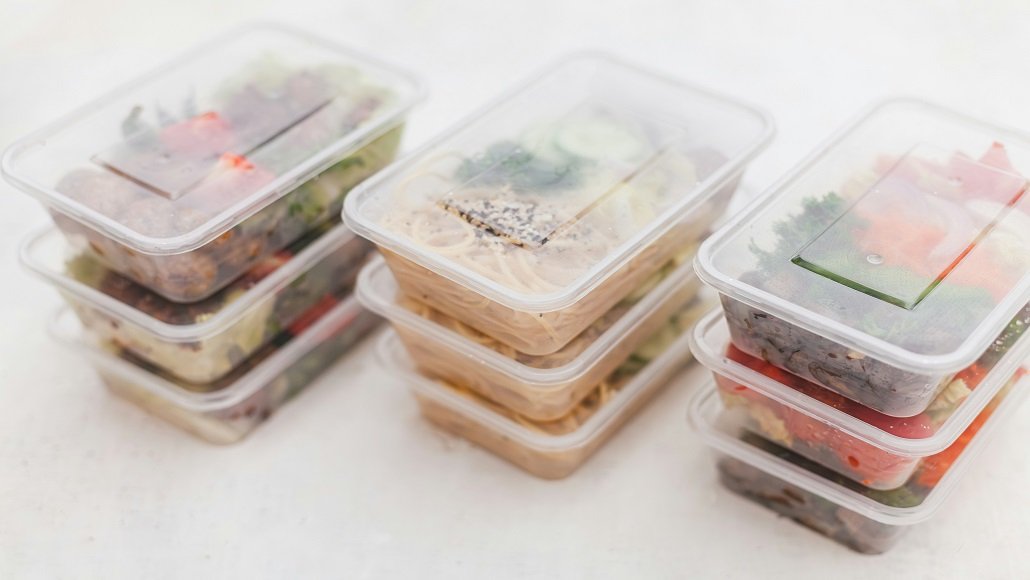
Food packaging serves as the first line of defense against contamination, spoilage, and physical damage. With increasing global trade and consumer demand for convenience, the need for reliable, food-safe packaging has never been greater. Regulatory bodies worldwide are tightening standards to ensure that packaging materials do not leach harmful substances into food products.
Recent studies, such as those discussed in this comprehensive review of food packaging safety and sustainability, highlight the risks associated with certain plastics, inks, and adhesives. As a result, the industry is moving toward safer, more transparent solutions that prioritize both health and environmental impact.
Key Innovations in Food-Safe Packaging Materials
The shift toward safer and more sustainable packaging is driving the adoption of new materials. Here are some of the most notable advances:
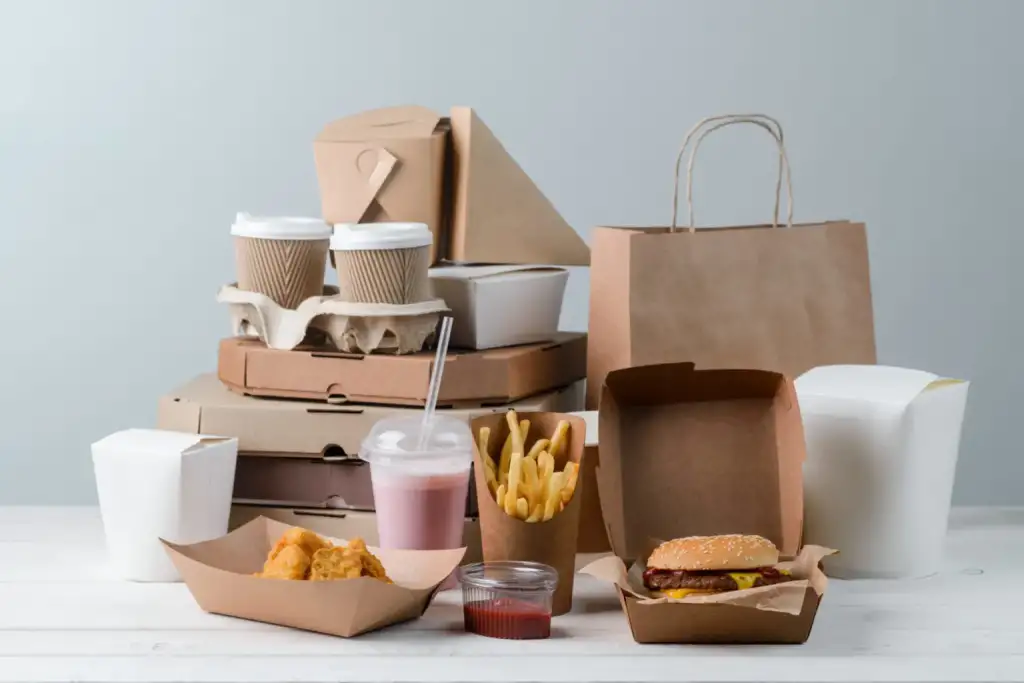
- Biodegradable and Compostable Options: Materials such as PLA (polylactic acid), bagasse, and molded fiber are replacing conventional plastics. These alternatives break down more easily and reduce landfill waste.
- Plant-Based Plastics: Derived from renewable resources like corn starch or sugarcane, these plastics offer a lower carbon footprint and are generally free from harmful additives.
- Recycled Content: Many manufacturers are incorporating post-consumer recycled materials into their packaging, supporting circular economy principles and reducing the demand for virgin resources.
- Edible Packaging: While still niche, edible films made from seaweed, rice, or potato starch are gaining attention for single-serve items and specialty foods.
Emerging Technologies Shaping Food Packaging
Technological advancements are playing a pivotal role in the evolution of food-safe packaging trends. Some of the most impactful developments include:
- Active Packaging: This technology involves materials that interact with the food or environment to extend shelf life. Examples include oxygen scavengers, moisture absorbers, and antimicrobial coatings.
- Intelligent Packaging: Smart labels and sensors can monitor temperature, freshness, and even detect contamination, providing real-time information to both consumers and supply chain managers.
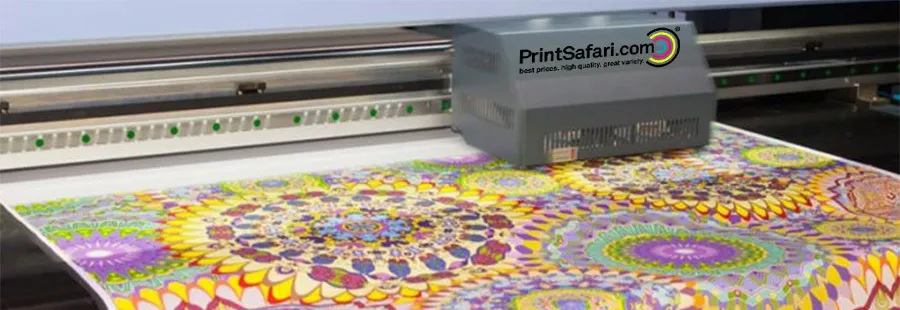
- Digital Printing: Advances in digital printing allow for precise, food-safe inks and coatings that meet regulatory standards while enabling customization and traceability.
These innovations not only enhance safety but also improve transparency and consumer trust. For brands looking to stay ahead, adopting these technologies can be a key differentiator in a competitive market.
Sustainability and Environmental Impact
Environmental considerations are now central to the discussion around food-safe packaging. Consumers are increasingly seeking products that align with their values, and brands are responding by prioritizing sustainability in their packaging choices.
Key strategies include:
- Reducing Material Usage: Lightweighting and right-sizing help minimize waste and lower transportation emissions.
- Switching to Renewable Resources: Using materials sourced from plants or recycled content reduces reliance on fossil fuels.
- Designing for Recyclability: Packaging that is easy to separate and recycle supports a circular economy and reduces landfill burden.
Regulatory Changes and Compliance
Governments and international bodies are continually updating regulations to keep pace with new materials and technologies. Compliance with food safety standards such as FDA, EFSA, and local guidelines is essential for any business involved in food packaging.
Recent regulatory trends include stricter limits on chemicals like BPA, phthalates, and PFAS, as well as requirements for clearer labeling and traceability. Staying informed and proactive about these changes helps companies avoid costly recalls and maintain consumer confidence.
Design and Branding Considerations
While safety and sustainability are paramount, packaging design also plays a crucial role in attracting customers and communicating brand values. Modern consumers expect packaging to be both functional and visually appealing. Trends in design include:
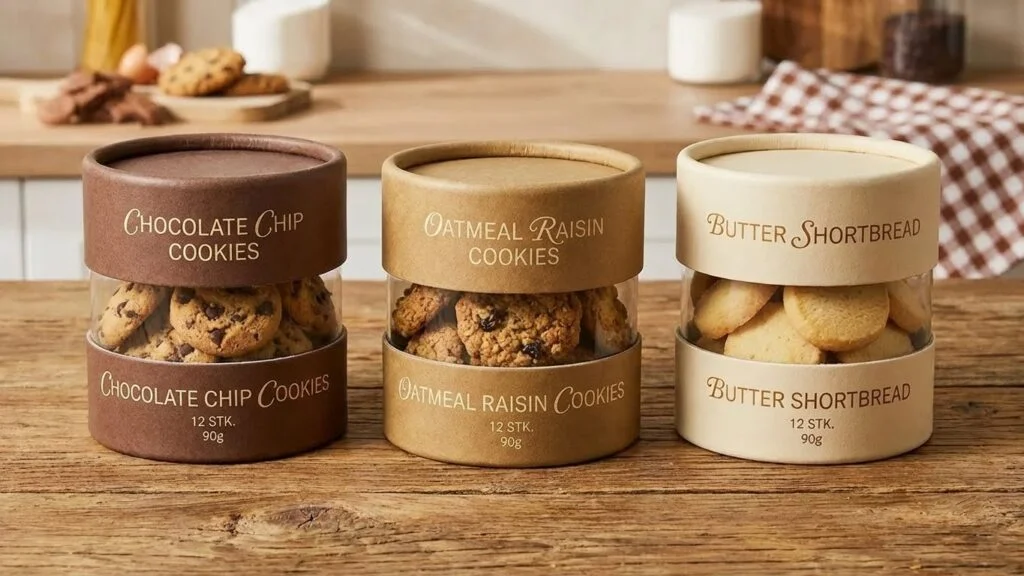
- Minimalist Aesthetics: Clean, simple designs that highlight product quality and transparency.
- Clear Labeling: Easy-to-read information about ingredients, sourcing, and disposal instructions.
- Personalization: Custom graphics and messaging that connect with specific audiences.
Brands that successfully balance these elements can create packaging that stands out on the shelf while meeting the highest standards for safety and sustainability.
Challenges Facing the Industry
Despite the progress, several challenges remain in the adoption of new food-safe packaging trends:
- Cost: Sustainable and innovative materials often come at a premium, making it difficult for smaller businesses to compete.
- Supply Chain Complexity: Sourcing certified safe materials and ensuring consistent quality across global operations can be challenging.
- Consumer Education: Helping consumers understand how to properly dispose of or recycle packaging is essential for realizing environmental benefits.
Addressing these issues requires collaboration across the industry, from material suppliers to retailers and end-users.
Looking Ahead: The Future of Food Packaging
The future of food packaging will likely be shaped by ongoing innovation, regulatory shifts, and evolving consumer expectations. As new materials and technologies emerge, the focus will remain on creating solutions that are safe, sustainable, and effective in protecting food products.
Businesses that invest in research, stay informed about regulatory changes, and prioritize transparency will be well-positioned to thrive in this dynamic environment.
Frequently Asked Questions
What materials are considered safest for food packaging?
Materials such as glass, certain grades of stainless steel, food-grade paperboard, and certified bioplastics are widely regarded as safe for direct food contact. These materials are less likely to leach harmful chemicals and meet stringent regulatory requirements.
How can businesses ensure their packaging meets food safety standards?
Companies should source materials from reputable suppliers, conduct regular testing for contaminants, and stay up-to-date with local and international regulations. Working with third-party certification bodies can also help verify compliance.
Are biodegradable and compostable packaging options always better for the environment?
While these options can reduce landfill waste, their environmental impact depends on proper disposal and local composting infrastructure. It’s important to educate consumers and design packaging that is compatible with existing waste management systems.