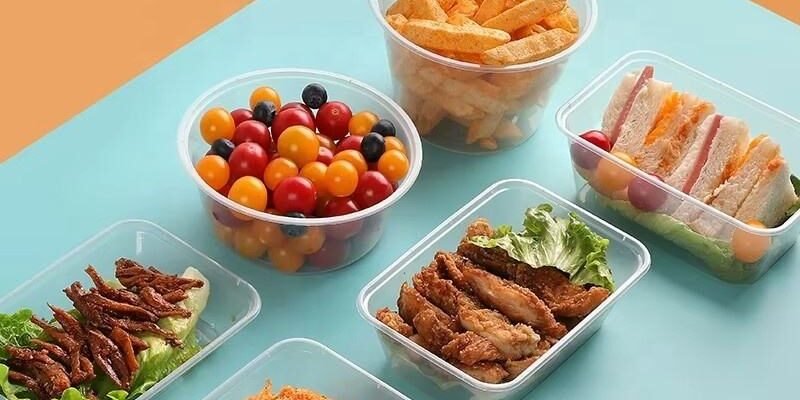
The role of food-safe packaging trays in today’s food industry is more critical than ever. Whether you’re running a restaurant, a catering business, or a food manufacturing operation, choosing the right packaging is essential for maintaining product quality, ensuring consumer safety, and meeting regulatory standards. These trays are designed to prevent contamination, preserve freshness, and support efficient handling throughout the supply chain.
Understanding the materials, certifications, and best practices for using these packaging solutions can help businesses make informed decisions and build customer trust. For a broader overview of packaging options, you might want to explore types of food-safe packaging that are commonly used in modern food businesses.
What Makes a Packaging Tray Food-Safe?
Not all packaging is suitable for direct contact with food. To be considered food-safe, trays must be manufactured from materials that do not leach harmful chemicals, are resistant to moisture and grease, and can withstand the temperatures encountered during storage, transport, and sometimes reheating. Regulatory bodies such as the FDA (U.S. Food and Drug Administration) and EFSA (European Food Safety Authority) set strict guidelines for materials and manufacturing processes.
Food-contact trays are typically made from plastics like PET, PP, or polystyrene, as well as biodegradable materials such as PLA or molded fiber. Each material offers unique benefits and limitations depending on the intended use, whether for hot meals, cold storage, or display purposes.
Key Materials Used in Food-Grade Trays
The choice of material for food-safe packaging trays directly impacts their performance, sustainability, and compliance. Here’s a look at some of the most common options:
- PET (Polyethylene Terephthalate): Known for its clarity and strength, PET is widely used for cold foods, salads, and bakery items. It is recyclable and offers good barrier properties.
- PP (Polypropylene): Resistant to heat and chemicals, PP trays are suitable for microwaveable and hot food applications. They are also lightweight and durable.
- Polystyrene (PS): Often used for disposable trays, PS is cost-effective but less environmentally friendly. It is best for short-term use and cold foods.
- PLA (Polylactic Acid): A compostable bioplastic derived from renewable resources, PLA is ideal for eco-conscious brands. It is best suited for cold foods.
- Molded Fiber: Made from recycled paper or plant fibers, these trays are biodegradable and suitable for both hot and cold foods, though they may require a lining for wet items.
Certifications and Standards for Food-Safe Trays
To ensure consumer safety, packaging trays must meet specific certifications and standards. Look for trays that are labeled as “food-contact safe” and have documentation to prove compliance with regulations such as FDA 21 CFR (in the United States) or EU Regulation 10/2011 (in Europe). These certifications confirm that the materials and manufacturing processes have been tested for migration of substances and overall safety.
In addition to regulatory compliance, some manufacturers pursue third-party certifications like ISO 22000 (food safety management) or BRCGS (Brand Reputation Compliance Global Standards) to demonstrate their commitment to quality and safety.
Benefits of Using Food-Contact Safe Trays
There are several advantages to choosing trays designed for direct food contact:
- Safety: Reduces the risk of contamination and chemical migration, protecting consumers and minimizing liability.
- Freshness: Properly sealed trays help preserve flavor, texture, and nutritional value by preventing exposure to air and moisture.
- Convenience: Many trays are designed for easy stacking, transport, and reheating, streamlining operations for food businesses.
- Brand Image: High-quality, compliant packaging signals professionalism and care, which can enhance customer trust and loyalty.
- Sustainability: With the rise of eco-friendly materials, businesses can choose trays that align with their environmental values.
Applications Across the Food Industry
Food-safe packaging trays are used in a variety of settings, including:
- Restaurants and Takeout: Ensuring meals remain fresh and uncontaminated during delivery or pickup.
- Supermarkets: Displaying and storing ready-to-eat foods, meats, and produce.
- Catering Services: Transporting large quantities of food while maintaining hygiene and presentation.
- Food Manufacturing: Packaging processed foods for retail distribution.
Best Practices for Selecting and Using Food-Grade Trays
When choosing trays for food packaging, consider the following best practices:
- Match the Tray to the Food Type: Hot foods require heat-resistant materials, while cold or fresh items may benefit from clear, moisture-resistant trays.
- Check for Certifications: Always verify that the product meets relevant food safety standards and has appropriate documentation.
- Assess Sustainability: If environmental impact is a priority, consider biodegradable or recyclable options.
- Ensure Proper Sealing: Use compatible lids and sealing methods to maintain freshness and prevent leaks.
- Train Staff: Educate employees on proper handling and storage to avoid cross-contamination.
For a more comprehensive understanding of the principles behind safe packaging, you can read about what is food-safe packaging and its importance in the food industry.
Trends and Innovations in Food Packaging Trays
The packaging industry continues to evolve, with new materials and technologies emerging to address safety, sustainability, and convenience. Recent trends include:
- Compostable and Biodegradable Trays: Growing consumer demand for eco-friendly solutions is driving innovation in plant-based and fiber-based packaging.
- Active Packaging: Some trays now incorporate materials that absorb oxygen or moisture, extending shelf life.
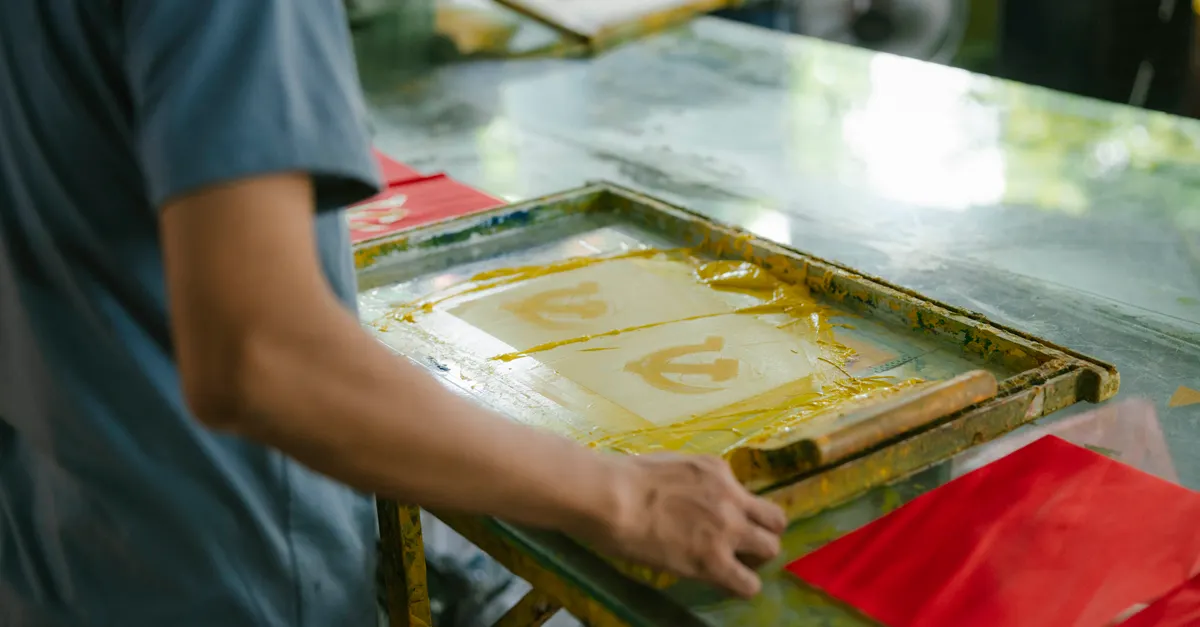
- Custom Printing: Branding and product information can be printed directly on trays, improving traceability and marketing.
- Smart Packaging: Integration of QR codes or sensors to provide real-time information about freshness or origin.
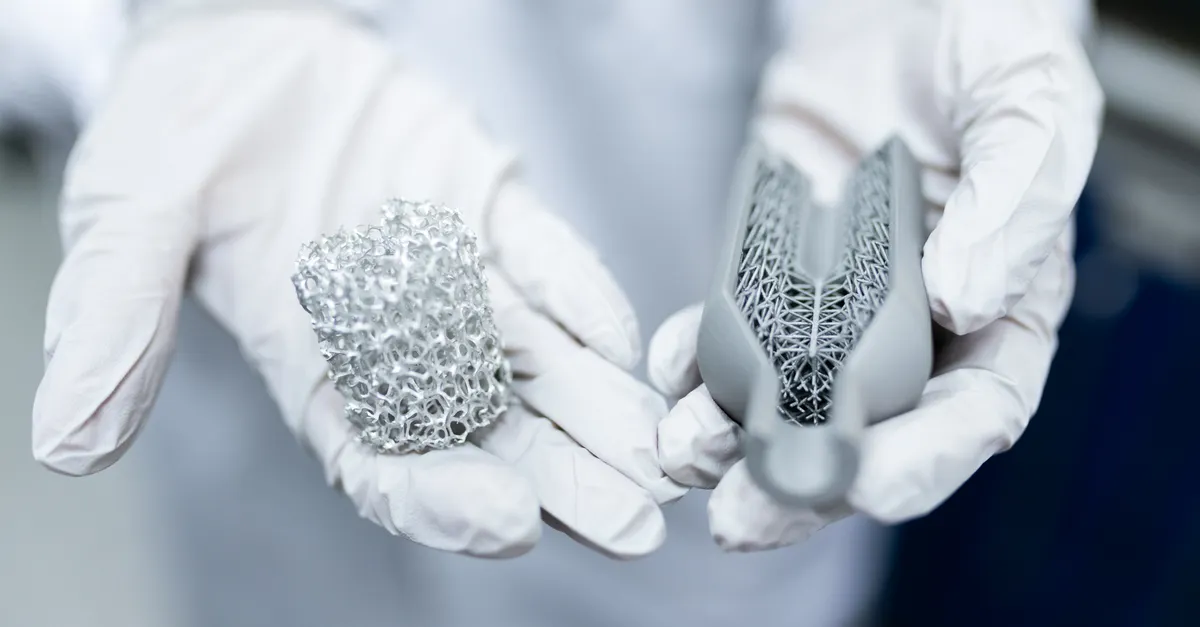
For more details on advanced manufacturing methods, such as micro 3D printing techniques, you can explore how these innovations are shaping the future of packaging.
Common Mistakes to Avoid
Even with the best intentions, businesses can make errors when selecting or using food-contact trays. Some common pitfalls include:
- Using Non-Compliant Materials: Not all plastics or fibers are safe for food contact. Always verify certifications.
- Ignoring Temperature Limits: Some trays may warp or release chemicals if exposed to high heat.
- Improper Storage: Storing trays in unsanitary conditions can lead to contamination before use.
- Overlooking Sustainability Claims: Be cautious of “greenwashing.” Check for genuine certifications when choosing eco-friendly trays.
For a deeper dive into regulatory requirements and best practices, the guide to food-safe packaging regulations and standards provides valuable insights.
FAQ: Food-Contact Packaging Trays
What are the main benefits of using food-grade trays?
Food-grade trays help prevent contamination, preserve freshness, and comply with safety regulations. They also support efficient storage and transport, making them essential for food businesses.
How can I tell if a tray is safe for food contact?
Look for labels or documentation indicating compliance with FDA, EU, or other relevant food safety standards. Certifications and third-party audits provide additional assurance of safety.
Are biodegradable trays as safe as traditional plastic trays?
Biodegradable trays made from materials like PLA or molded fiber can be just as safe, provided they meet food-contact regulations and are used as intended. Always verify certifications and suitability for your specific application.
Can food-safe trays be reused?
Some trays, especially those made from durable plastics like PP, are designed for multiple uses if properly cleaned and sanitized. However, always follow manufacturer guidelines to ensure ongoing safety.