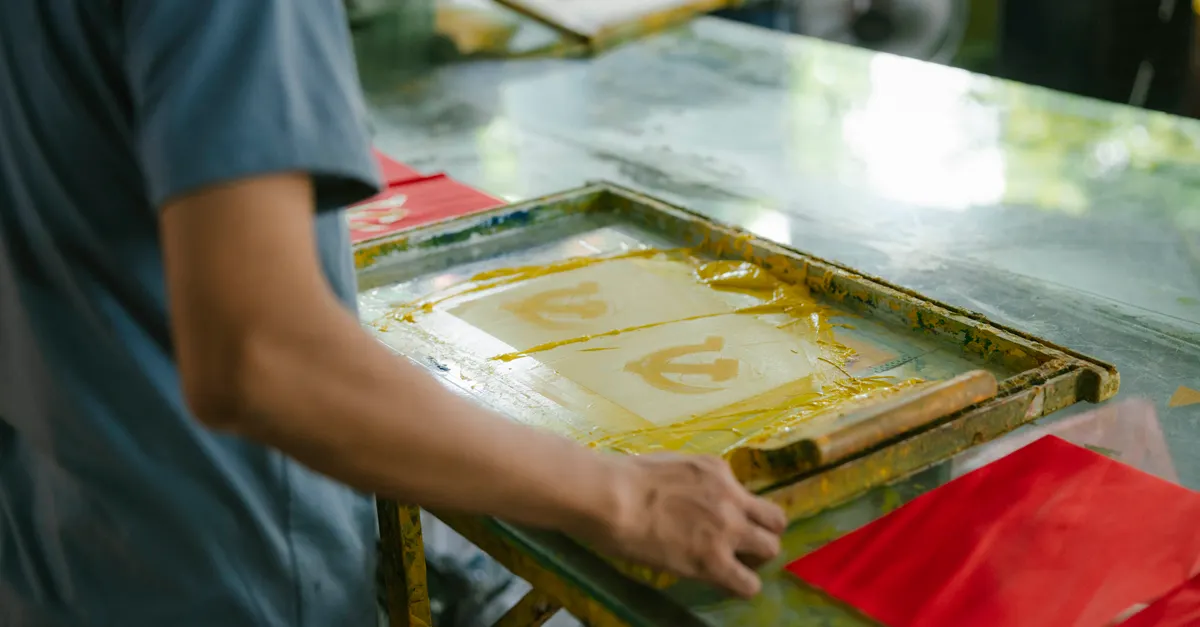
Ensuring the safety of food products during packaging and distribution is a critical concern for food businesses, retailers, and consumers alike. The proper handling of food-safe packaging is not just about compliance with regulations—it directly impacts food quality, shelf life, and consumer health. Understanding and applying food-safe packaging handling guidelines can help prevent contamination, maintain product integrity, and support brand reputation.
Whether you are a manufacturer, distributor, or food service provider, following best practices for packaging management is essential. This article provides a clear, practical overview of the most important steps and considerations for handling food-safe packaging, including regulatory requirements, material selection, storage, and hygiene protocols.
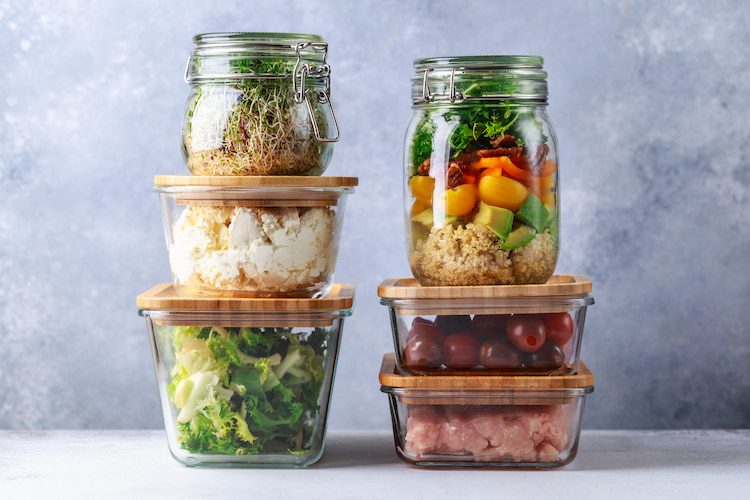
For those seeking more specialized advice, such as how to choose the right packaging for cold storage, our food-safe packaging for refrigerators resource offers in-depth information tailored to refrigerated environments.
Understanding the Importance of Proper Food Packaging Practices
The role of food-safe packaging handling guidelines extends far beyond simply wrapping or boxing food items. Packaging acts as a barrier against physical, chemical, and biological hazards. If not managed correctly, even the safest materials can become sources of contamination. Adhering to established protocols helps ensure that food remains safe from the point of production to the moment it reaches the consumer.
Regulatory bodies such as the FDA set clear standards for food contact materials and packaging processes. Staying updated with these regulations is vital for compliance and consumer safety. For a comprehensive overview of current standards and approved materials, refer to the FDA’s food ingredients and packaging guidelines.
Key Elements of Food-Safe Packaging Handling
Implementing effective protocols involves several interconnected steps. Below are the core elements that should be considered in any food packaging operation:
- Material Selection: Use only certified food-grade materials that are appropriate for the specific food type and storage conditions.
- Storage Conditions: Keep packaging materials in clean, dry, and pest-free environments to avoid contamination before use.
- Hygiene Practices: Ensure that all personnel handling packaging wear appropriate protective gear and follow strict hygiene protocols.
- Handling Procedures: Minimize direct contact with the food-contact surfaces of packaging. Use sanitized tools and equipment whenever possible.
- Traceability: Maintain records of packaging batches and suppliers to enable quick response in case of recalls or quality issues.

Regulatory Compliance and Certification
One of the most important aspects of safe packaging management is compliance with national and international standards. In the United States, the FDA regulates materials that come into contact with food, ensuring they do not transfer harmful substances. Other countries have similar agencies and requirements.
Look for packaging that is clearly labeled as food-grade or certified according to recognized standards. Suppliers should provide documentation verifying compliance. For businesses seeking more details on sourcing, our food-safe packaging distributors guide can help identify reputable sources.
Best Practices for Storage and Handling
Maintaining the integrity of packaging materials is essential for food safety. Here are some practical tips for storage and handling:
- Store packaging off the floor and away from walls to prevent moisture absorption and pest infestation.
- Rotate stock using the first-in, first-out (FIFO) method to minimize the risk of using expired or compromised materials.
- Keep packaging in its original, sealed containers until ready for use.
- Regularly inspect storage areas for signs of contamination, such as dust, pests, or water damage.
- Train staff on the correct procedures for opening, transferring, and disposing of packaging materials.
Hygiene and Cross-Contamination Prevention
The risk of cross-contamination is ever-present in food handling environments. To mitigate this risk, it is crucial to implement strict hygiene controls:
- Require all employees to wash hands thoroughly before handling packaging.
- Use gloves or utensils when touching food-contact surfaces.
- Sanitize work surfaces and equipment before and after use.
- Separate packaging areas from zones where raw or allergenic foods are processed.
- Dispose of damaged or soiled packaging immediately to prevent accidental use.

Choosing the Right Packaging for Your Needs
Not all food packaging is created equal. Different foods require different types of packaging to maintain freshness and safety. Considerations include temperature sensitivity, moisture barriers, and the potential for chemical migration. For a step-by-step approach to selecting appropriate materials, see our food-safe packaging selection guide.
Additionally, businesses should evaluate their packaging suppliers carefully. Working with certified food-safe packaging manufacturers ensures that all materials meet regulatory and quality standards.
Training and Continuous Improvement
Ongoing staff training is essential for maintaining high standards in packaging management. Employees should be familiar with all relevant handling procedures, hygiene requirements, and emergency protocols. Regular audits and reviews can help identify areas for improvement and reinforce a culture of safety.
Incorporating feedback from staff and customers can also lead to better practices and innovation in packaging solutions. Businesses that prioritize continuous improvement are better positioned to adapt to new regulations and market demands.
Frequently Asked Questions
What are the most important steps to prevent contamination during packaging?
The most effective measures include using only certified food-grade materials, maintaining clean storage areas, enforcing strict hygiene protocols for staff, and minimizing direct contact with food-contact surfaces. Regular inspections and proper training are also key to preventing contamination.
How do I know if my packaging materials are compliant with food safety regulations?
Always request documentation from suppliers that verifies compliance with relevant standards, such as FDA certification in the United States. Packaging should be labeled as food-grade, and suppliers should be able to provide test results or certificates upon request.
Can I reuse food packaging materials?
Generally, single-use packaging should not be reused, as it may not retain its protective properties and could harbor contaminants. If considering reusable packaging, ensure it is designed for multiple uses, can be thoroughly sanitized, and meets all food safety requirements.
Where can I find more information about safe packaging practices?
For authoritative information, consult resources such as the FDA’s food packaging guidelines or industry-specific guides. Internal company protocols and supplier documentation are also valuable sources.