As the demand for customized and limited-edition textiles grows, many businesses and independent designers are turning to digital pigment printing for their small batch needs. This technology offers a flexible, cost-effective alternative to traditional methods, especially when producing short runs or testing new designs. Understanding the benefits of digital pigment printing for small runs can help you make informed choices for your next project, whether you’re launching a boutique collection or creating samples for client approval.
If you’re also interested in optimizing your designs for different apparel sizes, you may find these tips for designing for different garment sizes helpful as you plan your print projects.
Understanding Digital Pigment Printing Technology
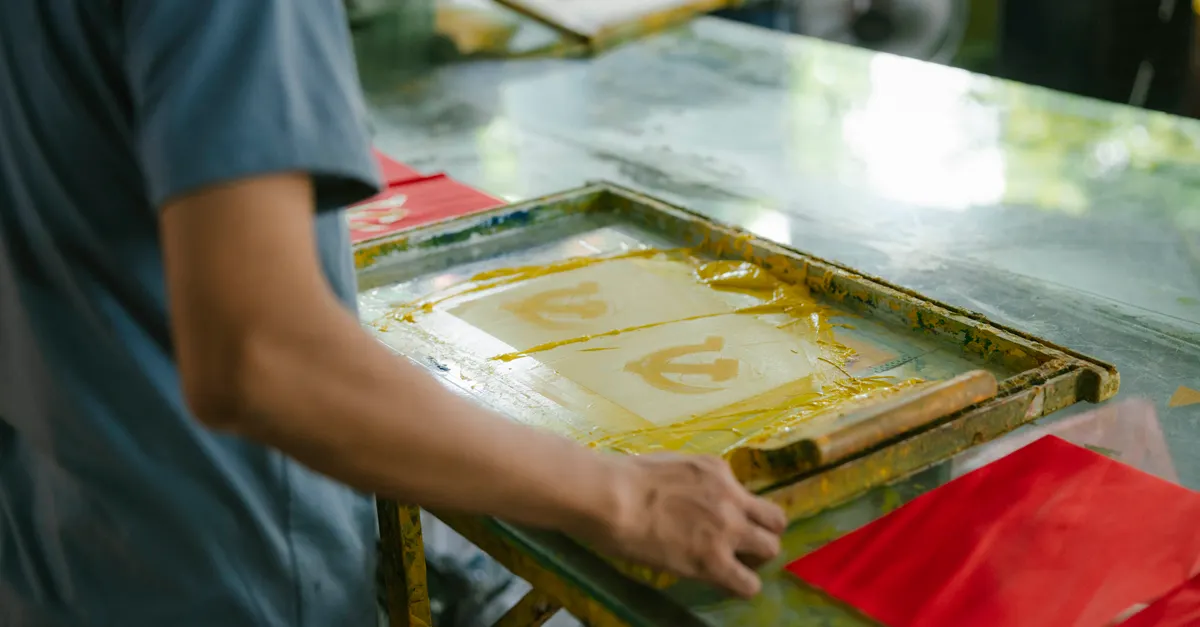
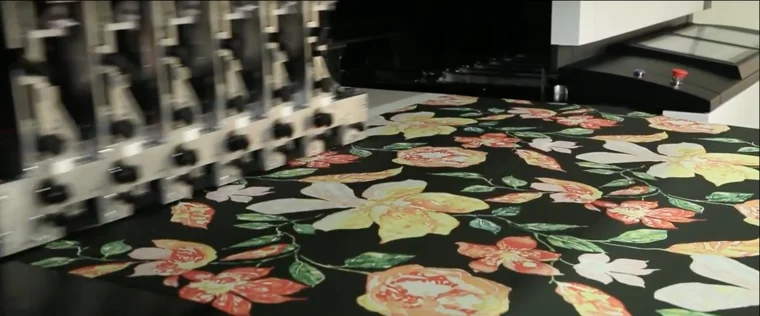
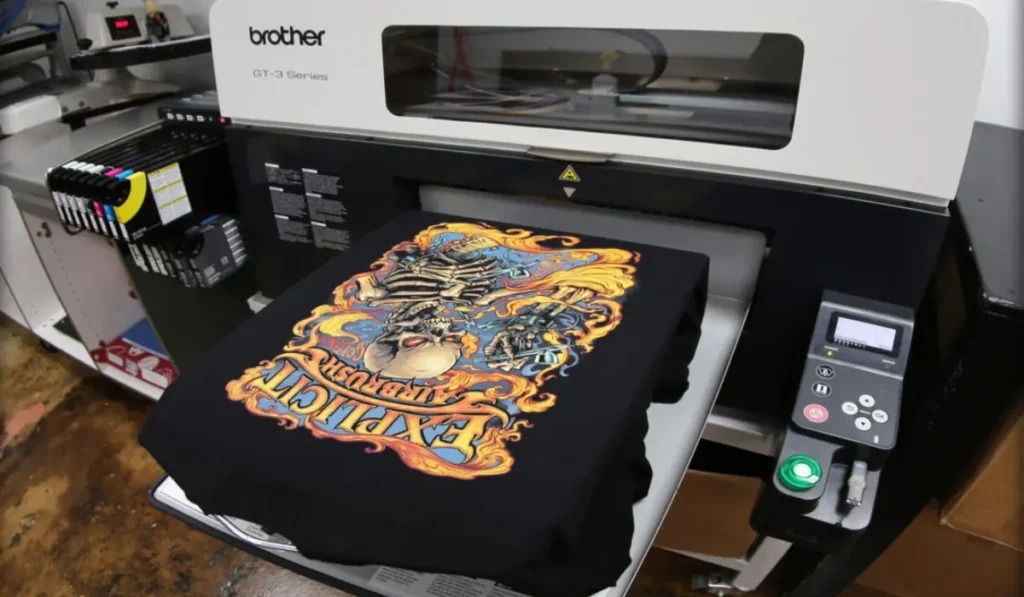
Digital pigment printing is a process where pigment-based inks are applied directly onto textiles using inkjet technology. Unlike traditional screen printing, which requires separate screens and setup for each color and design, digital systems allow for direct-to-fabric printing from a digital file. This approach is especially advantageous for short production runs and sampling, as it eliminates the need for costly setup and reduces lead times.
The process is compatible with a wide range of fabrics, including cotton, linen, and blends. Pigment inks sit on the surface of the fabric and are fixed with heat, resulting in vibrant colors and good wash durability. For a more in-depth explanation of how digital textile printing works, you can refer to this comprehensive overview of digital textile printing.
Key Advantages for Limited-Edition and Sample Production
When it comes to producing small batches, the benefits of digital pigment printing for small runs become especially clear. Here are some of the main reasons why designers and manufacturers are choosing this method:
- Minimal Setup Costs: Digital workflows eliminate the need for screens, plates, or lengthy setup processes. This means you can print a single meter or a few dozen garments without incurring high upfront expenses.
- Fast Turnaround: With no physical screens to prepare, artwork can be sent directly to the printer. This dramatically reduces lead times, making it possible to respond quickly to market trends or client requests.
- Unlimited Color and Design Flexibility: Digital pigment printing supports full-color, high-resolution images and intricate patterns. You can experiment with gradients, photographic elements, and complex motifs without additional cost.
- Eco-Friendly Process: Pigment inks typically require less water and fewer chemicals than traditional dye-based systems. This makes the process more sustainable, especially for short runs where waste can be a concern.
- On-Demand Production: Print only what you need, when you need it. This reduces inventory risk and supports a more agile, responsive business model.
Comparing Digital Pigment Printing to Traditional Methods
Traditional screen printing and rotary printing have long been the standard for mass production in fashion. However, these methods are less suited to short runs due to setup costs and minimum order requirements. Digital pigment printing bridges this gap by offering:
- Lower Minimums: Print as few as one or two pieces without penalty.
- Reduced Waste: Only the required amount of fabric and ink is used, minimizing leftover stock and environmental impact.
- Rapid Prototyping: Designers can quickly create and test new ideas, making it easier to refine collections before committing to larger production.
For those interested in how traditional rotary screen printing compares in terms of scale and efficiency, you might explore what is rotary screen printing for mass production for a deeper dive into large-scale processes.
Design Versatility and Customization Possibilities
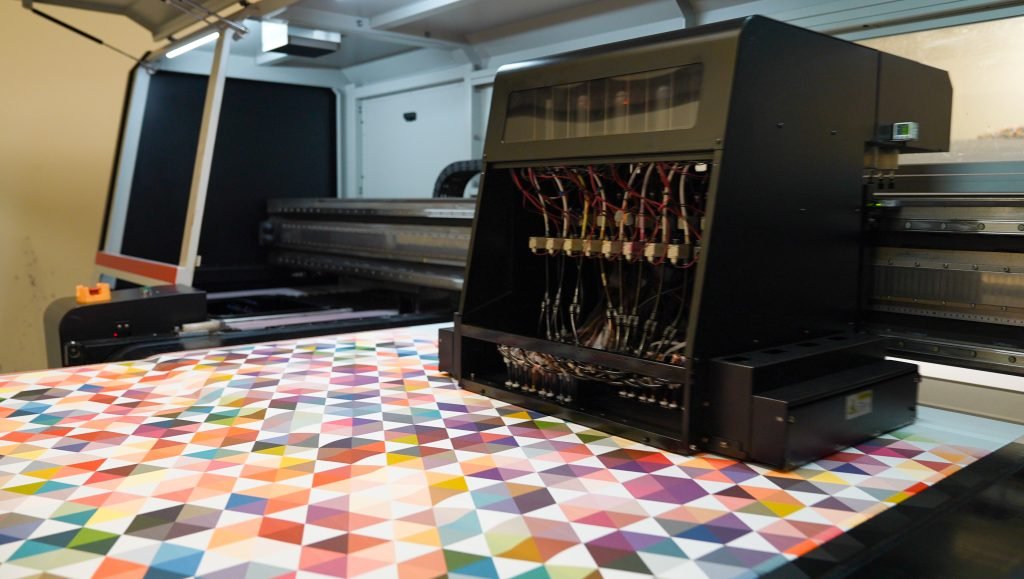
One of the most compelling advantages of digital pigment printing for small production runs is the freedom it offers in design. Since each print is driven by a digital file, you can easily:
- Adjust colors or motifs between runs without additional cost.
- Personalize items for different customers or events.
- Test multiple design variations in a single batch.
This flexibility is ideal for brands offering made-to-order products, limited editions, or rapid seasonal updates. It also supports creative experimentation, allowing designers to push boundaries without the risk of costly mistakes.
Environmental Impact and Sustainability Benefits
Sustainability is increasingly important in the textile industry. Digital pigment printing stands out for its reduced environmental footprint, particularly for small-scale projects:
- Lower Water Usage: Unlike reactive or acid dye processes, pigment inks do not require extensive washing or steaming. This conserves water and reduces effluent.
- Less Chemical Waste: The process uses fewer auxiliary chemicals, making it safer for both workers and the environment.
- Efficient Resource Use: Printing only what is needed minimizes overproduction and textile waste.
These factors make digital pigment printing a responsible choice for brands and creators who prioritize eco-friendly practices, especially when working with limited quantities.
Common Applications for Small Batch Printing
The versatility and efficiency of digital pigment technology make it suitable for a wide range of applications, including:
- Custom apparel and accessories
- Interior textiles such as cushions, curtains, and wall hangings
- Limited-edition art prints and home décor
- Prototyping and sample development for fashion collections
- Event merchandise and personalized gifts
For those developing new fabric designs, understanding the process of creating and approving samples is crucial. Learn more about how to create a strike-off for fabric approval to streamline your workflow.
Challenges and Considerations
While the benefits of digital pigment printing for small runs are significant, there are a few considerations to keep in mind:
- Hand Feel: Pigment inks can sometimes leave a slightly stiffer feel on the fabric compared to dye-based methods, especially on heavier applications.
- Color Vibrancy: While modern pigment inks are much improved, certain deep or very bright shades may be less intense than those achieved with reactive dyes.
- Fabric Compatibility: Not all textiles respond equally well to pigment inks. Testing is recommended for new materials or blends.
Despite these factors, advances in ink chemistry and printing technology continue to expand the possibilities for digital pigment applications in short-run production.
Frequently Asked Questions
Is digital pigment printing suitable for all types of fabrics?
Digital pigment printing works best on natural fibers like cotton, linen, and some blends. While it can be used on synthetics, results may vary, so testing is recommended for new fabrics.
How does the cost compare to traditional screen printing for small orders?
For small quantities, digital pigment printing is usually more cost-effective because it eliminates setup fees and minimum order requirements. The per-unit cost may be higher for very large runs, but for short batches, it offers significant savings.
What is the wash durability of digitally printed pigment designs?
When properly cured, pigment prints offer good wash fastness, especially on cotton and other natural fibers. Following recommended care instructions will help maintain color and fabric quality over time.