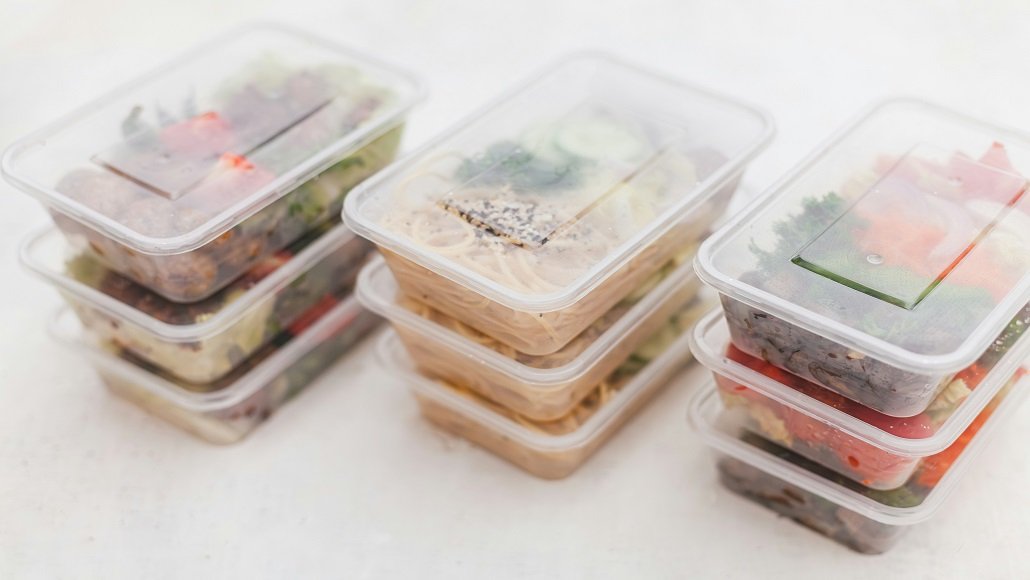
Managing food-safe packaging for allergens is a critical concern for food manufacturers, restaurants, and consumers alike. With the rise in food allergies globally, ensuring that packaging prevents cross-contact and provides clear labeling has become essential for both safety and compliance. This article explores the essentials of allergen-safe packaging, regulatory requirements, and practical steps for businesses to protect sensitive consumers.
Understanding the nuances of packaging for allergen control not only helps prevent accidental exposure but also builds trust with customers who rely on transparent information. For those interested in broader regulatory perspectives, our guide on food-safe packaging for export offers additional insights into international standards.
Why Allergen-Safe Packaging Matters
Food allergies affect millions of people worldwide, with reactions ranging from mild discomfort to life-threatening anaphylaxis. For these individuals, even trace amounts of allergens can be dangerous. Food-safe packaging for allergens serves as a frontline defense by minimizing the risk of cross-contact during processing, storage, and distribution.
Packaging that is designed and handled with allergen control in mind helps ensure that foods remain uncontaminated. This is especially important for products labeled as “free from” specific allergens, such as nuts, dairy, or gluten. The right packaging also supports clear labeling, making it easier for consumers to identify safe choices quickly.

Key Elements of Allergen Control in Packaging
Effective allergen management in packaging involves several critical components. Each step in the process, from material selection to labeling, plays a role in protecting consumers.
- Material Selection: Choose packaging materials that do not contain or absorb allergens. For example, avoid adhesives or coatings that may include allergenic proteins.
- Dedicated Equipment: Use separate machinery and tools for allergen-free products to prevent cross-contact. Clean and sanitize equipment thoroughly between production runs.
- Proper Sealing: Ensure that packages are sealed tightly to prevent contamination during storage and transport.
- Clear Labeling: Clearly indicate the presence or absence of allergens on the packaging. This includes both ingredient lists and precautionary statements.
- Staff Training: Educate employees on the importance of allergen control and proper handling procedures.
Regulatory Requirements for Food Packaging and Allergens
Regulations for allergen management in packaging vary by country but share common goals: protecting consumers and ensuring transparency. In the United States, the Food and Drug Administration (FDA) enforces rules under the Food Allergen Labeling and Consumer Protection Act (FALCPA). This act mandates that the eight major food allergens be clearly identified on packaging.
For more details on ingredient and packaging regulations, the FDA’s food ingredients and packaging resources provide comprehensive guidance.
Other countries have their own standards, such as the European Union’s Food Information to Consumers (FIC) regulation and Canada’s allergen labeling requirements. For those exporting products, understanding international rules is crucial. Our article on Canada food-safe packaging regulations offers a closer look at Canadian compliance.
Packaging Types and Their Role in Allergen Safety
The choice of packaging type can significantly impact allergen control. Here are some common options and their benefits:
- Rigid Containers: Plastic or glass containers provide a strong barrier against contamination and are easy to clean.
- Pouches and Bags: Flexible packaging is lightweight and cost-effective, but must be sealed properly to prevent leaks.
- Paper-Based Packaging: Often used for dry foods, paper can be lined with food-safe coatings to enhance barrier properties.
- Compostable and Biodegradable Options: These are increasingly popular for sustainability but must still meet allergen safety standards. For more on eco-friendly solutions, see our guide on composting food packaging.

Best Practices for Preventing Allergen Cross-Contact
Preventing cross-contact is a shared responsibility between manufacturers, packagers, and retailers. Here are practical steps to enhance safety:
- Segregate Allergen-Free Products: Store and process allergen-free foods separately from those containing allergens.
- Implement Color Coding: Use color-coded packaging or labels to distinguish allergen-free items.
- Regular Audits: Conduct routine checks of packaging lines and storage areas to ensure compliance.
- Supplier Verification: Work with trusted suppliers who follow strict allergen control protocols.
- Consumer Communication: Provide clear, accessible information about allergen management on packaging and company websites.
For businesses handling particularly sensitive products, our resource on food-safe packaging for sensitive food offers additional strategies for enhanced protection.
Labeling and Consumer Transparency
Accurate and visible labeling is a cornerstone of allergen-safe packaging. Consumers rely on this information to make informed choices, especially when shopping for themselves or family members with allergies.
- Highlight Allergen Information: Use bold text or icons to draw attention to allergen statements.
- Include Precautionary Warnings: Phrases like “may contain traces of…” help alert consumers to potential risks.
- Multilingual Labels: In diverse markets, provide allergen information in multiple languages to reach all consumers.
- QR Codes and Digital Access: Some brands offer scannable codes that link to detailed ingredient and allergen information online.
Frequently Asked Questions
What are the most common allergens that must be declared on packaging?
The most frequently declared allergens include peanuts, tree nuts, milk, eggs, wheat, soy, fish, and shellfish. These are often referred to as the “major allergens” and are required by law to be clearly listed on food packaging in many countries.
How can manufacturers ensure packaging is free from allergen contamination?
Manufacturers can reduce the risk by using dedicated equipment, thoroughly cleaning production lines, sourcing allergen-free materials, and training staff in proper handling procedures. Regular audits and supplier checks also help maintain high standards.
Is compostable packaging safe for allergen-sensitive foods?
Compostable packaging can be safe for allergen-sensitive products if it meets food safety standards and is produced in facilities that prevent cross-contact. Always verify that compostable materials are certified and suitable for the intended use.
Where can I find more information about food packaging regulations?
For detailed regulatory guidance, visit the FDA’s food ingredients and packaging page or consult local food safety authorities for country-specific requirements.