The textile industry faces increasing pressure to minimize environmental impact, and one of the most significant challenges is how to reduce waste in the fabric printing process. For brands, streamlining production not only helps the planet but also improves efficiency and profitability. By adopting smarter practices and technologies, companies can cut down on material, water, and chemical waste while maintaining high-quality results.
This guide explores practical strategies for minimizing waste during textile printing, from process optimization to digital innovation. Whether your brand is just starting to address sustainability or looking to refine existing workflows, understanding these methods can lead to measurable benefits. For those interested in how different printing techniques affect fabric feel, you may also want to learn about what is soft hand feel in garment printing and how to achieve it.
Key Sources of Waste in Textile Printing
Before implementing solutions, it’s important to identify where waste typically occurs. In traditional and digital fabric printing, the main sources include:
- Excess fabric due to over-ordering or inefficient layout planning
- Ink and dye waste from outdated or poorly calibrated equipment
- Water usage during washing and rinsing steps
- Chemical runoff from pre-treatment and post-treatment processes
- Energy consumption from heating, drying, and curing
- Defective prints leading to rework or discarded materials
By targeting these areas, brands can make meaningful progress in reducing their environmental footprint.
Adopting Digital Printing for Waste Reduction
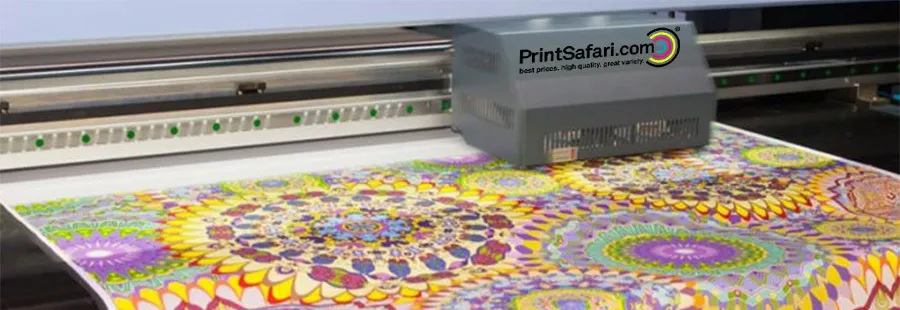
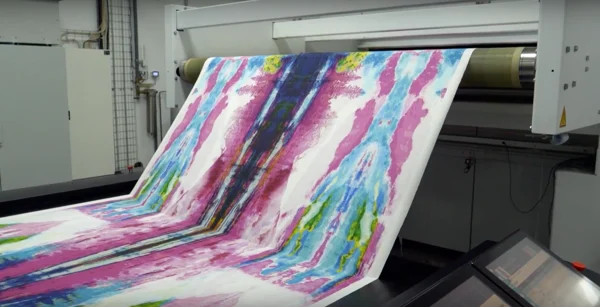
One of the most effective ways to cut waste is by transitioning from analog to digital printing technologies. Digital methods use only the exact amount of ink required, minimize setup waste, and enable on-demand production. This approach also allows for shorter runs and rapid prototyping, which reduces the risk of overproduction.
For a deeper understanding of digital fabric printing and its advantages, consider reading this comprehensive overview of digital fabric printing.
Benefits of Digital Approaches
- Reduced ink waste due to precise application
- Lower water consumption compared to traditional dyeing
- Minimal setup materials (no screens or plates required)
- Flexible batch sizes to match demand
These benefits make digital printing a strong choice for brands aiming to minimize their environmental impact while maintaining design flexibility.
Optimizing Pre-Production and Workflow
Careful planning before printing begins can significantly reduce waste. Brands should focus on:
- Accurate forecasting to avoid over-ordering fabric and supplies
- Efficient nesting of patterns to maximize fabric utilization
- Color management systems to prevent reprints due to color mismatches
- Regular equipment maintenance to ensure consistent quality and reduce misprints
Implementing these practices helps ensure that every meter of fabric and drop of ink is used effectively.
Eco-Friendly Inks and Chemicals
The choice of inks and chemicals plays a major role in sustainability. Water-based and biodegradable inks are less harmful to the environment and often require less water for cleanup. Brands should also look for certifications such as OEKO-TEX or GOTS to ensure their materials meet recognized environmental standards.
Additionally, using pre-treatment and post-treatment chemicals in the correct dosage prevents excess runoff and reduces the need for repeated washing.
Reducing Water and Energy Consumption
Water is a critical resource in textile printing, especially in traditional processes. Brands can reduce usage by:
- Switching to digital printing, which uses less water overall
- Recycling rinse water where possible
- Investing in closed-loop water systems
- Optimizing washing cycles to avoid unnecessary rinsing
Energy savings can be achieved by upgrading to energy-efficient dryers, using heat recovery systems, and scheduling production to minimize idle times.
Quality Control and Continuous Improvement
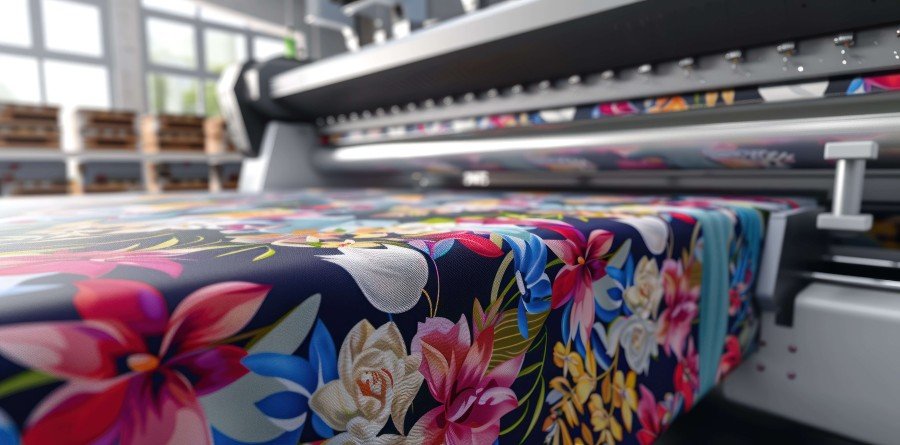
Implementing robust quality control measures is essential for minimizing defects and rework. This includes:
- Regular calibration of printers and color profiles
- Employee training on best practices and troubleshooting
- Data tracking to identify recurring issues and address them proactively
Continuous improvement programs, such as Lean or Six Sigma, can help brands systematically identify and eliminate sources of waste throughout the printing process.
Leveraging Micro-Factory Models
Decentralized production models, such as micro-factories, offer a promising way to reduce waste by enabling on-demand manufacturing closer to the point of sale. This approach minimizes transportation emissions, reduces inventory, and allows for rapid response to market trends. For more on this topic, see the benefits of micro-factory models for fashion printing.
Best Practices for Brands Committed to Sustainability
To achieve lasting results, brands should integrate sustainability into their core business strategy. Key steps include:
- Setting measurable waste reduction goals
- Collaborating with suppliers who share sustainability values
- Educating customers about eco-friendly printing choices
- Regularly reviewing and updating production practices
By making sustainability a priority, brands can not only reduce waste but also strengthen their reputation and appeal to environmentally conscious consumers.
FAQ: Reducing Waste in Textile Printing
What are the most effective ways to minimize ink and chemical waste?
The most effective strategies include switching to digital printing, using water-based or biodegradable inks, and implementing precise dosing systems. Regular equipment maintenance and color management also help prevent excess usage and reprints.
How can brands reduce fabric waste during the printing process?
Brands can minimize fabric waste by accurately forecasting demand, optimizing pattern layouts, and using digital printing for small or custom runs. Efficient workflow planning and quality control further reduce the risk of defects and discarded material.
Is digital printing always more sustainable than traditional methods?
Digital printing typically uses less water, ink, and energy, making it more sustainable in many cases. However, the overall impact depends on factors such as ink choice, equipment efficiency, and production scale. Brands should evaluate their specific needs and processes to determine the best approach.