Ensuring that baked treats reach customers fresh, safe, and visually appealing is a top priority for bakeries, home bakers, and food businesses. The right food-safe packaging for baked goods not only preserves quality but also meets health regulations and enhances presentation. With so many options available, understanding what makes packaging suitable for edible products is crucial for anyone in the baking industry.
This article will break down the essentials of selecting safe, compliant, and effective packaging for everything from cookies to cakes. Along the way, you’ll find practical tips, regulatory insights, and a closer look at the most popular materials and formats. For those interested in related production topics, you may also want to explore what is soft hand feel in garment printing for insights into material handling and finishing.
Understanding Food-Safe Packaging Standards
Not all containers and wraps are created equal when it comes to direct contact with food. Food-safe packaging for baked goods must meet strict standards to prevent contamination, chemical migration, and spoilage. In the United States, the Food and Drug Administration (FDA) sets guidelines for materials that can safely touch food. These regulations cover everything from plastics and papers to inks and adhesives.
Using packaging that is not certified for food contact can lead to health risks, product recalls, and legal issues. It’s important to verify that your chosen packaging is labeled as food-grade or food-safe, and to source from reputable suppliers who can provide compliance documentation. For more details on regulatory requirements, the FDA’s food ingredients and packaging resource offers comprehensive information.
Popular Types of Food-Safe Packaging for Bakeries
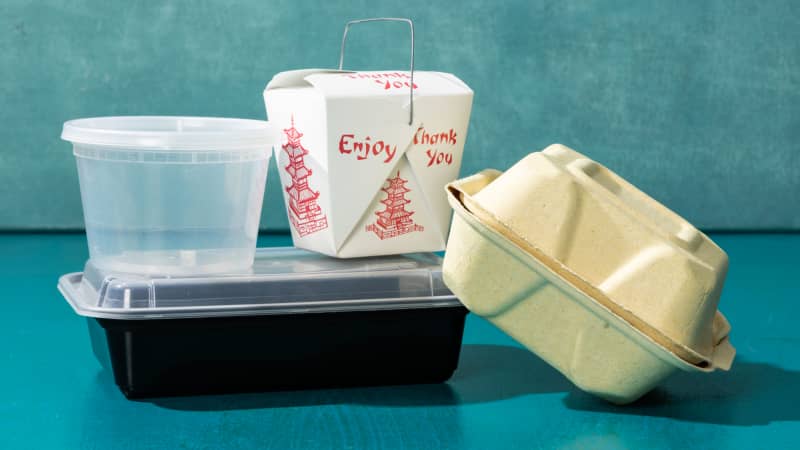
The variety of food-safe packaging for baked goods continues to expand, offering solutions for every type of product and business model. Here are some of the most common and effective options:
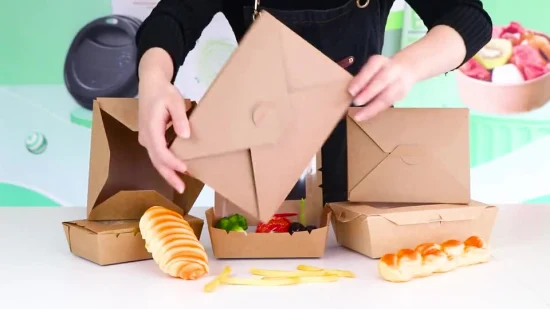
- Bakery Boxes: Made from food-grade paperboard, these are ideal for cakes, cupcakes, and pastries. They are often lined to prevent grease stains and can be customized with branding.
- Plastic Clamshells: Transparent and sturdy, these containers are great for cookies, brownies, and muffins. Look for BPA-free and recyclable plastics to ensure safety and sustainability.
- Cellophane and Poly Bags: Used for wrapping individual items or small batches, these bags must be food-grade and can be heat-sealed for freshness.
- Waxed and Parchment Papers: Essential for wrapping sticky or oily items, these papers prevent sticking and help maintain moisture.
- Compostable and Biodegradable Options: Eco-conscious bakeries are increasingly turning to plant-based plastics, bagasse, and other sustainable materials that are certified food-safe.
Key Features to Look For in Safe Packaging Solutions
When selecting packaging for your bakery products, there are several important factors to consider beyond just appearance:
- Material Safety: Ensure all materials are certified for direct food contact and free from harmful chemicals.
- Freshness Preservation: Good packaging should protect against moisture, air, and contaminants, keeping baked goods fresh for as long as possible.
- Durability: The packaging must withstand handling, transport, and stacking without crushing or leaking.
- Transparency: Clear packaging allows customers to see the product, which can boost sales and trust.
- Eco-Friendliness: Many customers now prefer recyclable, compostable, or biodegradable packaging options.
- Customizability: Branding opportunities, such as printed logos or labels, help reinforce your business identity.
Benefits of Using Proper Food-Safe Packaging for Baked Goods
Adopting the right packaging practices brings several advantages to both businesses and consumers:
- Compliance with Health Regulations: Avoid costly fines and recalls by meeting all legal requirements for food contact materials.
- Enhanced Product Appeal: Attractive, well-designed packaging can make baked goods more enticing and support premium pricing.
- Extended Shelf Life: Proper sealing and moisture barriers keep products fresher, reducing waste and increasing customer satisfaction.
- Improved Hygiene: Safe packaging minimizes the risk of contamination during storage and transport.
- Positive Brand Perception: Sustainable and high-quality packaging reflects well on your business and can attract eco-conscious customers.

Best Practices for Storing and Transporting Baked Goods
Even with the safest packaging, how you handle and store your products can impact quality and safety. Here are some best practices:
- Cool Before Packing: Always let baked goods cool completely before sealing to prevent condensation and mold growth.
- Use Appropriate Sizes: Choose containers that fit products snugly to prevent movement and breakage.
- Label Clearly: Include product names, ingredients, and expiration dates for transparency and allergen safety.
- Store in Clean, Dry Areas: Keep packaged goods away from direct sunlight, heat, and humidity.
- Monitor Inventory: Rotate stock and check for damaged packaging to maintain freshness and safety.
Trends and Innovations in Food-Safe Packaging for Bakeries
The packaging industry is constantly evolving to meet new demands and regulations. Recent trends include:
- Smart Packaging: Some solutions now include freshness indicators or QR codes for traceability.
- Plant-Based Materials: Innovations in compostable plastics and papers are reducing reliance on petroleum-based products.
- Minimalist Designs: Simple, clear packaging with minimal printing appeals to modern consumers and reduces waste.
- Reusable Containers: Some bakeries offer returnable packaging to cut down on single-use waste.
Staying updated on these trends can help your business stand out and meet customer expectations for both safety and sustainability.
Frequently Asked Questions
What materials are considered food-safe for packaging baked goods?
Materials such as food-grade paperboard, BPA-free plastics, certified cellophane, waxed or parchment paper, and certain compostable bioplastics are widely recognized as safe for direct contact with food. Always check for food-safe certifications and supplier documentation.
How can I tell if my packaging meets food safety standards?
Look for packaging labeled as food-grade or food-safe, and request compliance certificates from your supplier. In the U.S., packaging should meet FDA requirements for food contact. For more information, consult the FDA’s food packaging guidelines.
Are eco-friendly packaging options safe for baked goods?
Yes, many compostable and biodegradable packaging materials are certified for food contact. However, always verify that these options are specifically labeled as food-safe and meet relevant health standards.