In the fast-paced world of apparel design, rapid prototyping and sample production are essential for staying ahead of trends and meeting tight deadlines. Laser printing has emerged as a transformative technology for fashion professionals, offering unique advantages over traditional methods. Whether you’re a designer, manufacturer, or entrepreneur, understanding the benefits of laser printing for fashion prototyping can help you streamline workflows, reduce costs, and achieve higher-quality results.
As the industry shifts toward digital solutions, laser-based printing stands out for its precision, speed, and versatility. Before diving deeper, it’s worth noting that other printing techniques—such as sublimation and direct-to-film—also play important roles in garment decoration. For a comparison of these methods, see our guide to sublimation vs direct to film printing.
How Laser Printing Enhances Fashion Sample Development
The adoption of laser printing in fashion prototyping has revolutionized how designers and manufacturers approach sample creation. Unlike screen printing or hand painting, laser-based processes deliver consistent, high-resolution results with minimal setup time. This makes it possible to iterate on designs quickly and efficiently.
One of the key advantages is the ability to produce detailed graphics and fine patterns that would be challenging with analog methods. Laser printers can handle intricate motifs, gradients, and photographic images, enabling designers to experiment freely and visualize their concepts with remarkable accuracy.
Speed and Flexibility in Apparel Prototyping
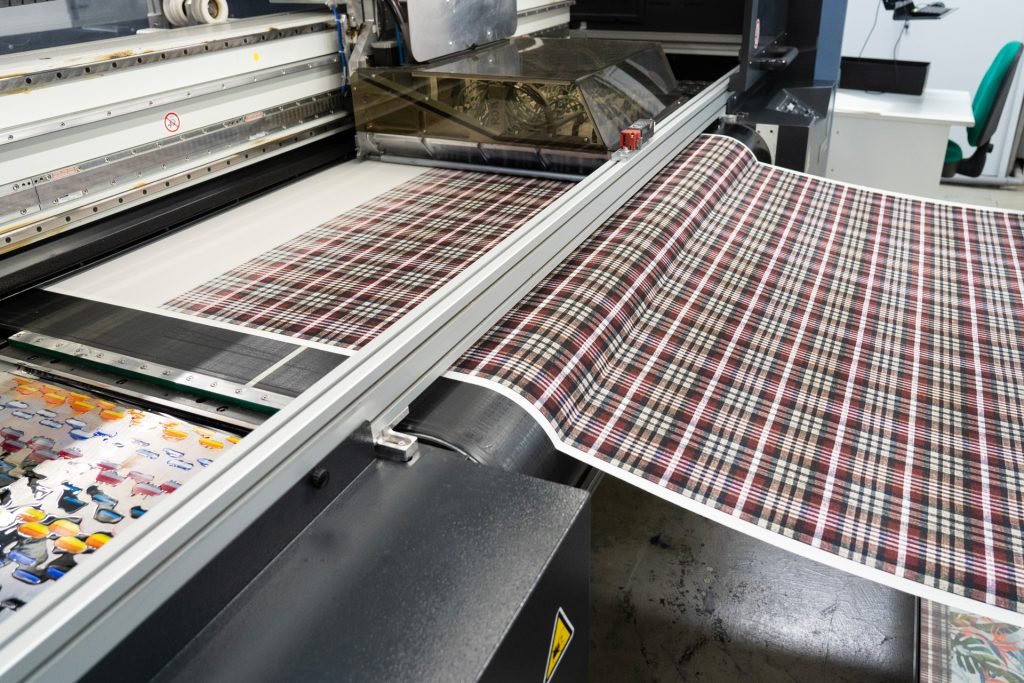
Time-to-market is a critical factor in the fashion industry. With laser printing for apparel samples, turnaround times are significantly reduced. Digital files can be sent directly to the printer, eliminating the need for screens, stencils, or manual color separations. This not only accelerates the sampling process but also allows for last-minute changes without incurring extra costs.
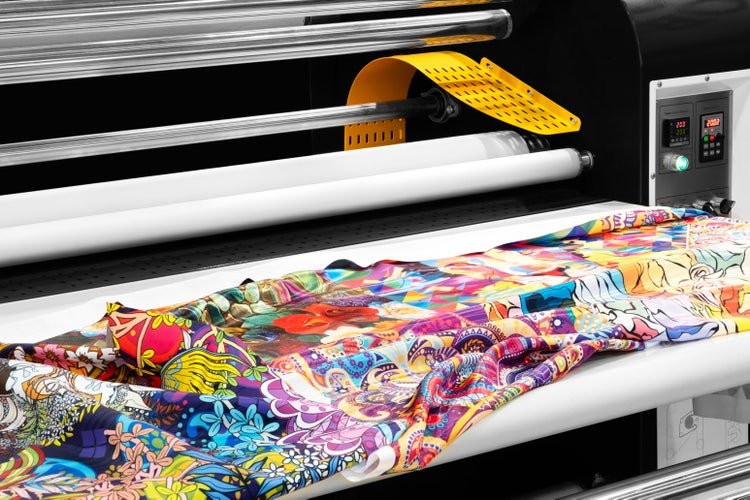
The flexibility of laser printing extends to a wide range of fabrics and materials. Whether working with cotton, polyester, silk, or blends, laser technology adapts to different substrates, making it a versatile choice for both ready-to-wear and haute couture samples. For tips on working with delicate textiles, read our article on how to print on silk without damaging the fibers.
Cost Efficiency and Waste Reduction
Traditional sampling methods often involve high setup costs and material waste, especially when producing small runs or one-off prototypes. Laser printing for fashion prototyping minimizes these expenses by using digital workflows and on-demand production. There is no need for large minimum orders, and designers can print exactly what they need—reducing both inventory and environmental impact.
The ability to test multiple colorways, placements, and graphics without additional tooling makes laser printing an economical solution for brands of all sizes. It also supports sustainable practices by lowering resource consumption and enabling more accurate forecasting before full-scale manufacturing.
Precision and Design Freedom
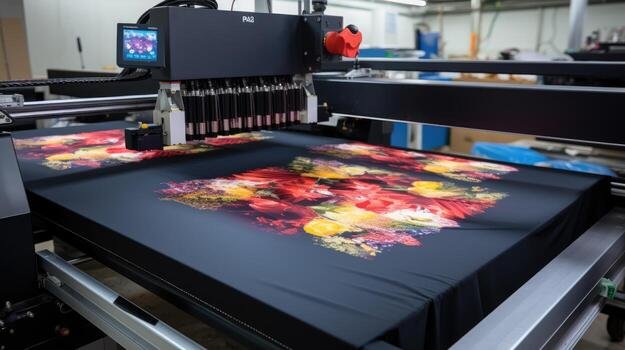
One of the standout advantages of laser printing in sample production is its precision. The technology supports high-resolution output, allowing for crisp lines, sharp details, and vibrant colors. This level of accuracy is especially valuable for presenting samples to clients, buyers, or stakeholders who expect to see a close representation of the final product.
Design freedom is another major benefit. With laser printing, there are virtually no restrictions on the complexity or scale of graphics. Designers can experiment with overlays, textures, and multi-layered effects, pushing creative boundaries without being limited by traditional printing constraints.
Supporting Innovation in Textile Printing
As fashion brands seek to innovate, digital technologies like laser printing play a pivotal role. The process is compatible with other digital textile printing methods, enabling hybrid approaches and new creative possibilities. For a deeper understanding of digital textile processes, see this overview of digital textile printing.
Integrating laser printing into the prototyping stage helps brands respond quickly to trends, test new ideas, and reduce risk before investing in mass production. It also supports customization and personalization, which are increasingly important in today’s market.
Comparing Laser Printing with Other Methods
While laser technology offers many advantages, it’s helpful to compare it with other popular techniques. For example, screen printing is ideal for large runs and bold graphics but requires significant setup and is less flexible for small batches. Sublimation printing excels at producing vibrant, all-over prints on synthetic fabrics, as discussed in our article on what is digital sublimation for athletic wear.
Laser printing stands out for its ability to handle short runs, deliver high detail, and support rapid prototyping. For streetwear and custom apparel, digital methods like laser and all-over printing are increasingly popular. Learn more about these trends in our guide on what is all-over printing in streetwear design.
Maintenance and Best Practices
To ensure optimal results with laser printing equipment, regular maintenance is essential. Keeping print heads clean and calibrating the machine helps maintain print quality and prolongs the lifespan of your investment. For those working with screen printing as well, our resource on how to clean screen printing meshes offers practical advice on equipment care.
It’s also important to select the right inks and substrates for your intended application. Testing different fabric types and print settings can help you achieve the best balance of durability, colorfastness, and tactile feel for your prototypes and samples.
Frequently Asked Questions
What types of fabrics are suitable for laser printing in fashion prototyping?
Laser printing works well on a variety of textiles, including cotton, polyester, silk, and blends. The technology adapts to different fabric weights and finishes, making it suitable for most prototyping needs. However, results may vary based on the specific printer and ink system used.
How does laser printing compare to screen printing for sample production?
Laser printing offers faster setup, greater design flexibility, and higher detail for small runs and prototypes. Screen printing is more cost-effective for large quantities but requires more time and resources to prepare. For rapid prototyping and detailed graphics, laser printing is often the preferred choice.
Is laser printing environmentally friendly?
Digital laser printing reduces material waste and energy consumption compared to traditional methods. By enabling on-demand production and minimizing excess inventory, it supports more sustainable practices in the fashion industry.
Can laser printing be used for final garment production?
While laser printing is ideal for prototyping and samples, it can also be used for short-run or custom garment production. For larger-scale manufacturing, brands may combine laser printing with other techniques depending on their needs and budget.