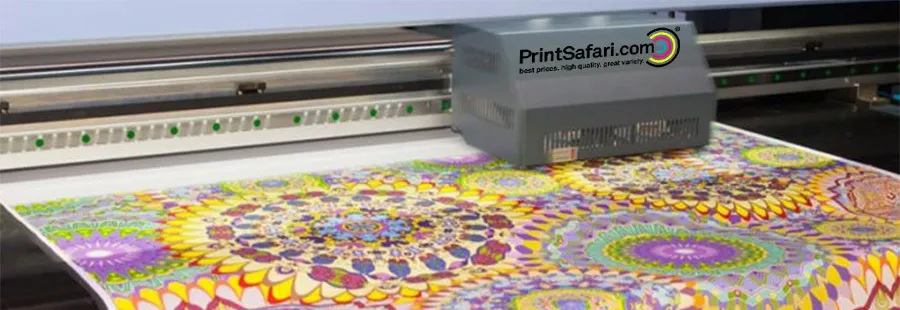
Achieving color consistency in textile production is a persistent challenge for brands, printers, and manufacturers. Even minor variations in shade or tone across fabric batches can impact product quality, brand reputation, and customer satisfaction. Understanding how to manage color consistency across fabric batches is essential for anyone involved in fabric printing, dyeing, or garment production.
Color discrepancies often arise due to differences in raw materials, dye lots, environmental conditions, and process variables. While some variation is inevitable, there are proven strategies and tools to minimize inconsistencies and deliver reliable results batch after batch. This article explores practical steps, industry best practices, and quality control measures to help you maintain uniform colors across all your textile projects.
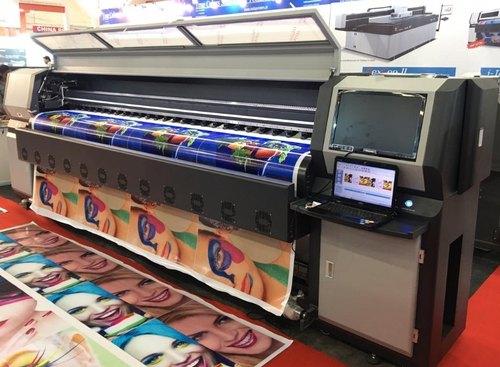
For those interested in how surface feel and print quality interact, you may also want to learn about what is soft hand feel in garment printing and how it relates to color management in textile processes.
Understanding the Causes of Color Variation in Textile Production
Before exploring solutions, it’s important to identify the main factors that contribute to color inconsistency between fabric batches:
- Raw Material Differences: Natural fibers like cotton and wool can absorb dyes differently depending on their origin, season, or processing history. Even synthetic fibers may have slight variations in chemical composition.
- Dye Lot Variability: Each batch of dye, even from the same supplier, can have subtle differences in strength or hue. This can lead to noticeable color shifts if not managed carefully.
- Process Conditions: Temperature, humidity, water quality, and machine calibration all influence dye uptake and fixation. Changes in any of these can alter the final shade.
- Operator Technique: Human factors, such as how dyes are mixed or applied, can introduce inconsistencies.
Recognizing these sources of variation is the first step in developing a robust color management strategy.
Best Practices for Managing Color Consistency Across Fabric Batches
Maintaining uniform color across multiple production runs requires a combination of process control, technology, and communication. Here are the most effective techniques:
1. Standardize Raw Materials and Pre-Treatment
Consistency starts with the fabric itself. Whenever possible, source base materials from the same supplier and lot. Implement standardized pre-treatment processes (such as scouring and bleaching) to ensure the fabric surface is uniform and ready for dyeing or printing.
2. Use Color Standards and Digital Color Management
Establish clear color targets using physical swatches or digital color references (such as Pantone or CIELAB values). Modern digital textile printing and color management systems allow for precise color matching and reproduction. These tools help translate color targets into machine-readable instructions, minimizing subjective interpretation.
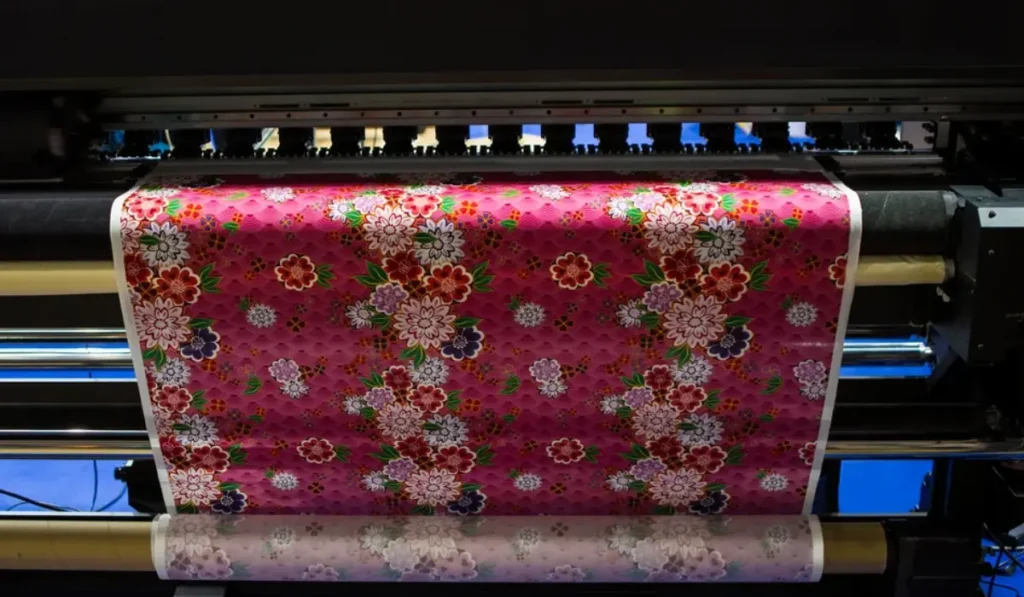
Digital workflows also make it easier to store and retrieve color recipes, ensuring repeatability across batches and even different production sites.
3. Implement Rigorous Batch Testing and Approval
Before full-scale production, always conduct lab dips or strike-offs—small test samples dyed or printed to match the target color. Compare these samples under controlled lighting conditions and with calibrated instruments (such as spectrophotometers) to ensure they meet specifications.
Only proceed with production once the test batch is approved. Retain reference samples for future comparison and quality audits.
4. Monitor and Control Production Variables
Maintain detailed records of all process parameters, including temperature, dye concentration, pH, and machine settings. Use automated systems where possible to reduce human error. Regularly calibrate equipment and monitor environmental conditions in the production area.
By keeping these variables consistent, you reduce the risk of unexpected color shifts between batches.
5. Communicate Clearly Across the Supply Chain
Effective communication between designers, printers, dye houses, and suppliers is crucial. Share detailed color specifications, approved samples, and process instructions with all stakeholders. Establish feedback loops to quickly address any issues that arise during production.
Technological Advances in Fabric Color Management
Recent innovations have made it easier than ever to achieve reliable color results in textile manufacturing. Digital printing technologies, for example, offer precise control over ink deposition and color blending. For a deeper dive into the environmental and operational benefits of these methods, see this comprehensive overview of digital textile printing.
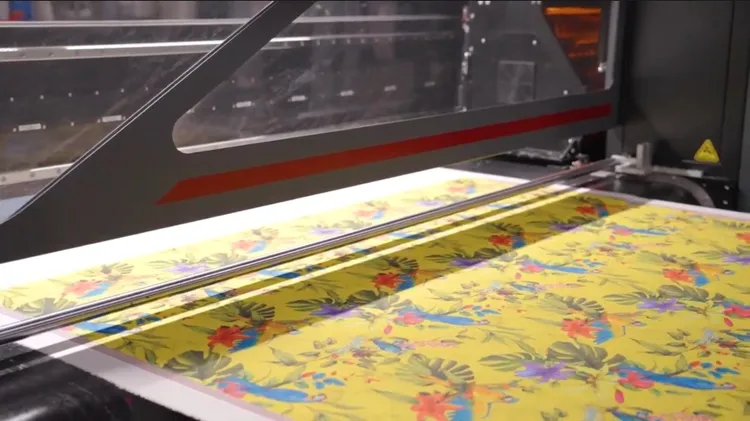
Other advances include:
- Spectrophotometric Analysis: Handheld and inline devices can measure color with high accuracy, allowing for real-time adjustments during production.
- Automated Dye Dispensing: Computer-controlled systems ensure precise dye mixing, reducing batch-to-batch variability.
- Cloud-Based Color Libraries: Centralized databases enable teams to access approved color standards and recipes from anywhere in the world.
Quality Control and Troubleshooting for Consistent Results
Even with the best systems in place, occasional color mismatches can occur. Here’s how to address and prevent them:
- Regularly Audit Production: Pull random samples from each batch and compare them to reference standards under multiple lighting conditions (D65, TL84, etc.).
- Document All Deviations: If a batch fails to meet color specs, record all relevant process data and investigate possible causes (e.g., dye lot change, equipment malfunction).
- Continuous Improvement: Use data from quality audits to refine processes, update training, and improve supplier selection.
For brands and printers seeking to optimize their workflow, exploring the benefits of micro-factory models for fashion printing can also support greater control and agility in color management.
Frequently Asked Questions
What is the most common cause of color variation between fabric batches?
The most frequent reason for color inconsistency is variability in raw materials and dye lots. Even small differences in fiber composition or dye strength can lead to noticeable shade differences, especially in large production runs.
How can digital printing help with color consistency?
Digital printing technologies use precise, computer-controlled processes to apply color, reducing human error and ensuring repeatability. By storing color profiles and recipes digitally, manufacturers can reproduce the same shade across multiple batches and locations with minimal variation.
What tools are essential for monitoring color accuracy?
Key tools include spectrophotometers for objective color measurement, calibrated light boxes for visual assessment, and digital color management software to store and communicate color standards. Automated dye dispensing and environmental monitoring systems also play a vital role in maintaining consistency.
Conclusion
Managing color consistency across fabric batches is a multifaceted challenge that requires attention to detail, process discipline, and the right technology. By standardizing materials, leveraging digital tools, and implementing rigorous quality control, textile professionals can deliver reliable, high-quality results that meet customer expectations and strengthen brand reputation. Staying proactive and informed about the latest advances in color management will help ensure your products stand out for all the right reasons.