Ensuring that meat products are packaged safely is a critical step in maintaining food quality, extending shelf life, and protecting consumers from contamination. The right food-safe packaging for meat not only preserves freshness but also complies with strict industry standards and regulations. As meat is highly perishable, choosing suitable packaging materials and methods is essential for anyone involved in processing, distributing, or selling these products.
This article offers a practical overview of the most common packaging types, the materials used, and the key considerations for selecting safe and effective options. If you’re interested in how packaging technology intersects with other industries, you might also find value in learning about what is soft hand feel in garment printing, which explores material properties in a different context.
Understanding Food-Safe Packaging for Meat
Meat packaging must meet rigorous safety standards to prevent spoilage and contamination. Food-safe packaging for meat refers to materials and processes that are approved for direct contact with food, ensuring that no harmful chemicals migrate into the product. These solutions are designed to maintain hygiene, inhibit bacterial growth, and preserve the texture, color, and flavor of meat.
The packaging process typically involves several steps: selecting the right material, ensuring proper sealing, and sometimes adding protective atmospheres (like vacuum or modified atmosphere packaging) to further extend shelf life. Each method has its own advantages, depending on the type of meat and distribution requirements.
Key Materials Used in Meat Packaging
The choice of packaging material plays a significant role in food safety and product quality. Here are some of the most common materials used:
- Polyethylene (PE) and Polypropylene (PP): These plastics are widely used for their moisture barrier properties and flexibility. They are suitable for both fresh and frozen meats.
- Polyvinyl Chloride (PVC): Often used as a stretch film for wrapping trays of meat, PVC is transparent and clings tightly to the product, offering good visibility and protection.
- Vacuum Packaging Films: Multi-layer films that remove air and seal tightly around the meat, significantly slowing down spoilage and oxidation.
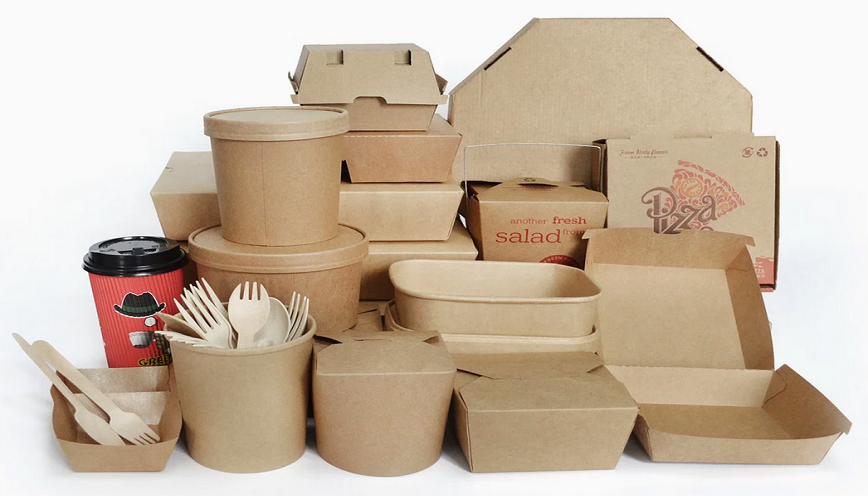
- Paper and Cardboard: Used for secondary packaging, such as boxes or sleeves, these materials are often combined with a plastic or wax coating to prevent moisture absorption.
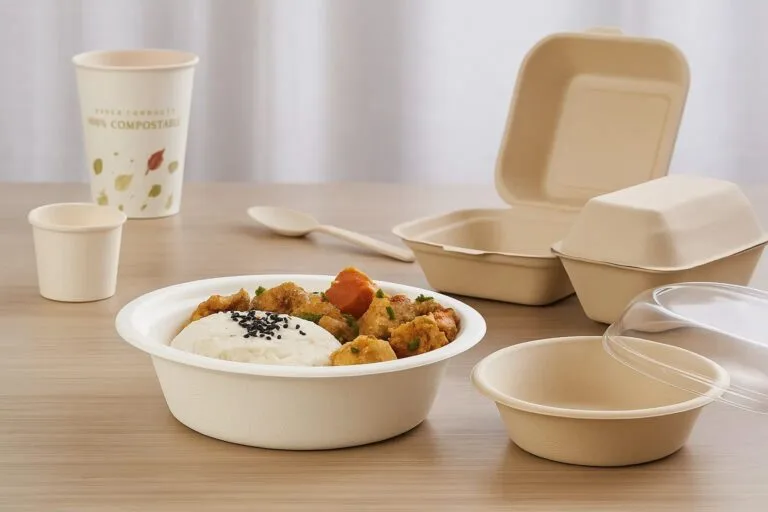
- Compostable and Biodegradable Options: As sustainability becomes more important, plant-based materials like PLA (polylactic acid) and bagasse are gaining popularity for certain applications.

Types of Packaging Solutions for Meat Products
There are several packaging formats used in the meat industry, each tailored to specific needs and product types. Some of the most common include:
- Vacuum Sealed Bags: By removing air, vacuum packaging helps slow bacterial growth and prevents freezer burn. This method is ideal for both raw and processed meats.
- Modified Atmosphere Packaging (MAP): This technique replaces the air inside the package with a mixture of gases (usually carbon dioxide and nitrogen) to extend shelf life and maintain color.
- Tray and Overwrap: Meat is placed on a foam or plastic tray and wrapped with a clear film. This is common in retail settings for fresh cuts.
- Chub Packs: Used for ground meat, these cylindrical, sealed tubes are efficient for bulk packaging and minimize oxygen exposure.
- Eco-Friendly Packaging: Newer options include compostable trays and films made from renewable resources, helping reduce environmental impact without compromising safety.
Safety Standards and Regulatory Compliance
All packaging materials intended for direct contact with meat must comply with food safety regulations set by authorities such as the FDA (in the United States) or EFSA (in Europe). These regulations ensure that materials are non-toxic, do not leach harmful substances, and are manufactured under sanitary conditions.
Businesses must also consider traceability, labeling, and proper storage conditions. Packaging should be clearly marked as food-grade, and suppliers should provide documentation proving compliance with relevant standards.
Benefits of Using Certified Food-Safe Packaging
Choosing certified solutions for meat products offers several advantages:
- Preservation of Freshness: Proper packaging slows down spoilage and maintains the natural qualities of meat.
- Reduced Risk of Contamination: Sealed, food-grade materials act as a barrier against bacteria and external contaminants.
- Extended Shelf Life: Technologies like vacuum sealing and MAP can significantly increase how long meat stays safe to eat.
- Improved Consumer Confidence: Clear labeling and visible quality assurance help build trust with customers.
- Environmental Responsibility: Sustainable packaging options reduce waste and appeal to eco-conscious consumers.
How to Choose the Right Packaging for Your Meat Products
Selecting the best packaging depends on several factors:
- Type of Meat: Fresh, frozen, processed, or cooked meats may require different materials and methods.
- Distribution and Storage: Consider whether products will be shipped long distances, stored for extended periods, or displayed in retail settings.
- Shelf Life Requirements: Some packaging options offer longer preservation than others.
- Environmental Impact: Evaluate the sustainability of materials and opt for recyclable or compostable options when possible.
- Budget and Volume: Cost-effectiveness is important, especially for large-scale operations.
For a broader look at packaging types and how to select the most suitable one for your needs, you can refer to this comprehensive guide to common food packaging types.
Trends in Sustainable and Innovative Meat Packaging
The industry is seeing rapid growth in sustainable packaging solutions. Plant-based trays, compostable films, and recyclable plastics are becoming more common as both businesses and consumers seek to reduce environmental impact. Advances in active packaging—such as antimicrobial films and oxygen scavengers—are also helping to further extend shelf life and improve safety.
As technology evolves, expect to see more smart packaging features, such as freshness indicators and improved traceability, which will benefit both producers and end-users.
FAQ: Common Questions About Meat Packaging Safety
What makes packaging materials food-safe for meat?
Food-safe materials are those that have been tested and certified to ensure they do not leach harmful substances into food. They must comply with regulatory standards and be manufactured in hygienic conditions to prevent contamination.
Can eco-friendly packaging be used for raw meat?
Yes, many compostable and biodegradable materials are now suitable for direct contact with meat. However, it’s important to check that these materials meet food safety standards and offer adequate barrier protection against moisture and bacteria.
How does vacuum packaging extend the shelf life of meat?
Vacuum packaging removes air from around the meat, which slows down the growth of spoilage organisms and oxidation. This helps keep the meat fresh for a longer period compared to traditional packaging methods.