The growing demand for convenience and food safety has made packaging a crucial part of the modern food industry. However, as awareness of environmental issues increases, more attention is being paid to the food-safe packaging environmental impact. Understanding how different materials and packaging choices affect the planet is essential for businesses, consumers, and policymakers aiming to make responsible decisions.
This article explores the ecological consequences of food-safe packaging, including material choices, waste management, and sustainable alternatives. For those interested in specific applications, such as food-safe packaging for refrigerators, further resources are available to help guide your selection.

Understanding the Role of Food-Safe Packaging in Sustainability
Food packaging serves several important functions: protecting food from contamination, extending shelf life, and making transportation easier. Yet, these benefits often come with environmental trade-offs. The environmental impact of food-safe packaging depends on factors such as material type, production processes, and end-of-life disposal.
Most packaging is designed to be single-use, leading to significant waste generation. Some materials, like plastics, can persist in the environment for hundreds of years, while others, such as paper or bioplastics, may break down more quickly but still require resources for production and recycling.
Common Materials and Their Ecological Footprint
The choice of material is a key factor in determining the food-safe packaging environmental impact. Each type of packaging material has unique properties and environmental implications:
- Plastic: Widely used for its durability and barrier properties, plastic packaging is lightweight and effective at preserving food. However, it is derived from fossil fuels, is often not biodegradable, and can contribute to microplastic pollution if not properly managed.
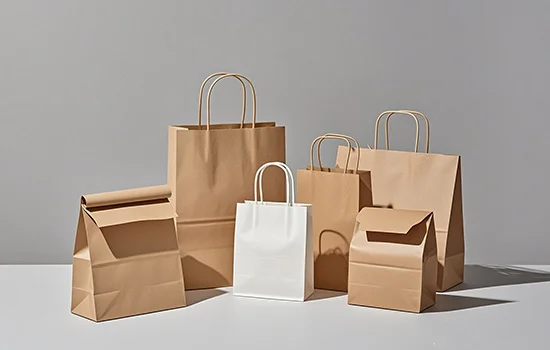
- Paper and Cardboard: These materials are renewable and biodegradable, making them a popular choice for eco-conscious brands. Still, their production can involve deforestation and high water use, and coatings or laminates may hinder recyclability.
- Glass: Inert and infinitely recyclable, glass is an excellent barrier to oxygen and moisture. Its main drawback is weight, which increases transportation emissions.
- Metal (Aluminum, Tin): Metals are highly recyclable and provide strong protection. However, mining and refining metals are energy-intensive processes.
- Bioplastics and Compostables: Made from renewable resources, these alternatives are designed to break down more easily. Their environmental benefits depend on proper composting infrastructure and may still require energy and resources to produce.
For a more detailed breakdown of packaging materials and their characteristics, see this comprehensive guide to food packaging materials.
Waste Generation and End-of-Life Challenges
One of the most pressing concerns regarding food-safe packaging environmental impact is the sheer volume of waste generated. Single-use containers, wrappers, and trays often end up in landfills or as litter. Even when recycling is available, contamination from food residues or mixed materials can prevent effective processing.
Compostable and biodegradable options offer some promise but require specific conditions to break down efficiently. In many regions, industrial composting facilities are limited, and these materials may not degrade as intended in home compost or landfill environments.
Sustainable Packaging Innovations and Best Practices
As awareness grows, the food industry is adopting new approaches to reduce the ecological burden of packaging. Some of the most promising strategies include:
- Material Reduction: Designing packaging that uses less material without compromising safety or functionality.
- Recyclable and Reusable Solutions: Encouraging the use of containers that can be recycled multiple times or reused, such as glass jars or sturdy plastic tubs.
- Renewable Resources: Sourcing packaging from rapidly renewable materials like bamboo or agricultural waste.
- Clear Labeling: Providing clear instructions for consumers on how to dispose of packaging correctly, which improves recycling rates and reduces contamination.
- Collaboration Across the Supply Chain: Working with suppliers, manufacturers, and waste management companies to develop closed-loop systems.
Businesses looking to make informed choices can benefit from resources such as the food-safe packaging selection guide, which offers practical advice on selecting environmentally responsible options.
Regulations and Certifications Affecting Food Packaging
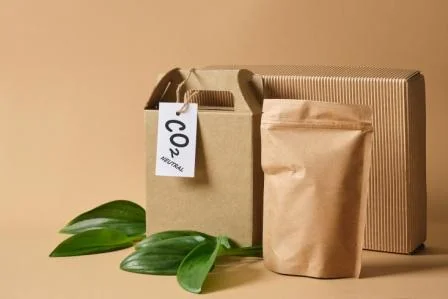
Governments and international organizations are increasingly regulating packaging to address sustainability concerns. Regulations may cover aspects such as material safety, recyclability, and labeling requirements. Certifications like FSC (Forest Stewardship Council) for paper or compostability marks for bioplastics help consumers identify more sustainable options.
Staying informed about evolving standards is crucial for businesses aiming to minimize their food-safe packaging environmental impact and meet consumer expectations.
Making Responsible Choices as a Business or Consumer
Both businesses and individuals play a role in reducing the environmental footprint of packaging. Here are some actionable steps:
- Choose Minimal Packaging: Select products with less or no packaging when possible.
- Support Sustainable Brands: Look for companies that prioritize eco-friendly materials and transparent sourcing.
- Proper Disposal: Follow local guidelines for recycling or composting packaging materials.
- Advocate for Change: Encourage businesses and policymakers to adopt greener practices and invest in better waste management infrastructure.
For businesses, partnering with reputable food-safe packaging manufacturers can help ensure that packaging choices align with both safety standards and environmental goals.
FAQ: Food Packaging and Its Environmental Effects
What makes food-safe packaging harmful to the environment?
The main issues stem from resource extraction, energy use during production, and the persistence of packaging waste in the environment. Plastics, in particular, can take centuries to degrade and may break down into microplastics, which are harmful to wildlife and ecosystems.
Are compostable or biodegradable packaging options always better?
While these alternatives can reduce environmental harm, their benefits depend on proper disposal. Compostable packaging requires industrial composting facilities to break down efficiently, and biodegradable materials may still leave residues if not processed correctly.
How can I identify environmentally friendly food packaging?
Look for certifications such as FSC for paper products or compostability marks for bioplastics. Clear recycling or disposal instructions also indicate that a company is considering the full lifecycle of its packaging.
What steps can businesses take to reduce their packaging impact?
Companies can minimize material use, switch to renewable or recycled materials, design for recyclability, and educate consumers about proper disposal. Collaborating with food-safe packaging distributors who specialize in sustainable options can further support these efforts.