The safety and longevity of food products depend heavily on the way they are packaged. Hermetic food-safe packaging is a specialized solution designed to protect food from contamination, spoilage, and environmental factors. This approach is crucial for manufacturers, retailers, and consumers who prioritize food quality and safety. Understanding how these packaging systems work, their benefits, and the materials involved can help businesses choose the right options for their products.
For those looking to explore the broader landscape of food-grade packaging, you may find detailed insights in this guide on types of food-safe packaging. This resource outlines various solutions suitable for modern food businesses and complements the information provided here.

What Makes Packaging Hermetic and Food-Safe?
The term hermetic refers to a seal that is completely airtight. In the context of food packaging, this means that no air, moisture, or microorganisms can enter or escape once the package is sealed. This is achieved through specialized materials and sealing technologies that ensure a secure barrier around the food product.
For packaging to be considered food-safe, it must also comply with strict regulatory standards. These standards ensure that materials do not leach harmful substances into the food and that the packaging maintains its integrity throughout the product’s shelf life. The combination of hermetic sealing and food-grade materials results in packaging that preserves freshness, extends shelf life, and minimizes health risks.
Key Benefits of Hermetic Packaging for Food Products
Adopting hermetic food-safe packaging offers several advantages for both producers and consumers:
- Extended Shelf Life: By preventing oxygen and moisture from entering, hermetic seals slow down spoilage and preserve the quality of perishable goods.
- Protection from Contaminants: These packages block bacteria, mold, and other contaminants, reducing the risk of foodborne illness.
- Maintained Flavor and Texture: Airtight barriers help retain the original taste, aroma, and texture of food products.
- Improved Transport and Storage: Hermetically sealed packaging is less vulnerable to environmental changes, making it ideal for shipping and long-term storage.
- Regulatory Compliance: Using food-grade, hermetic packaging helps businesses meet safety standards and avoid costly recalls.
Common Materials and Technologies Used
The effectiveness of hermetic packaging depends on the choice of materials and the sealing process. Some of the most common materials include:
- Multi-layer Plastics: These provide excellent moisture and oxygen barriers and are widely used for snacks, dairy, and ready-to-eat meals.
- Aluminum Foil: Often used in combination with plastics, aluminum offers superior protection against light, gases, and moisture.
- Glass: Jars and bottles made from glass are naturally hermetic when sealed properly, making them ideal for preserves and sauces.
- Metal Cans: Used for canned foods, these provide a robust, tamper-evident solution that is both airtight and durable.
Technologies such as heat sealing, induction sealing, and vacuum sealing are commonly employed to create an airtight closure. Each method is chosen based on the type of food, the packaging material, and the intended shelf life.
Applications Across the Food Industry
Hermetically sealed, food-safe packaging is found in a wide range of products:
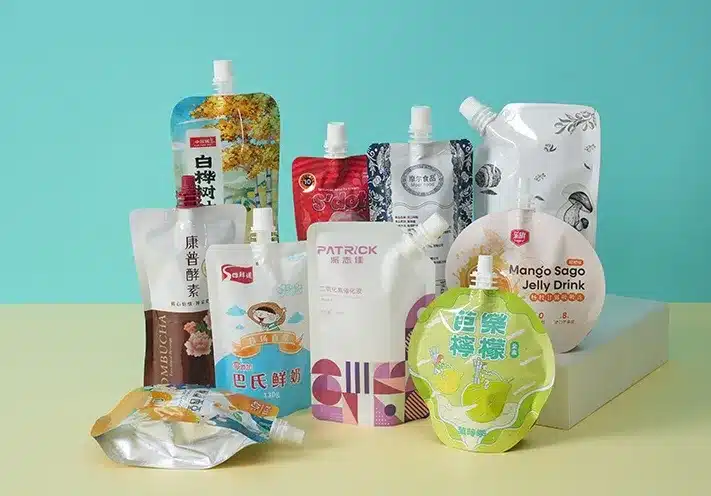
- Beverages: Juices, dairy drinks, and plant-based beverages often use spouted pouches or bottles with hermetic seals to prevent leaks and contamination.
- Snacks and Confectionery: Chips, nuts, and chocolates benefit from airtight packaging that preserves freshness and crunch.
- Prepared Meals: Ready-to-eat and frozen meals rely on vacuum-sealed trays or pouches to maintain quality during transport and storage.
- Infant and Medical Nutrition: Products for sensitive populations require the highest level of protection, making hermetic packaging essential.
Regulatory Standards and Safety Considerations
Ensuring that packaging is both hermetic and food-safe involves meeting various regulatory requirements. These standards differ by region but generally focus on:
- Material Safety: All components must be approved for food contact and free from harmful chemicals.
- Migration Limits: Regulations set strict limits on the amount of substances that can transfer from packaging to food.
- Labeling and Traceability: Proper labeling helps track packaging batches and supports recalls if needed.
For a comprehensive overview of food-grade material requirements, consider this guide to food-grade packaging materials requirements. It covers the essential criteria for compliance and safety in detail.
Choosing the Right Hermetic Solution for Your Product
Selecting the best packaging approach depends on several factors:
- Product Sensitivity: Highly perishable items require stronger barriers and more advanced sealing technologies.
- Shelf Life Goals: The desired storage duration will influence material choice and sealing method.
- Distribution Channels: Products shipped long distances or stored in variable conditions benefit from robust, hermetic packaging.
- Consumer Convenience: Resealable and easy-open features can enhance the user experience without compromising safety.
- Sustainability: Many brands are exploring recyclable or biodegradable hermetic solutions to reduce environmental impact.
Consulting with packaging specialists and staying updated on regulatory changes can help businesses make informed decisions that balance safety, cost, and sustainability.
Frequently Asked Questions
How does hermetic packaging differ from regular food packaging?
Hermetic packaging is specifically designed to be completely airtight, preventing the entry of air, moisture, and microorganisms. Regular food packaging may not offer the same level of protection, which can lead to faster spoilage or contamination.
Are all hermetic packages also food-safe?
Not necessarily. While a hermetic seal provides an airtight barrier, the materials used must also be certified as food-safe. Only packaging that meets both criteria can be considered suitable for direct food contact.
What are some examples of foods that require hermetic packaging?
Products like baby food, dairy, ready-to-eat meals, and shelf-stable beverages often require hermetic, food-safe packaging to ensure safety and extend shelf life.
Where can I learn more about food-safe packaging definitions and uses?
For a deeper understanding of what qualifies as food-safe packaging, see this article on what is food-safe packaging, which covers definitions, uses, and the importance of compliance.