In the competitive world of food and beverage, the way products are packaged can make a significant difference in how they are perceived and how well they sell. Food-safe packaging for marketing is not just about keeping food fresh and safe—it’s also a powerful tool for building brand trust, standing out on shelves, and connecting with consumers. Businesses that prioritize both safety and visual appeal in their packaging often see stronger customer loyalty and improved market performance.
Understanding the essentials of safe packaging and how it intersects with marketing strategies is crucial for any food business. For a deeper dive into the basics, you might find this resource on what is food-safe packaging helpful as a foundation before exploring the marketing advantages.
The Role of Food-Safe Packaging in Brand Perception
Packaging is often the first point of contact between a brand and its customers. When consumers pick up a product, they immediately assess its quality, freshness, and safety—often subconsciously—through the packaging. Using food-safe packaging for marketing helps brands communicate their commitment to health and quality, which can be a deciding factor for many buyers.
Safe packaging materials protect food from contamination, spoilage, and tampering. This assurance of safety builds trust, especially in an era where consumers are more informed and cautious about what they eat. Brands that use certified materials and highlight these features on their packaging can differentiate themselves from competitors who may not prioritize safety to the same extent.
Design Strategies That Combine Safety and Marketing
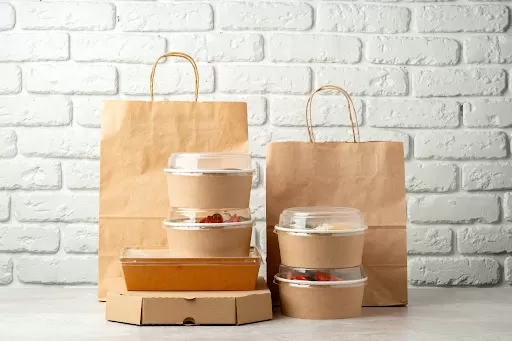
Effective packaging design goes beyond aesthetics. It must ensure that food remains uncontaminated while also capturing attention and conveying the brand’s message. Here are some strategies that blend safety with marketing impact:
- Clear Labeling: Highlighting certifications such as “BPA-free,” “FDA-approved,” or “food-grade” on the packaging reassures consumers about safety.
- Innovative Materials: Using biodegradable, recyclable, or compostable materials not only ensures food safety but also appeals to eco-conscious consumers.
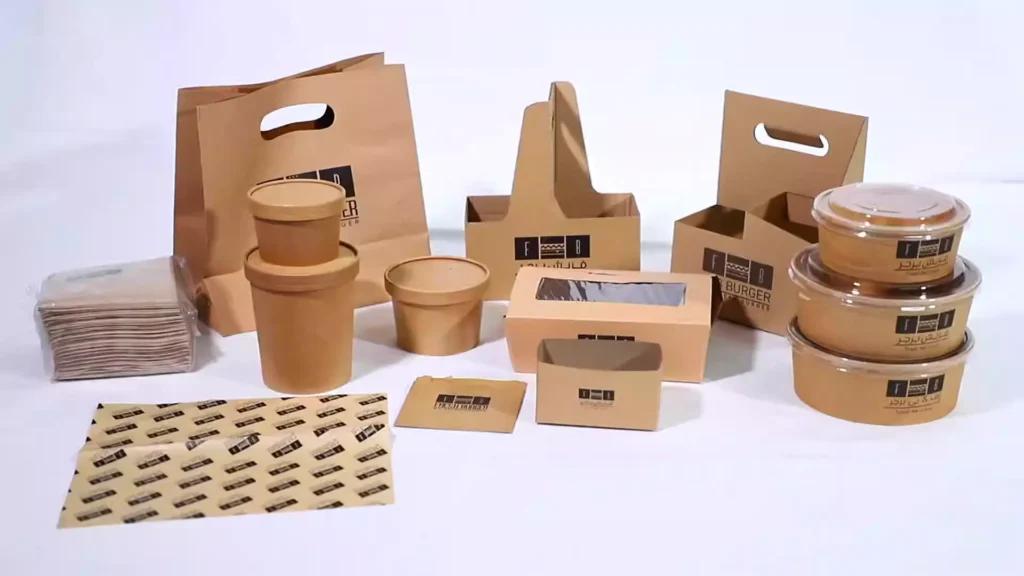
- Custom Branding: Incorporating unique graphics, colors, and logos on safe packaging helps products stand out and reinforces brand identity.
- Functional Features: Resealable closures, tamper-evident seals, and portion control designs enhance both safety and user experience.
For businesses looking to explore the various types of food-safe packaging available, understanding the options can help in selecting the best fit for both product safety and marketing goals.
How Food-Safe Packaging Drives Consumer Trust and Loyalty
Trust is a cornerstone of any successful food brand. When customers know that a company invests in safe packaging, they are more likely to become repeat buyers and recommend the product to others. This trust is built through transparency, visible safety features, and consistent quality.
Packaging that clearly communicates its safety credentials—through symbols, certifications, or transparent windows—gives consumers peace of mind. This confidence can translate into positive reviews, word-of-mouth referrals, and stronger brand loyalty.
Marketing Advantages of Prioritizing Food Safety in Packaging
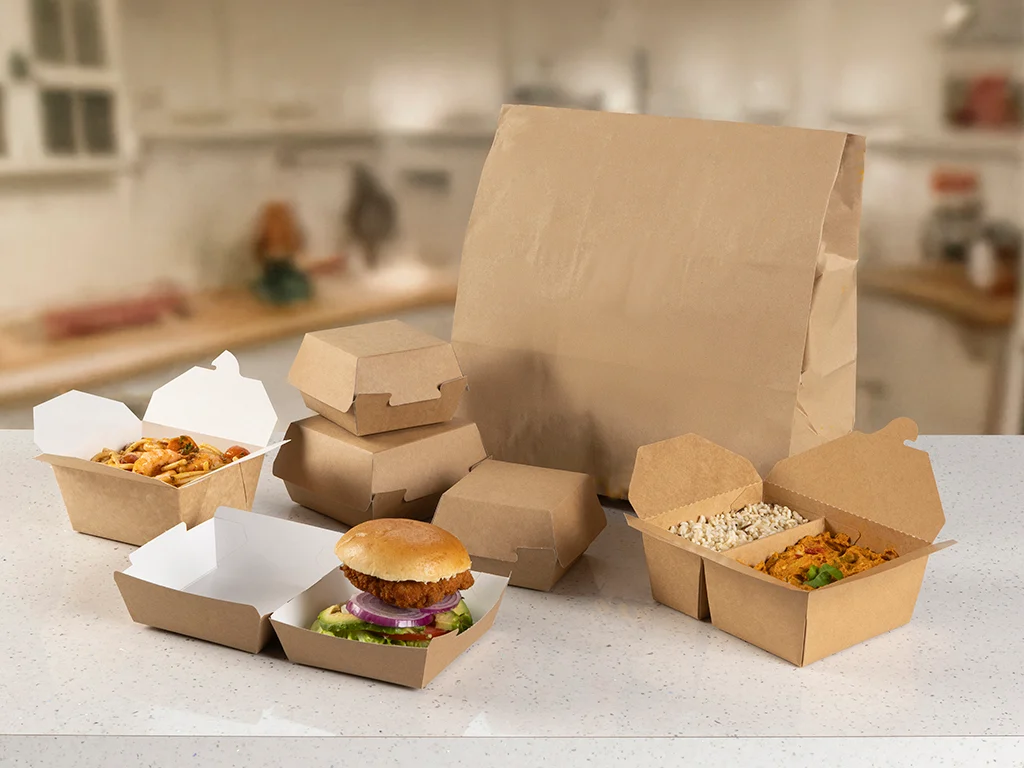
Emphasizing food safety in packaging can be a unique selling proposition. Here’s how it can enhance your marketing efforts:
- Competitive Edge: Products that showcase food safety credentials often stand out in crowded markets, especially among health-conscious consumers.
- Regulatory Compliance: Meeting or exceeding safety standards can prevent costly recalls and protect brand reputation.
- Storytelling Opportunities: Brands can use their commitment to safety as part of their marketing narrative, sharing the steps they take to protect customers.
- Increased Shelf Life: Proper packaging extends product freshness, reducing waste and improving customer satisfaction.
For more insights into the importance of using safe materials, the article on food-grade packaging and its role in food safety provides a comprehensive overview of best practices and industry standards.
Trends and Innovations in Food-Safe Packaging for Marketing
The packaging industry is evolving rapidly, with new materials and technologies emerging to meet both safety and marketing needs. Some of the latest trends include:
- Smart Packaging: Incorporating QR codes or NFC tags allows consumers to verify product authenticity and safety information instantly.
- Sustainable Solutions: Eco-friendly materials that are also food-safe are gaining popularity, helping brands align with environmental values while ensuring product integrity.
- Minimalist Designs: Simple, clean packaging that highlights safety features can appeal to modern consumers who value transparency and authenticity.
As these trends continue to shape the industry, businesses that adapt quickly and prioritize both safety and marketing will be best positioned for long-term success.
Best Practices for Implementing Food-Safe Packaging in Marketing
To maximize the benefits of safe packaging in your marketing strategy, consider the following best practices:
- Source Certified Materials: Always use packaging that meets recognized safety standards for food contact.
- Educate Your Team: Ensure that everyone involved in packaging design and production understands the importance of food safety.
- Communicate Clearly: Use packaging space to inform consumers about the safety measures in place, such as tamper-evident features or eco-friendly materials.
- Stay Updated: Keep up with industry regulations and emerging technologies to maintain compliance and competitive advantage.
Frequently Asked Questions
What materials are considered safe for food packaging?
Materials such as food-grade plastics, glass, certain metals, and certified papers are commonly used for food packaging. These materials are tested to ensure they do not leach harmful substances into food and meet regulatory standards for safety.
How can packaging help with food marketing?
Packaging serves as a brand ambassador, communicating quality, safety, and values to consumers. Visually appealing, informative, and safe packaging can attract new customers, build trust, and encourage repeat purchases.
Why is food-safe packaging important for customer trust?
Customers are increasingly aware of health and safety issues. When brands use certified safe packaging and clearly communicate this on their products, it reassures buyers that the company prioritizes their well-being, which strengthens loyalty and confidence.