In the world of textile decoration, discharge printing stands out as a specialized technique that allows for vibrant, soft, and detailed prints on dark-colored fabrics. This process is highly valued in the apparel industry for its ability to create intricate designs with a natural hand feel, making it a preferred choice for premium garments. Understanding how this method works, its advantages, and its challenges can help brands and manufacturers make informed decisions about their printing options.
If you’re interested in exploring other advanced printing methods for apparel, such as techniques for how to print on dark fabrics effectively, you’ll find that discharge printing offers unique benefits compared to traditional approaches.
Understanding the Discharge Printing Process
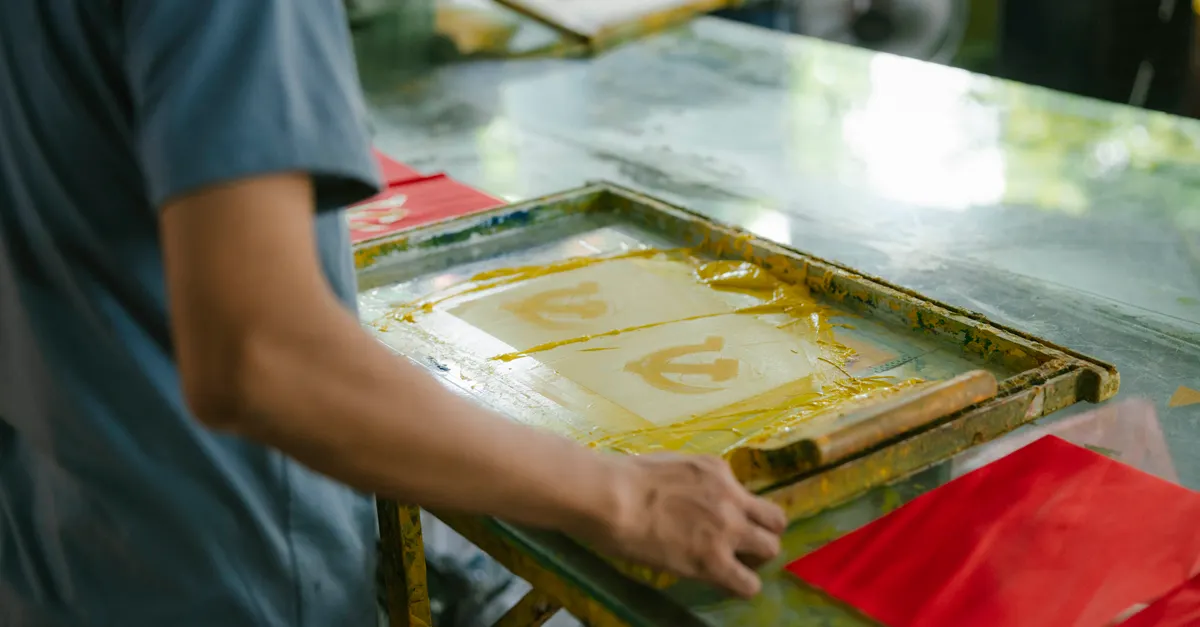
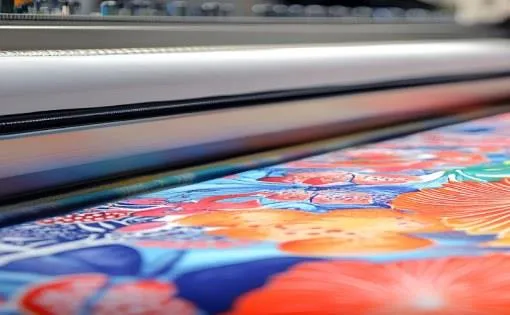
At its core, discharge printing in garment manufacturing is a method where a special ink, known as discharge ink, is used to remove the dye from the fabric in specific areas. This process essentially “bleaches out” the base color of the garment, allowing for lighter or even white designs to appear on dark backgrounds. The discharged areas can then be left as-is, or re-colored with pigments to achieve a wide range of effects.
The technique is most commonly applied to 100% cotton fabrics that have been dyed with reactive dyes. The discharge ink contains an active agent, typically zinc formaldehyde sulfoxylate, which breaks down the dye molecules when heat is applied during curing. As a result, the printed area becomes soft and smooth, blending seamlessly with the rest of the garment.
Key Benefits of Discharge Printing for Apparel
There are several reasons why brands and print shops choose this method for their garments:
- Soft Hand Feel: Unlike plastisol or other surface inks, discharge prints are absorbed into the fabric, resulting in a print that feels almost indistinguishable from the garment itself.
- Vivid Colors on Dark Fabrics: By removing the base dye, this process allows for bright, bold designs that pop on black or colored shirts—something difficult to achieve with standard inks.
- Fine Detail and Registration: The technique supports intricate artwork and sharp lines, making it ideal for detailed graphics and text.
- Breathability: Because the ink doesn’t sit on top of the fabric, the finished garment remains breathable and comfortable to wear.
How Discharge Printing Differs from Other Methods
It’s important to distinguish discharge from other popular textile printing techniques. For example, traditional screen printing uses opaque inks that sit atop the fabric, which can sometimes result in a heavier feel. Heat transfer and digital printing methods, while versatile, may not achieve the same level of softness or vibrancy on dark materials.
For those comparing silk screen vs. heat transfer printing, discharge offers a unique alternative, especially for projects demanding a premium finish and tactile comfort.
Comparison Table: Discharge vs. Other Printing Techniques
| Printing Method | Best For | Feel | Color Vibrancy | Fabric Compatibility |
|---|---|---|---|---|
| Discharge | Dark cotton garments | Very soft | High (on suitable fabrics) | 100% cotton, reactive dyes |
| Plastisol Screen Print | All fabrics | Medium to heavy | High | Most textiles |
| Heat Transfer | Small runs, custom prints | Medium | Good | Various |
| Direct-to-Garment (DTG) | Detailed, full-color images | Soft | Good | Light and dark cotton |
Limitations and Considerations in Discharge Printing
While discharge offers many advantages, it’s not suitable for every project. Here are some important factors to keep in mind:
- Fabric Requirements: The process works best on 100% cotton garments dyed with reactive dyes. Blends, synthetics, or garments dyed with pigment dyes may not discharge properly.
- Color Variability: The final color can vary depending on the original dye and fabric lot, so exact color matching can be challenging.
- Chemical Handling: Discharge inks contain active chemicals that require proper ventilation and safety precautions during printing and curing.
- Environmental Impact: The chemicals used in the process must be managed responsibly to minimize environmental harm.
Applications and Trends in Modern Garment Production
Discharge printing is widely used for fashion t-shirts, branded apparel, and high-end merchandise where comfort and print quality are top priorities. Many streetwear and boutique brands rely on this method to achieve unique, vintage-inspired looks and soft-touch graphics.
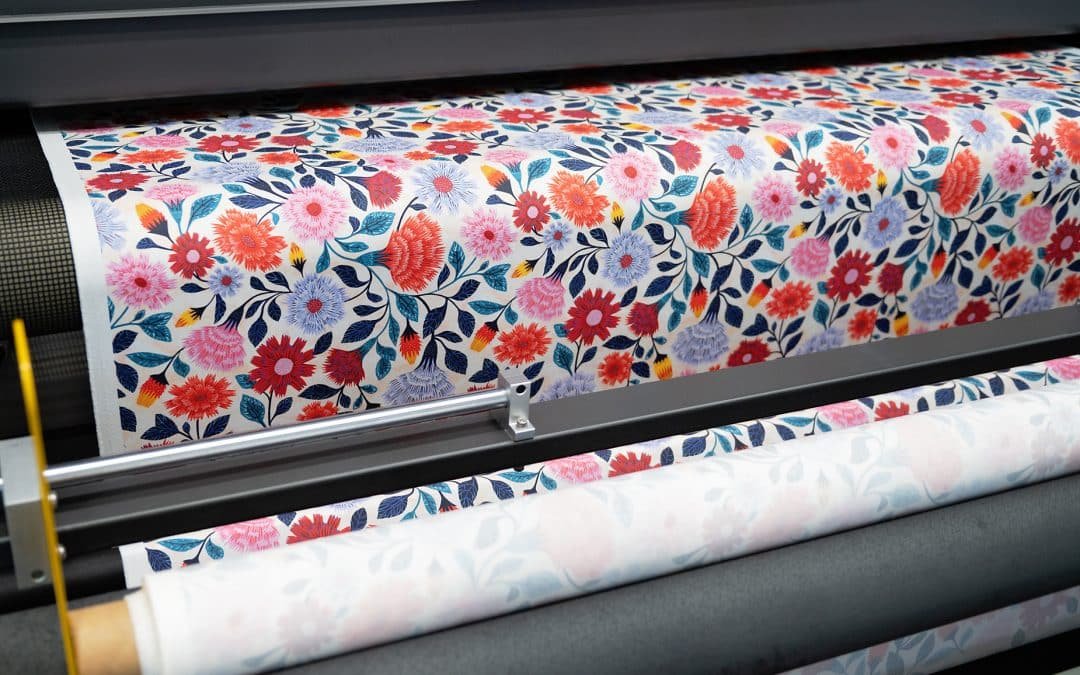
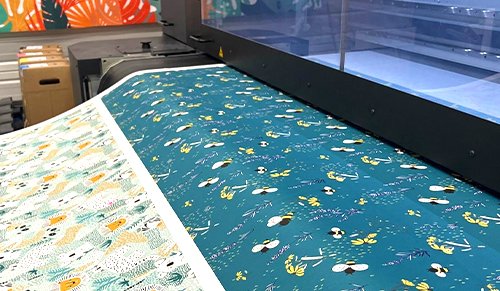
As the textile industry evolves, there is growing interest in combining discharge with digital and hybrid printing technologies. For a deeper dive into digital textile methods, you can read this comprehensive overview of digital textile printing and how it is shaping the future of garment decoration.
Tips for Achieving the Best Results with Discharge Techniques
To get the most out of this process, manufacturers and designers should consider the following best practices:
- Choose the Right Fabric: Always test discharge inks on the intended garment to ensure compatibility and desired results.
- Pre-Treat and Cure Properly: Proper curing at the correct temperature is essential for activating the discharge agent and achieving a soft, lasting print.
- Artwork Preparation: Use vector graphics and high-resolution designs to take advantage of the technique’s ability to capture fine detail.
- Color Testing: Since results can vary, run small test batches to fine-tune ink formulations and color outcomes.
- Environmental Responsibility: Work with suppliers who offer eco-friendlier discharge inks and follow safe disposal practices.
Related Techniques and Further Reading
Discharge is just one of many methods available for textile decoration. If you’re interested in learning about rotary screen printing for mass production or want to know how to set up a tech pack for textile printing, there are plenty of resources to help you navigate the options.
For those working with cotton, you may also find it useful to explore how to achieve high resolution prints on cotton for even more garment decoration possibilities.
Frequently Asked Questions
Can discharge printing be used on polyester or blended fabrics?
This technique is most effective on 100% cotton garments dyed with reactive dyes. Polyester and blends generally do not respond to discharge agents, resulting in poor or inconsistent prints.
Is discharge printing safe for the environment?
While the process uses chemicals to remove dye, many manufacturers are adopting safer, more eco-friendly discharge inks. Proper handling and disposal are essential to minimize environmental impact.
Does discharge printing work on all colors of fabric?
The process is primarily used on dark-colored garments, especially black. Results may vary on other colors, and some dyes may not discharge well, so testing is recommended before full production.
How does discharge compare to digital textile printing?
Discharge offers a softer feel and is ideal for certain cotton garments, while digital printing provides versatility for detailed, full-color images on a wider range of fabrics. Each method has its own strengths depending on the desired outcome.