The landscape of the building industry is undergoing a significant shift as 3D printing in construction gains traction worldwide. This innovative approach, also known as additive manufacturing for buildings, is introducing new efficiencies, reducing waste, and enabling the creation of complex structures that were once difficult or costly to achieve using traditional techniques. As the technology matures, it is reshaping how architects, engineers, and builders approach the design and realization of residential, commercial, and infrastructure projects.
With the ability to fabricate entire walls, floors, and even multi-story buildings layer by layer, this method is not just a futuristic concept—it is already being implemented in pilot projects and commercial developments. For those interested in the broader impact of advanced fabrication methods, exploring topics like benefits of micro-factory models for fashion printing can offer further insight into how digital manufacturing is changing various industries.
How Additive Manufacturing Is Revolutionizing Building Techniques
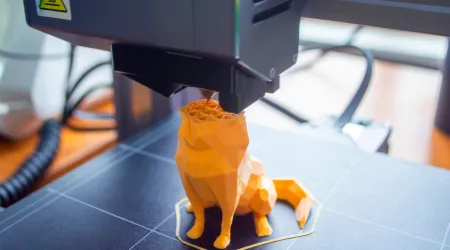
The adoption of 3D printing in construction is enabling a radical departure from conventional building practices. Instead of relying on prefabricated components or labor-intensive manual processes, this technology uses computer-guided printers to deposit materials—typically concrete or specialized composites—layer by layer according to a digital blueprint.
This approach offers several advantages:
- Design freedom: Complex curves, overhangs, and custom geometries are easier to achieve without the need for costly molds or formwork.
- Material efficiency: Only the necessary amount of material is used, significantly reducing waste compared to traditional methods.
- Speed: Large-scale printers can construct walls or entire structures in a fraction of the time required by manual labor.
- Labor reduction: Fewer workers are needed on-site, which can help address labor shortages and improve safety.
For a deeper understanding of the underlying technology, this overview of 3D printing fundamentals provides a solid foundation.
Key Applications of 3D Printing in Modern Construction
The versatility of additive manufacturing is being harnessed in a range of building projects. Some of the most prominent applications include:
- Residential housing: Entire homes are being printed in days, offering affordable and customizable solutions for housing shortages.
- Commercial buildings: Offices, retail spaces, and warehouses benefit from rapid construction and unique architectural features.
- Infrastructure: Bridges, bus stops, and public amenities are being fabricated with intricate designs and durable materials.
- Disaster relief: Emergency shelters and temporary housing can be produced quickly in response to natural disasters.
Materials and Machines Used in Additive Construction
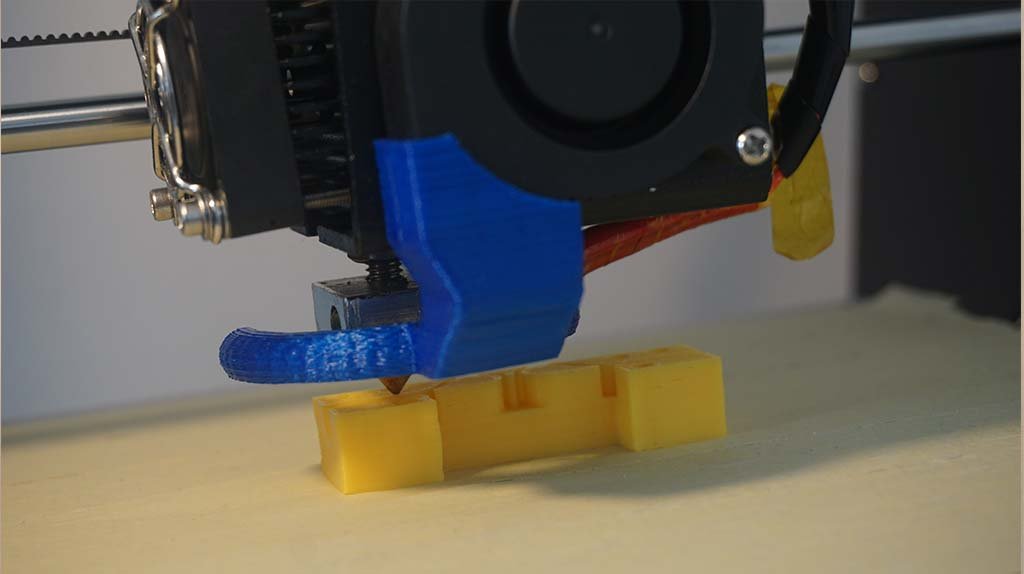
The success of digitally fabricated buildings depends on the right combination of materials and equipment. Most commonly, large-scale printers use a form of concrete or mortar that is optimized for quick setting and structural integrity. However, research is ongoing into alternative materials such as recycled plastics, geopolymers, and even locally sourced earth.
The printers themselves range from gantry-style machines that move along rails to robotic arms capable of intricate movements. These machines are guided by computer models, ensuring precise placement of each layer and enabling the creation of features like insulation channels, conduits, and decorative elements directly within the printed structure.

Advantages and Challenges of Digital Fabrication for Buildings
The benefits of using 3D printing in construction are substantial, but there are also hurdles that need to be addressed for widespread adoption.
Benefits
- Reduced construction time: Projects can be completed much faster than with traditional approaches.
- Lower costs: Savings on labor, materials, and logistics can make housing and infrastructure more affordable.
- Customization: Each structure can be uniquely tailored without significant additional expense.
- Sustainability: Less waste and the potential for using recycled or local materials contribute to greener building practices.
Obstacles
- Regulatory barriers: Building codes and standards are still catching up with these new methods.
- Material limitations: Not all materials are suitable for printing, and some may not meet structural requirements for every type of building.
- Upfront investment: The cost of printers and research can be high, though these expenses may decrease as adoption grows.
- Skilled workforce: New skills are required for operating and maintaining advanced printing equipment.
As the industry continues to innovate, many of these challenges are being addressed through collaboration between technology providers, construction firms, and regulatory bodies.
Future Prospects for 3D Printing in the Building Industry
Looking ahead, the potential for additive manufacturing in the built environment is vast. As printers become more capable and materials science advances, we can expect to see taller, more complex, and more sustainable structures. There is also growing interest in using this technology for off-world construction, such as habitats on the Moon or Mars, where transporting traditional building materials would be prohibitively expensive.
The integration of digital design, robotics, and advanced materials is setting the stage for a new era in construction. Those interested in the evolution of printing technologies might also find value in learning about what is soft hand feel in garment printing, which explores another facet of how digital processes are transforming manufacturing.
Frequently Asked Questions
What materials are commonly used in 3D-printed buildings?
Most projects utilize specialized concrete mixes designed for rapid setting and structural strength. However, there is ongoing research into alternatives such as geopolymers, recycled plastics, and even earth-based materials to improve sustainability and adapt to different environments.
How does the cost of 3D-printed construction compare to traditional methods?
While the initial investment in equipment can be high, the overall costs are often lower due to reduced labor, faster build times, and less material waste. This makes additive manufacturing particularly attractive for affordable housing and rapid infrastructure deployment.
Are there any limitations to the types of structures that can be built using 3D printers?
Currently, most applications focus on low-rise buildings, single-family homes, and infrastructure components. High-rise buildings and structures requiring complex reinforcement may still rely on traditional construction, but advancements in technology are gradually expanding what is possible.
How is 3D printing in construction impacting sustainability?
By minimizing waste, enabling the use of recycled or local materials, and reducing transportation needs, this approach supports more environmentally friendly building practices. It also opens up new possibilities for energy-efficient designs and the integration of green technologies.
Conclusion
The adoption of 3D printing in construction is redefining what is possible in the building industry. With its ability to streamline workflows, reduce costs, and enable creative architectural solutions, additive manufacturing is poised to become a cornerstone of modern construction. As the technology continues to evolve, it will play a critical role in addressing global challenges such as housing shortages, sustainability, and the need for rapid infrastructure development.
For those interested in related innovations, exploring topics like what is embroidery vs printing for brand logos or how to remove ghost images from printing screens can provide further perspective on how digital fabrication is influencing a wide range of industries.