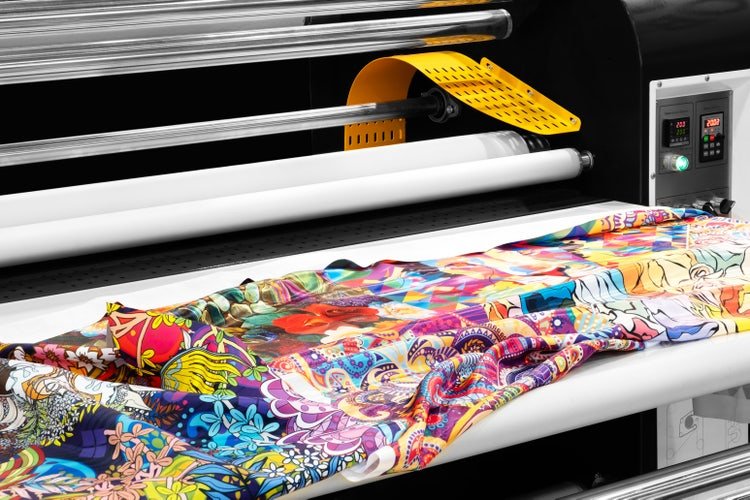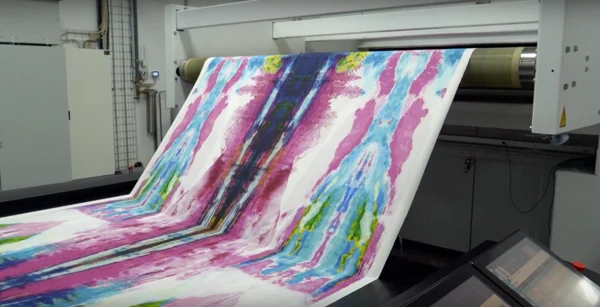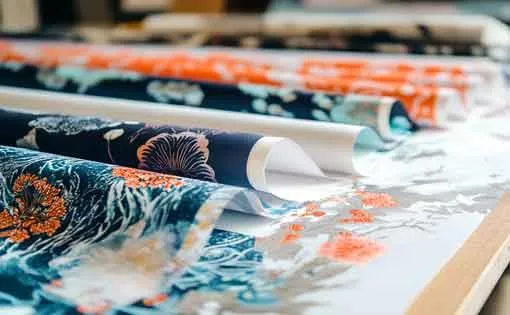
As the fashion industry faces increasing pressure to reduce its environmental impact, brands and manufacturers are turning to more responsible production methods. One area seeing rapid innovation is textile printing, where the shift toward eco-friendly textile inks is helping drive sustainability in both small studios and large-scale operations. These inks offer a range of advantages, from reducing pollution to improving workplace safety, making them a key component in the movement toward greener apparel.
For those interested in the technical side of fabric decoration, exploring the guide to dye sublimation printing on polyester can provide valuable insights into sustainable printing methods. Understanding the role of environmentally conscious inks is essential for anyone committed to responsible fashion production.
Understanding Eco-Conscious Textile Printing
Traditional textile inks often contain chemicals and heavy metals that can harm the environment and pose risks to workers. In contrast, eco-friendly textile inks are formulated to minimize ecological impact. They typically use water-based, plant-derived, or low-impact synthetic ingredients, and avoid hazardous substances like formaldehyde, phthalates, and azo dyes.
These inks are designed to break down more easily in the environment and are less likely to contaminate water sources during the washing and printing process. Many meet international certifications such as OEKO-TEX® or GOTS, which set strict standards for chemical safety and environmental responsibility.
Key Environmental Advantages of Sustainable Textile Inks
The shift to greener ink technologies brings several important ecological benefits:
- Reduced Water Pollution: Water-based and low-impact inks release fewer toxic substances into wastewater, helping protect aquatic life and local communities.
- Lower Carbon Footprint: Many eco inks require less energy to produce and cure, cutting greenhouse gas emissions throughout the supply chain.
- Safer Waste Management: Because these inks avoid persistent pollutants, waste from the printing process is easier to treat and dispose of responsibly.
- Biodegradability: Some sustainable inks are designed to break down naturally, reducing long-term environmental impact.
Health and Safety Improvements in the Workplace
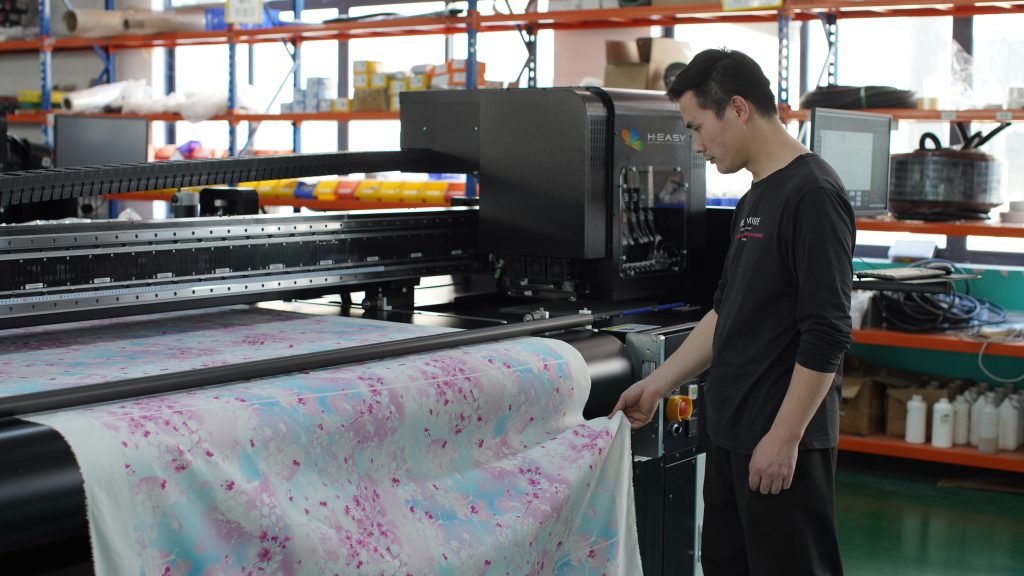
One of the less-discussed but equally important benefits of eco-friendly textile inks is the positive impact on worker health and safety. Conventional inks may emit volatile organic compounds (VOCs) and other hazardous fumes, especially during curing or drying. Prolonged exposure can lead to respiratory issues, skin irritation, and other health problems.
In contrast, environmentally conscious inks are formulated to be low-odor and free from many harmful chemicals. This creates a safer and more comfortable environment for print technicians and other staff, while also reducing the need for specialized ventilation or protective equipment.
Supporting Sustainable Fashion Brands
As consumers become more aware of the environmental impact of their clothing, demand for sustainably produced garments continues to rise. Brands that adopt eco-friendly textile inks can credibly market their products as safer for the planet and for people. This not only helps meet regulatory requirements but also builds trust with eco-conscious shoppers.
Incorporating sustainable inks into production processes can also support a brand’s broader environmental goals, such as reducing water and energy usage or achieving zero-discharge targets. For those looking to enter the industry, learning how to start a fashion printing business with a focus on sustainability can offer a competitive edge in a crowded market.

Performance and Quality Considerations
There’s a common misconception that sustainable inks compromise on color vibrancy or durability. However, advances in ink technology mean that many eco-friendly options now rival or even surpass traditional inks in terms of performance. Water-based pigment inks, for example, can produce sharp, vivid prints with excellent wash and rub resistance.
For those interested in the technical aspects, the what is digital textile printing article explains how modern printing methods are compatible with a wide range of sustainable ink formulations. This ensures that brands do not have to sacrifice quality for environmental responsibility.
Cost and Operational Efficiency
While the initial price of eco inks may be slightly higher than some conventional alternatives, the long-term savings can be significant. Reduced waste treatment costs, lower energy consumption, and fewer workplace safety incidents all contribute to operational efficiency. Additionally, compliance with environmental regulations is easier, reducing the risk of fines or production delays.
Many suppliers now offer bulk purchasing and technical support for sustainable inks, making it easier for businesses of all sizes to make the switch. For those preparing to transition, reviewing the how to prepare artwork for fabric printing guide can help ensure optimal results with new ink systems.
Comparing Printing Methods for Sustainability
Not all printing techniques are equally suited to sustainable ink use. Digital printing, for instance, is highly compatible with water-based and low-impact inks, allowing for precise application and minimal waste. Screen printing can also be made more eco-friendly by using certified inks and reclaiming screens responsibly.
For a deeper look at the pros and cons of different approaches, the difference between screen printing and digital printing for apparel article provides a helpful comparison, including environmental considerations.
Industry Certifications and Standards
When selecting sustainable inks, it’s important to look for recognized certifications. Labels such as OEKO-TEX® Standard 100, GOTS, and Bluesign® indicate that inks have been independently tested for harmful substances and meet strict environmental criteria. These certifications can also help brands demonstrate compliance to customers and regulators.
For more information on digital printing processes and their environmental impact, the digital textile printing overview offers a comprehensive look at current technologies and best practices.
Frequently Asked Questions
What makes an ink eco-friendly in textile printing?
Eco inks are formulated to reduce environmental and health risks. They use safer raw materials, avoid hazardous chemicals, and are often water-based or plant-derived. Many also meet international standards for biodegradability and chemical safety.
Are sustainable inks as durable as traditional ones?
Yes, modern eco-friendly inks can match or exceed the durability of conventional inks. Advances in pigment and binder technology ensure excellent color fastness, wash resistance, and print quality.
How can brands verify the environmental claims of textile inks?
Look for certifications such as OEKO-TEX®, GOTS, or Bluesign®. These labels indicate that inks have been independently tested and meet strict environmental and safety requirements.