Dye sublimation printing has become a preferred method for producing vibrant, durable, and high-quality prints on polyester fabrics. Whether you’re a business owner, designer, or hobbyist, understanding the process and best practices is essential for achieving professional results. This comprehensive overview will walk you through the essentials of working with polyester textiles, highlight common challenges, and provide actionable advice for optimizing your workflow.
Before diving into the technical aspects, it’s worth noting that dye sublimation is especially effective on polyester due to the fabric’s molecular structure, which allows the dye to bond deeply and permanently. This makes it a top choice for sportswear, promotional items, home décor, and more. If you’re interested in related innovations in the printing industry, you might also want to explore digital printing for food-safe packaging for insights into safe and modern print solutions.
Understanding the Dye Sublimation Process for Polyester
At its core, dye sublimation is a chemical process where solid dye particles are transformed directly into gas without passing through a liquid phase. This gaseous dye then penetrates the polyester fibers, resulting in a print that is both vivid and highly resistant to fading or washing out.
The process involves several key steps:
- Printing your design onto special transfer paper using sublimation inks.
- Placing the printed transfer paper onto the polyester fabric.
- Applying heat and pressure (typically with a heat press) to transfer the dye into the fabric.
The result is a permanent, full-color image that becomes part of the fabric itself, rather than sitting on top like traditional screen printing.
Choosing the Right Polyester Fabric for Sublimation
Not all polyester fabrics are created equal when it comes to sublimation. For best results, use materials that are at least 65% polyester, though 100% polyester will yield the most vibrant and long-lasting prints. Blends with a high polyester content can work, but the color intensity may be reduced.
Consider the following when selecting your fabric:
- Weave and Texture: Smooth, tightly woven fabrics allow for sharper details and more even color distribution.
- Color: Sublimation works best on white or light-colored polyester, as the process does not print white ink and colors are most accurate on a neutral base.
- Finish: Matte or glossy finishes can impact the final look. Matte is often preferred for apparel, while glossy may be used for banners or flags.
Always test a small sample before committing to a full production run to ensure compatibility and desired results.
Essential Equipment and Supplies for Dye Sublimation Printing
Setting up for successful polyester printing requires specific tools and materials. Here’s a checklist to get started:
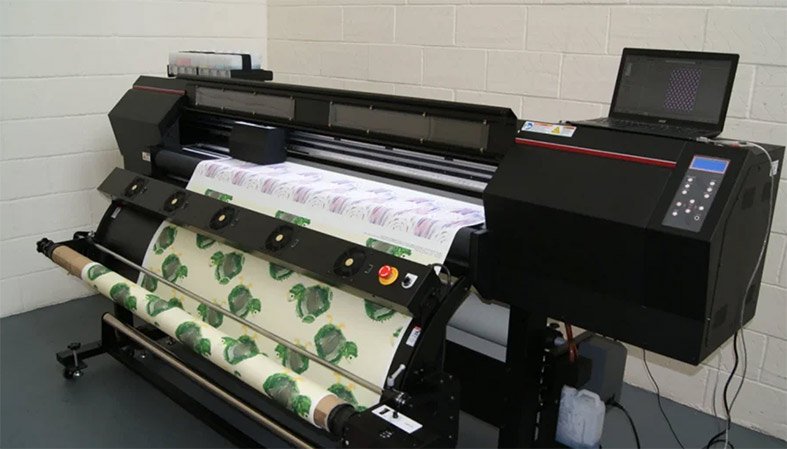
- Sublimation Printer: A dedicated printer with compatible sublimation inks is necessary. These printers are designed to handle the unique properties of sublimation dyes.
- Transfer Paper: Specially coated paper that holds the dye and releases it efficiently during the heat transfer process.
- Heat Press: A reliable heat press ensures even temperature and pressure, which are critical for consistent results.
- Protective Paper or Teflon Sheets: These prevent ink bleed-through and protect your equipment.
- Lint Roller: Removing dust and fibers from the fabric before pressing helps avoid imperfections.
Investing in quality equipment pays off in the form of sharper images, better color accuracy, and fewer production issues.
Tips for Achieving the Best Results with Polyester Sublimation
To maximize the quality and durability of your prints, keep these practical tips in mind:
- Pre-Press the Fabric: Briefly pressing the polyester before applying the transfer removes moisture and wrinkles, ensuring a smooth print.
- Monitor Temperature and Time: Most polyester sublimation is done at 380–400°F (193–204°C) for 35–60 seconds. Adjust as needed based on fabric thickness and equipment.
- Apply Even Pressure: Inconsistent pressure can cause blurry or uneven prints. Make sure your heat press is calibrated and the surface is flat.
- Use High-Resolution Artwork: Since sublimation can reproduce fine details, start with crisp, high-quality images for best results.
- Handle Transfers Carefully: Avoid shifting the transfer paper during pressing, as this can cause ghosting or double images.
For those interested in broader applications of digital textile printing, you can find more information from resources like this overview of digital textile printing methods.
Common Challenges and How to Overcome Them
Even with the right setup, you may encounter some obstacles when working with polyester and sublimation. Here are a few typical issues and solutions:
- Faded or Dull Colors: This often results from using fabrics with too low a polyester content or insufficient heat/pressure. Always verify your materials and equipment settings.
- Blurry Images: Movement during pressing or uneven pressure can cause this. Secure the transfer paper and ensure your press is level.
- Uneven Transfers: Moisture in the fabric or transfer paper can lead to patchy prints. Pre-press fabrics and store transfer paper in a dry environment.
- Color Shifts: Monitor your color profiles and calibrate your printer regularly to maintain color accuracy.
Regular maintenance of your equipment and careful attention to process details will help minimize these issues and improve your overall results.
Expanding Your Skills in Polyester Sublimation
As you gain experience with dye sublimation on polyester, consider experimenting with different fabric types, transfer techniques, and design styles. Try layering effects, combining sublimation with embroidery or other embellishments, or exploring specialty polyester products like performance wear or home textiles.
Staying up to date with industry trends and new technologies can also help you stay competitive and creative. For those in related fields, understanding advances in food-safe packaging design trends can offer inspiration for innovative print applications.
Frequently Asked Questions
What type of polyester fabric works best for dye sublimation?
The most vibrant and durable results are achieved with 100% polyester fabrics. While blends with at least 65% polyester can be used, the color intensity may be reduced. Always choose a smooth, white or light-colored fabric for optimal image clarity.
Can dye sublimation be used on dark or colored polyester?
Sublimation dyes are transparent and do not print white, so the process is best suited for white or very light-colored polyester. Printing on dark fabrics will result in muted or inaccurate colors, as the fabric color will show through.
How do I prevent ghosting or blurry images during sublimation?
To avoid ghosting, make sure the transfer paper is securely in place and does not shift during pressing. Use even pressure and the correct temperature and time settings. Pre-pressing the fabric and using a lint roller can also help ensure a clean, sharp image.