“`html
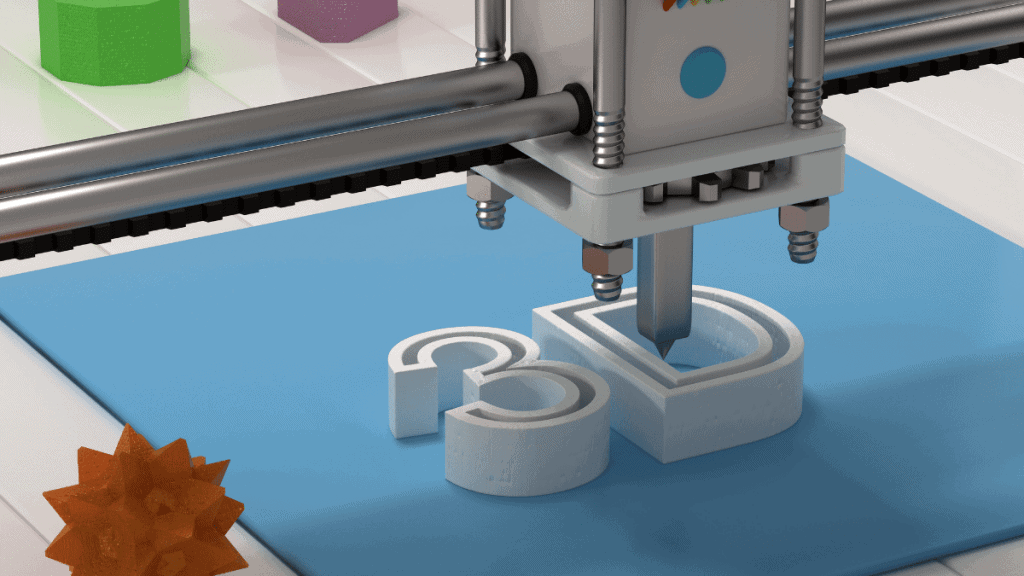
The integration of artificial intelligence and robotics into the world of 3D printing is revolutionizing how products are manufactured. These advanced technologies bring about smarter production processes, enhancing efficiency, precision, and customization capabilities. As industries continue to evolve, understanding the role of AI and robotics in additive manufacturing becomes crucial.
For those interested in exploring other printing techniques, you might find our guide on cleaning screen printing meshes helpful.
Enhancing Efficiency with AI
Artificial intelligence plays a pivotal role in optimizing 3D printing processes. By analyzing data and predicting potential issues, AI systems can significantly reduce waste and improve the quality of printed objects. This predictive capability allows for real-time adjustments, ensuring that each layer of material is deposited with precision.
The Role of Robotics in Automation
Robotics complements AI by automating repetitive tasks in 3D printing. Robots can handle material loading, part removal, and even post-processing tasks, freeing up human operators for more complex decision-making. This automation not only speeds up production but also minimizes human error, leading to more consistent and reliable outputs.

Customization and Flexibility
One of the most significant advantages of integrating AI and robotics in additive manufacturing is the ability to offer customized solutions. AI algorithms can quickly adjust designs to meet specific customer requirements, while robotic systems can adapt to different production setups without extensive reconfiguration. This flexibility is particularly beneficial in industries such as healthcare and aerospace, where bespoke solutions are often required.
Challenges and Considerations
Despite the numerous benefits, there are challenges to consider when implementing AI and robotics in 3D printing. The initial cost of setting up these systems can be high, and there is a learning curve associated with their operation. Additionally, ensuring data security and managing the integration of new technologies with existing systems are critical considerations for businesses.
Future Prospects
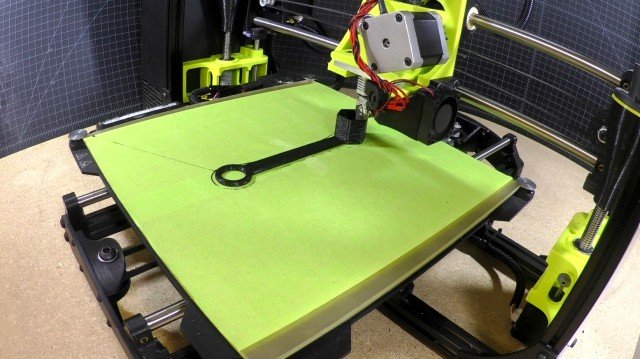
The future of 3D printing with AI and robotics looks promising. As technology advances, we can expect even more sophisticated systems that further enhance production capabilities. Innovations in machine learning and robotics will likely lead to more autonomous and intelligent manufacturing processes, paving the way for new applications and industries.
For a broader understanding of 3D printing, consider reading about what 3D printing entails and its various applications.
FAQs
How Does AI Improve 3D Printing?
AI enhances 3D printing by optimizing design processes, predicting potential errors, and enabling real-time adjustments to improve the quality and efficiency of production.
What Role Do Robots Play in 3D Printing?
Robots automate various tasks in 3D printing, such as material handling and post-processing, which increases production speed and reduces human error.
Are There Any Downsides to Using AI and Robotics in 3D Printing?
While there are many benefits, challenges include high initial costs, a steep learning curve, and the need for data security and system integration.
“`