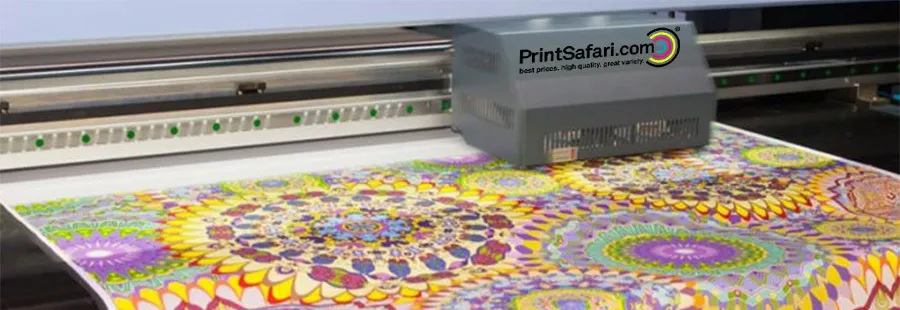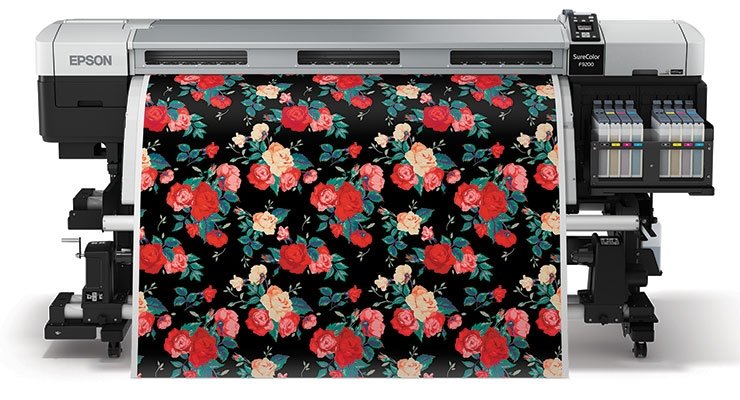
The textile industry is a cornerstone of global manufacturing, but its processes have significant implications for the environment. Among these, textile printing stands out for its use of chemicals, water, and energy. As demand for vibrant, customized fabrics increases, so does scrutiny of the ecological footprint associated with printing methods. Understanding what is the environmental impact of textile printing is essential for businesses, designers, and consumers seeking more sustainable choices.
Modern textile decoration techniques range from traditional screen printing to advanced digital methods. Each approach has unique effects on resource consumption, pollution, and waste generation. By examining these impacts, we can identify opportunities for improvement and support the shift toward greener practices.
For those interested in the technical side of textile printing, including maintenance and best practices, you may find this resource on how to clean screen printing meshes helpful.
Key Factors Influencing Textile Printing’s Ecological Footprint
The environmental consequences of textile printing are shaped by several core factors. These include the type of printing technology, the nature of inks and dyes, water and energy usage, and waste management practices. Let’s look at each of these in detail.
- Printing Technology: Traditional methods like rotary and flatbed screen printing often require large volumes of water and chemicals. In contrast, digital printing technologies tend to use less water and generate less waste.
- Inks and Dyes: The composition of inks—whether water-based, solvent-based, or pigment-based—affects toxicity and biodegradability. Some dyes contain heavy metals or hazardous substances that can leach into waterways.
- Resource Consumption: Both water and energy are consumed in significant quantities, especially in processes involving washing, steaming, and drying.
- Waste Generation: Offcuts, misprints, and leftover chemicals contribute to solid and liquid waste streams.
Comparing Traditional and Digital Textile Printing Methods
The shift from conventional to digital printing has brought notable changes in the industry’s sustainability profile. Here’s how the two main categories compare in terms of their environmental effects:
Traditional Techniques and Their Environmental Challenges
Rotary and flatbed screen printing have long been industry standards. However, these methods are resource-intensive. They typically involve:
- High water usage for washing screens and fabrics
- Significant chemical consumption for preparing and cleaning screens
- Generation of large amounts of wastewater, often containing dyes and toxic substances
- Energy-intensive drying and curing processes
Wastewater from these operations can carry pollutants into local ecosystems if not properly treated, contributing to water pollution and harming aquatic life.
Digital Printing: A Step Toward Sustainability?
Digital textile printing, which includes inkjet and direct-to-garment (DTG) technologies, offers several environmental advantages:
- Reduced water consumption—some digital processes are virtually waterless
- Lower chemical usage, as there is no need for screen preparation or cleaning
- Less ink waste, since digital printers deposit color only where needed
- Smaller production runs and on-demand printing, minimizing overproduction and waste
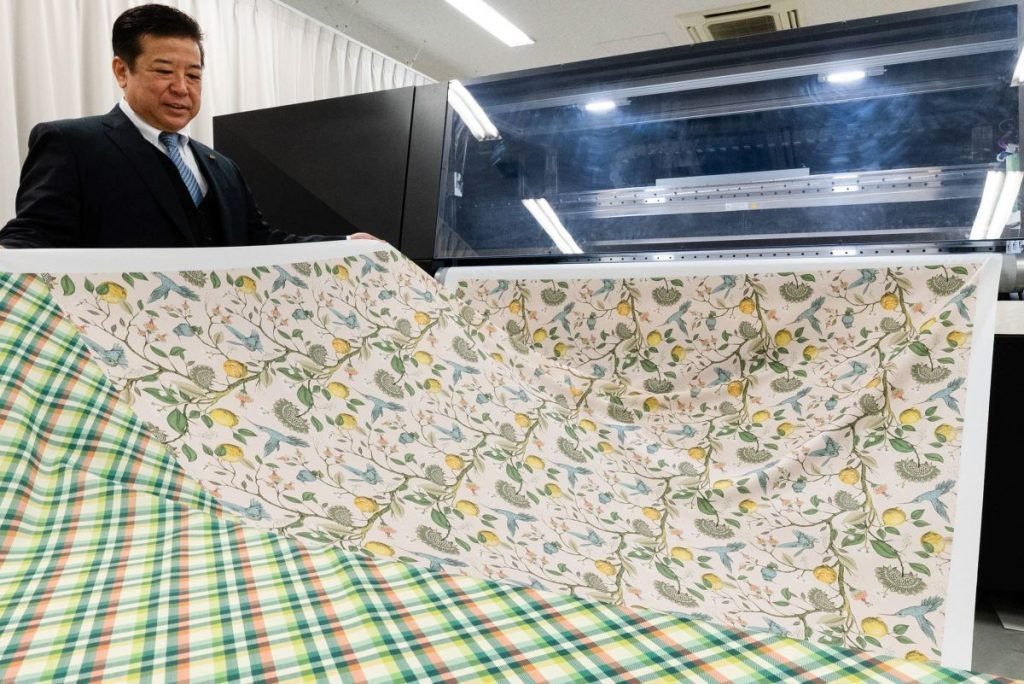
While digital printing is not entirely without impact—energy use and ink composition still matter—it generally represents a more eco-friendly option. For a deeper dive into digital methods, see this comprehensive overview of digital textile printing.
Water and Chemical Usage in Textile Printing
Water is a critical resource in textile manufacturing, especially in dyeing and printing. Traditional screen printing can consume tens of liters of water per meter of fabric, mainly for washing screens and fabrics. The resulting wastewater often contains residual dyes, salts, and fixatives that are difficult to treat.
Chemical use is another concern. Many conventional inks and dyes contain substances that are not easily biodegradable. Some may include heavy metals or formaldehyde-based resins, which can be hazardous to both human health and the environment if released untreated.
Digital printing technologies have made strides in reducing both water and chemical consumption. Water-based pigment inks, for example, are less toxic and require fewer auxiliary chemicals. However, the environmental profile of digital inks varies, and proper disposal remains important.
Energy Consumption and Carbon Footprint
Textile printing processes require energy for heating, drying, and curing. Traditional methods often rely on large, energy-hungry machines and ovens. The carbon emissions associated with this energy use contribute to climate change.
Digital printing equipment is generally more energy-efficient, especially when printing small batches or customized designs. By enabling on-demand production, digital methods can also reduce the need for warehousing and transportation, further lowering the overall carbon footprint.

Waste Management and Pollution Control
Waste from textile printing includes leftover inks, misprinted fabrics, and offcuts. In traditional setups, the volume of waste can be substantial, especially during setup and cleanup. If not managed properly, these materials can end up in landfills or pollute water sources.
Advances in digital printing have helped reduce waste by enabling precise application of inks and minimizing setup requirements. Some manufacturers are also exploring closed-loop systems that recycle water and recover chemicals, further reducing environmental harm.
Innovations and Sustainable Alternatives
The textile sector is actively seeking ways to minimize its environmental burden. Some promising developments include:
- Eco-friendly Inks: Water-based and plant-derived inks are gaining popularity for their lower toxicity and improved biodegradability.
- Energy-efficient Equipment: Newer machines are designed to use less power and operate at lower temperatures.
- Recycled and Organic Fabrics: Printing on sustainable substrates reduces the overall impact of finished products.
- Wastewater Treatment: Advanced filtration and treatment systems help remove pollutants before water is discharged.
These innovations, combined with responsible sourcing and production practices, are helping the industry move toward a more sustainable future.
How Consumers and Businesses Can Make a Difference
While manufacturers play a crucial role, consumers and brands also influence the environmental outcomes of textile printing. Here are some practical steps:
- Choose products made with eco-friendly inks and sustainable fabrics
- Support brands that prioritize responsible manufacturing and transparent supply chains
- Opt for digital printing when possible, especially for small runs or custom designs
- Encourage recycling and proper disposal of printed textiles
For those interested in exploring alternative printing techniques, our guide to sublimation vs direct to film printing provides additional insights into sustainable options.
Frequently Asked Questions
Does digital textile printing eliminate all environmental concerns?
Digital methods significantly reduce water and chemical use, but they still require energy and may use inks with environmental impacts. Responsible sourcing and waste management remain important.
Are eco-friendly inks as durable as conventional inks?
Many water-based and plant-derived inks now offer comparable durability and colorfastness to traditional options, though performance can vary by application and fabric type.
What steps can small businesses take to reduce their printing impact?
Small businesses can choose digital printing, use sustainable fabrics, opt for eco-friendly inks, and work with suppliers who prioritize environmental responsibility.
How does textile printing compare to other stages of textile production in terms of environmental impact?
While printing is a significant contributor, processes like dyeing and finishing often have even greater impacts due to their intensive use of water, energy, and chemicals. However, improvements in printing can still make a meaningful difference.
Where can I learn more about sustainable textile printing?
Industry blogs, manufacturer resources, and sustainability-focused organizations offer valuable information. For example, the SPGPrints blog on digital textile printing provides in-depth coverage of eco-friendly innovations.