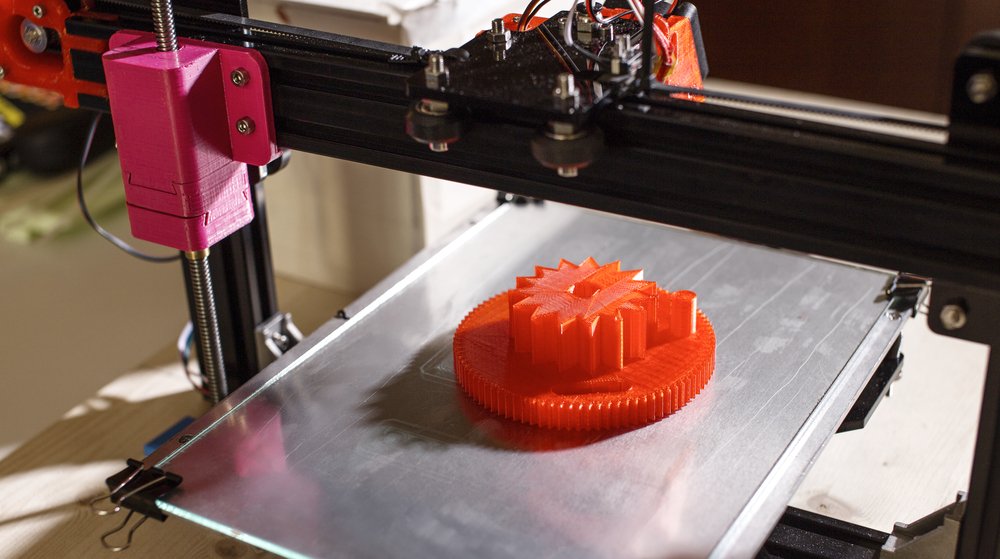
The advent of 3D printing technology has revolutionized various industries, and the energy sector is no exception. One of the most promising applications is the printing of solar panels, which could significantly impact how we harness solar energy. This guide explores the potential of 3D printing in creating solar panels, its benefits, and the challenges it faces.
Before diving into the specifics, it’s worth noting the broader context of 3D printing. This technology allows for the creation of complex structures layer by layer, offering unprecedented customization and efficiency. For more insights into how this technology works, you can read about how 3D printing functions.
As we explore the potential of 3D printed solar panels, it’s essential to consider other innovative printing methods. For instance, understanding how to clean screen printing meshes can provide insights into maintaining the quality of printed materials.
Advantages of 3D Printed Solar Panels
The use of 3D printing in solar panel production offers numerous advantages. Firstly, it allows for cost-effective manufacturing. Traditional solar panel production involves expensive materials and processes, whereas 3D printing can significantly reduce these costs by using less material and creating less waste.
Another advantage is the ability to customize solar panels to specific needs and environments. This customization can lead to more efficient energy capture and use, as panels can be tailored to the exact requirements of a location or application.
Challenges and Considerations
Despite its potential, the 3D printing of solar panels faces several challenges. One major hurdle is the durability of the materials used in 3D printing. While traditional panels are made from robust materials like silicon, 3D printed panels need to ensure similar longevity and efficiency.
Additionally, the technology is still in its infancy, meaning that widespread adoption will require further research and development. Overcoming these challenges will be crucial for the technology to become a mainstream solution in the energy sector.
Future Prospects of 3D Printed Solar Panels
Looking ahead, the future of solar energy with 3D printing is promising. As technology advances, we can expect improvements in the efficiency and durability of 3D printed panels. This progress could lead to more widespread adoption, making solar energy more accessible and affordable worldwide.
Moreover, the integration of 3D printing with other technologies, such as artificial intelligence and the Internet of Things, could further enhance the capabilities of solar panels. These advancements could lead to smarter, more efficient energy systems that are better suited to meet the demands of a growing population.
FAQs
What are the benefits of 3D printed solar panels?
3D printed solar panels offer cost-effective manufacturing, reduced material waste, and the ability to customize panels for specific needs, leading to more efficient energy capture.
What challenges do 3D printed solar panels face?
The main challenges include ensuring the durability and efficiency of the materials used and advancing the technology to make it a mainstream solution.
How does 3D printing impact the future of solar energy?
3D printing has the potential to make solar energy more accessible and affordable, with advancements in technology leading to smarter and more efficient energy systems.