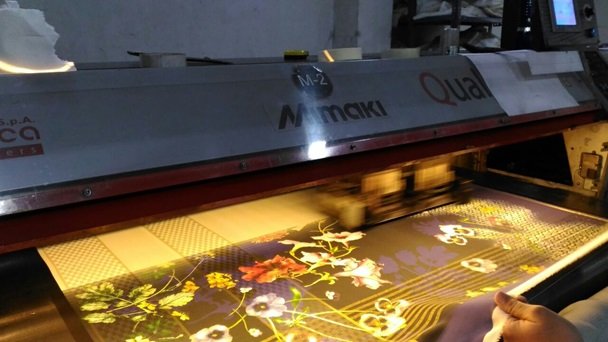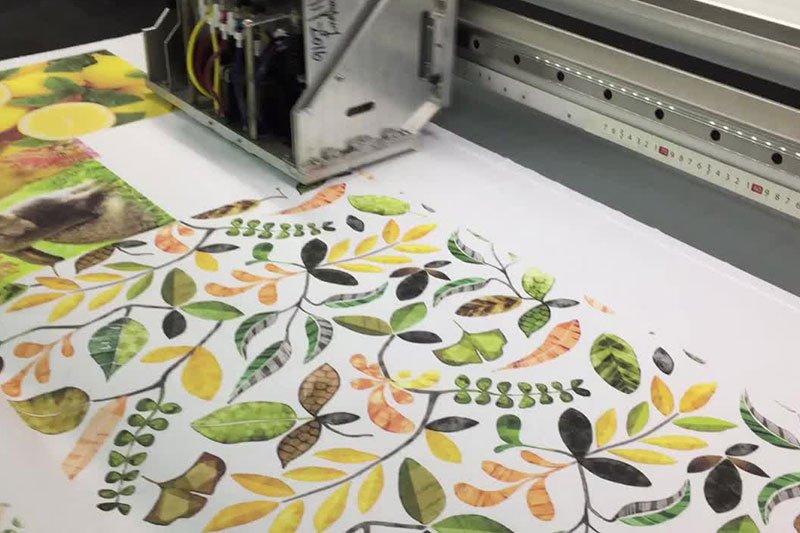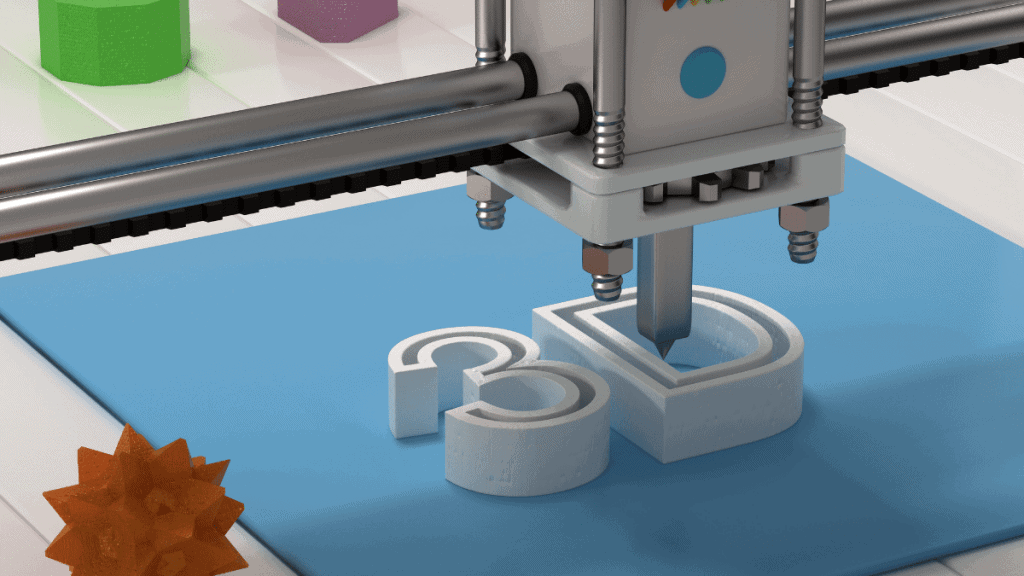
The convergence of AI and robotics in 3D printing is transforming how industries approach manufacturing, prototyping, and product development. As artificial intelligence and robotics become more integrated into additive manufacturing, businesses are discovering new ways to automate workflows, improve quality, and reduce costs. This guide explores how these technologies are driving smarter, more efficient production processes, and what this means for the future of manufacturing.
Understanding the impact of advanced automation in 3D printing requires a look at both the technology and its practical applications. From automated print monitoring to intelligent material handling, the synergy between robotics and AI is unlocking new levels of productivity. For those interested in garment decoration, you may also want to learn about what is soft hand feel in garment printing and how it relates to modern production methods.
How Artificial Intelligence Enhances Additive Manufacturing
Artificial intelligence is increasingly used to optimize every stage of the 3D printing workflow. By analyzing vast amounts of data, AI algorithms can predict potential failures, suggest design improvements, and automate quality control. Here are some of the ways AI is making additive manufacturing smarter:
- Predictive Maintenance: Machine learning models monitor printer health, identifying issues before they cause downtime.
- Automated Design Optimization: AI-driven software can generate complex geometries and optimize part structures for strength and material efficiency.
- Real-Time Process Monitoring: Cameras and sensors feed data to AI systems, which adjust print parameters on the fly to ensure consistent quality.
- Defect Detection: Computer vision algorithms spot flaws during printing, reducing waste and rework.
These advancements allow manufacturers to produce more reliable parts, reduce manual oversight, and accelerate product development cycles.
Robotics: Automating the 3D Printing Workflow
Robotics plays a crucial role in automating the physical aspects of additive manufacturing. From material handling to post-processing, robots are streamlining tasks that were once labor-intensive and error-prone. In modern production environments, you’ll find robots performing:
- Automated Material Loading: Robots can load filament, resin, or powder into printers, minimizing human intervention.
- Part Removal and Sorting: After printing, robotic arms remove finished parts and sort them for further processing.
- Surface Finishing: Robots equipped with sanding, polishing, or painting tools can finish parts to precise specifications.
- Assembly Operations: In some advanced setups, robots assemble multiple printed components into final products.
By integrating robotics, manufacturers can achieve higher throughput, consistent quality, and safer working conditions.

Benefits of Intelligent Automation in 3D Printing
The integration of AI and robotics in 3D printing brings a host of benefits to manufacturers, designers, and end-users. Some of the most significant advantages include:
- Increased Productivity: Automated systems can operate around the clock, boosting output without increasing labor costs.
- Improved Consistency: AI-driven monitoring and robotic precision ensure each part meets strict quality standards.
- Reduced Waste: Intelligent defect detection and process optimization minimize material usage and scrap rates.
- Faster Time to Market: Automation accelerates prototyping and production, helping businesses respond quickly to market demands.
- Enhanced Flexibility: Smart systems can adapt to new designs, materials, or production requirements with minimal reconfiguration.
These benefits are particularly valuable in industries such as aerospace, automotive, healthcare, and consumer products, where customization and rapid iteration are key competitive advantages.
Real-World Applications and Industry Examples
Across the globe, forward-thinking companies are leveraging smart automation in additive manufacturing to gain an edge. Some notable examples include:
- Aerospace: Aircraft manufacturers use AI-powered 3D printers to produce lightweight, complex parts that would be difficult or impossible to make with traditional methods.
- Healthcare: Hospitals and medical device companies employ robotics and AI to create custom implants, prosthetics, and surgical tools tailored to individual patients.
- Automotive: Car makers integrate robotic arms with 3D printers for rapid prototyping and production of specialized components.
- Consumer Goods: Companies in fashion and design use automated additive manufacturing to produce unique, made-to-order products at scale.
For a deeper dive into how micro-factory models are shaping the future of fashion production, see the benefits of micro-factory models for fashion printing.
Challenges and Considerations for Smart Additive Manufacturing
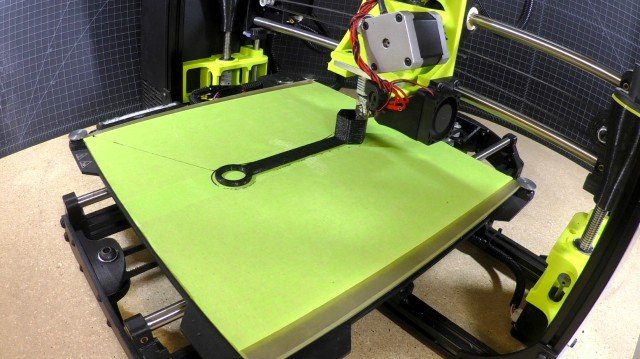
While the benefits of automation are clear, implementing AI and robotics in additive manufacturing does come with challenges. Some key considerations include:
- Initial Investment: Upgrading to intelligent systems requires significant capital, especially for small and medium-sized businesses.
- Integration Complexity: Combining legacy equipment with new AI and robotic solutions can be technically demanding.
- Data Security: As more manufacturing data is collected and analyzed, protecting sensitive information becomes critical.
- Workforce Training: Employees must learn to operate and maintain advanced systems, which may require new skills and ongoing education.
Despite these hurdles, the long-term gains in efficiency, quality, and competitiveness often outweigh the upfront challenges. For those interested in the fundamentals of additive manufacturing, this overview of 3D printing technology provides a helpful starting point.
Future Trends: Where Automation in 3D Printing Is Headed
The future of AI and robotics in 3D printing is marked by increasing intelligence, connectivity, and autonomy. Some trends to watch include:
- Self-Optimizing Factories: Fully automated facilities where machines communicate and adjust processes without human intervention.
- AI-Driven Customization: On-demand production of personalized products, from medical devices to fashion items, tailored by AI algorithms.
- Collaborative Robots (Cobots): Robots designed to work safely alongside humans, enhancing productivity and flexibility.
- Expanded Material Capabilities: AI-powered research is accelerating the development of new printable materials with advanced properties.
As these trends evolve, businesses that embrace smart automation will be well-positioned to lead in innovation and efficiency.
FAQ: AI and Robotics in Additive Manufacturing
How do AI and robotics improve quality control in 3D printing?
AI systems use real-time data from cameras and sensors to monitor the printing process, detecting defects or inconsistencies as they occur. Robotics can then intervene to correct issues or remove faulty parts, ensuring higher consistency and reducing waste.
Is it expensive to implement smart automation in 3D printing?
While the initial investment can be substantial, especially for advanced robotics and AI software, the long-term savings in labor, material, and time often justify the cost. Many companies see a strong return on investment through increased productivity and reduced errors.
Can small businesses benefit from AI and robotics in additive manufacturing?
Yes, even small and medium-sized enterprises can take advantage of automation. Many solutions are scalable, allowing businesses to start with basic monitoring or robotic handling and expand as their needs grow. The key is to assess which processes will benefit most from automation and invest accordingly.
For more insights on the intersection of printing technologies and modern production, explore topics like benefits of direct to film for small fashion labels and what is embroidery vs printing for brand logos.