Sublimation printing has become a popular method for producing high-quality, customized merchandise for events of all sizes. Whether for corporate gatherings, festivals, fundraisers, or trade shows, this technique offers vibrant, durable results that can help brands stand out and create memorable experiences. In this guide, we’ll explore how sublimation printing for event merchandise works, its benefits, the types of products you can create, and important considerations like costs and limitations to help you make informed decisions for your next event.

How Sublimation Printing Works for Event Merchandise
At its core, sublimation printing is a heat-transfer process that uses special inks and high temperatures to embed designs directly into the fibers of a material. Unlike surface-level printing methods, this technique turns solid dye into gas without passing through a liquid state, allowing the ink to bond with the material at a molecular level. The result is a smooth, vibrant finish that is both long-lasting and resistant to fading or peeling.
The process typically involves the following steps:
- Creating a digital design using graphic software.
- Printing the design onto transfer paper with sublimation inks.
- Placing the transfer paper onto the blank product (such as a t-shirt, mug, or tote bag).
- Applying heat and pressure using a heat press, which causes the ink to sublimate and infuse into the material.
Sublimation printing works best on polyester fabrics or polymer-coated items, as detailed in this guide on suitable fabrics for sublimation. This makes it ideal for producing custom apparel, banners, lanyards, and a wide range of promotional items commonly used at events. For a more detailed breakdown of the technical steps involved, you can refer to this helpful sublimation printing process overview.
Advantages of Sublimation Printing at Events
There are several compelling reasons why event organizers and businesses are increasingly choosing sublimation printing for event merchandise:
- Vibrant, Full-Color Designs: Sublimation allows for photo-quality images and complex graphics, making it possible to reproduce logos, artwork, and branding elements in stunning detail.
- Durability: Because the ink becomes part of the material, the finished product is resistant to cracking, peeling, or washing out. This is especially important for items like t-shirts and tote bags that may see frequent use.
- Comfort and Feel: The process does not add any noticeable texture or weight to fabric, so apparel remains soft and breathable.
- Customization On Demand: Live sublimation printing at events enables real-time customization, allowing attendees to personalize their merchandise with names, photos, or unique designs. This interactive experience not only boosts engagement but also creates lasting memories associated with your brand.
Live printing setups can be a major attraction at events, drawing crowds and encouraging social sharing. According to industry sources, live sublimation printing enhances brand experience by providing instant, high-quality customized products that attendees are excited to receive and use.
Materials and Products Suitable for Sublimation
For the best results, sublimation printing should be used on materials that are receptive to the dye-sub process. The most common options include:
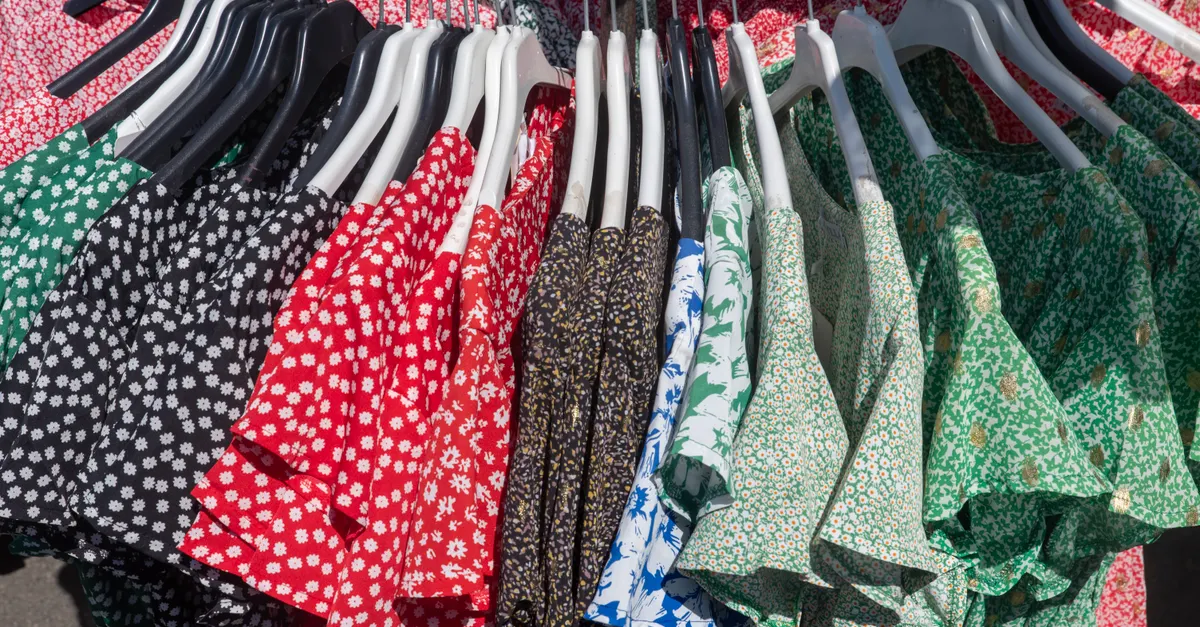
- Polyester Fabrics: T-shirts, jerseys, lanyards, and banners made from 100% polyester or high-poly blends are ideal for vibrant, durable prints.
- Polymer-Coated Hard Goods: Items such as mugs, water bottles, phone cases, mouse pads, and keychains can be coated to accept sublimation inks.
- Specialty Items: Event planners can also create custom socks, hats, face masks, and even signage using suitable substrates.
It’s important to note that natural fibers like cotton do not bond with sublimation inks, so products must be specifically chosen or treated for compatibility. For more insights on designing specific items, such as phone cases, with this method, you might explore resources on sublimation printing for phone cases.
Cost Analysis: Budgeting for Sublimation Printing at Events
Understanding the costs involved in producing event merchandise with sublimation printing is crucial for effective planning. Several factors influence the overall budget:
- Quantity: Larger orders typically benefit from economies of scale, reducing the cost per item. However, sublimation is also cost-effective for small batches or even one-off items, especially when customization is required.
- Product Type: The base cost of blank items (e.g., t-shirts, mugs, lanyards) varies widely depending on material quality and size.
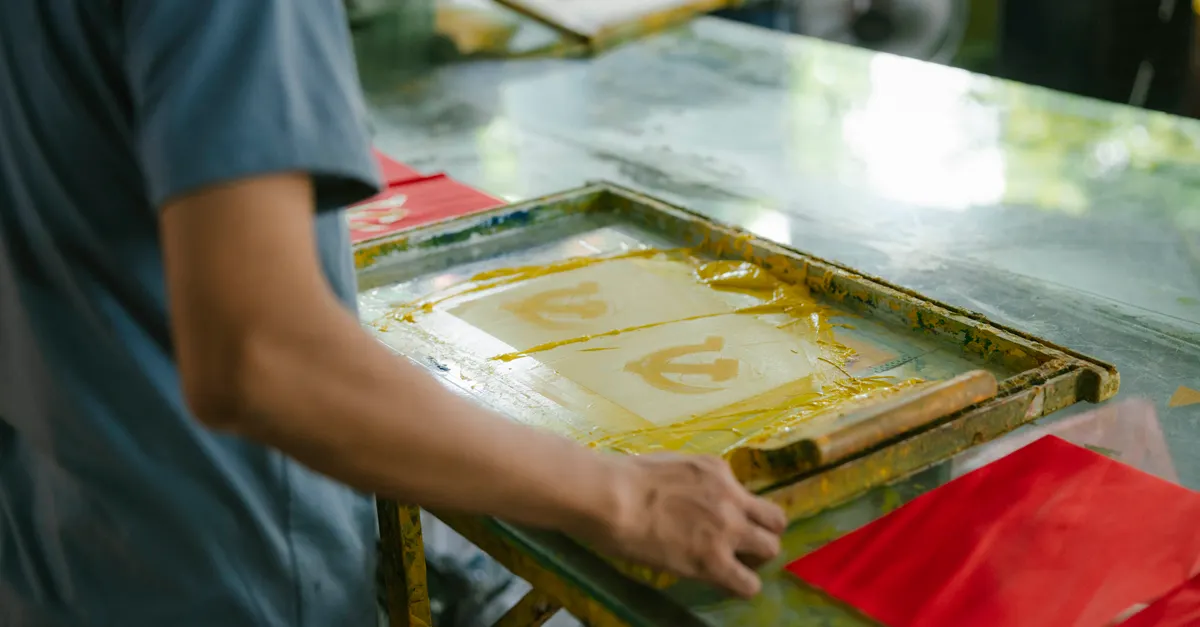
- Design Complexity: Full-color, edge-to-edge designs do not generally increase the cost with sublimation, unlike screen printing where each color adds to the price. However, highly customized or variable data (such as individual names) may require more setup time.
- Setup and Equipment: For live event printing, there may be additional costs for equipment rental, staffing, and on-site logistics.
- Finishing and Packaging: Extras like individual packaging, labeling, or special finishes can add to the total expense.
While exact pricing will depend on your specific needs and vendor, sublimation printing is often more affordable than other full-color methods for short runs and offers excellent value for high-impact, customized merchandise. For large-scale events, it’s wise to request detailed quotes from suppliers and factor in all potential add-ons to avoid surprises.
Potential Drawbacks and Limitations
Despite its many benefits, sublimation printing for event merchandise does have some limitations that event planners should consider:
- Material Restrictions: Sublimation works best on polyester or polymer-coated surfaces. It is not suitable for 100% cotton or untreated natural fibers, which can limit product choices.
- Color Limitations: The process is most effective on white or light-colored substrates. Dark fabrics cannot be printed with true-to-design colors, as the inks are translucent and do not provide an opaque base.
- Initial Equipment Investment: For organizations considering in-house production, the upfront cost of printers, heat presses, and supplies can be significant, though this is less of a concern when working with a print service provider.
- Environmental Considerations: While the process itself produces minimal waste, the use of polyester and polymer coatings may not align with every organization’s sustainability goals.
- Product Size and Shape: Extremely large or irregularly shaped items may not fit standard heat presses, limiting the range of products that can be customized on-site.
By understanding these limitations, event planners can better select products and printing methods that align with their goals and audience expectations.

Conclusion: Maximizing Impact with Sublimation Printing
Sublimation printing offers a powerful way to create eye-catching, durable merchandise that enhances the attendee experience and reinforces your brand at events. Its ability to deliver vibrant, fully customized products—often on demand—makes it a top choice for event organizers seeking both quality and flexibility. However, it’s important to weigh the material requirements, cost factors, and potential limitations when planning your merchandise strategy. By doing so, you can ensure your event giveaways and branded items leave a lasting impression.
Frequently Asked Questions
What types of events benefit most from sublimation printing?
Any event that values high-quality, personalized merchandise can benefit, including corporate conferences, festivals, sports tournaments, fundraisers, and trade shows. The ability to offer on-the-spot customization is especially appealing for attendee engagement.
Can sublimation printing be used on any fabric?
No, sublimation printing is best suited for polyester fabrics or items with a polymer coating. It does not work well on cotton or dark-colored materials, as the inks require a light, synthetic surface to bond effectively.
Is sublimation printing cost-effective for small quantities?
Yes, one of the advantages of this method is its suitability for small runs and individual customization without significant setup costs. This makes it ideal for events with limited quantities or where personalization is a key feature.