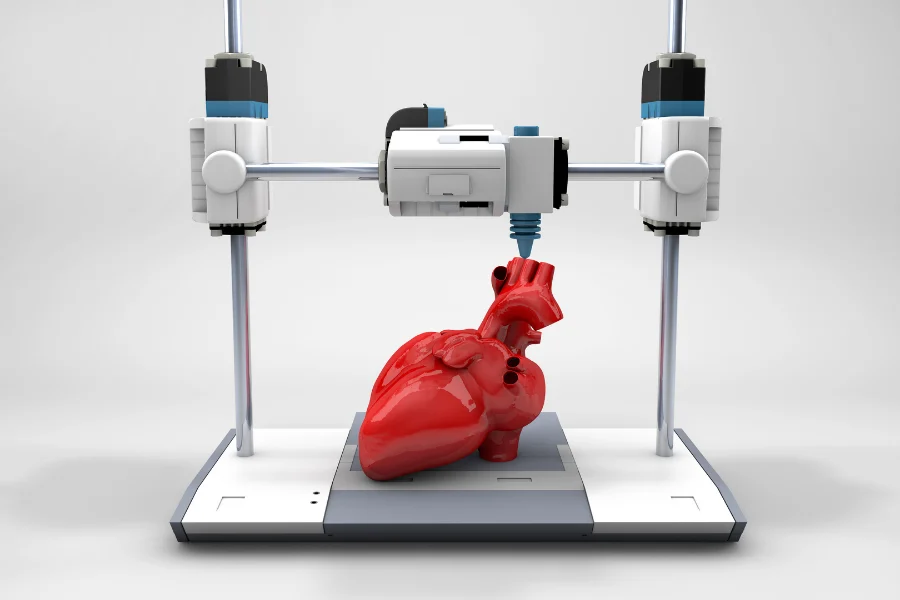
The intersection of technology and creativity has always driven new possibilities in visual culture. 3D printing in art and design is one of the most exciting developments of recent years, enabling artists, designers, and makers to bring their visions into the physical world with unprecedented flexibility. From intricate sculptures to functional prototypes, additive manufacturing is transforming how creative professionals approach their work.
As digital fabrication becomes more accessible, both established artists and emerging talents are exploring how these tools can expand their creative horizons. Whether you’re interested in producing unique installations, experimenting with new materials, or streamlining your design process, understanding the potential of 3D printing is essential for anyone working at the cutting edge of visual expression.
For those interested in other innovative printing techniques, you might find value in learning about what is soft hand feel in garment printing and how it relates to tactile qualities in creative production.
How Additive Manufacturing Is Transforming Creative Practice
The use of 3D printing in art and design has opened up new avenues for experimentation and problem-solving. Unlike traditional subtractive methods, additive manufacturing builds objects layer by layer, allowing for complex geometries and intricate details that would be difficult or impossible to achieve otherwise.
- Rapid prototyping enables designers to iterate quickly, testing ideas and refining forms before committing to final production.
- Customization is more accessible than ever, letting artists create one-of-a-kind pieces or limited editions tailored to specific audiences.
- Material innovation is accelerating, with options ranging from plastics and resins to metals and even ceramics, each offering unique properties and visual effects.
The flexibility of additive manufacturing is especially valuable for those working in fields where traditional fabrication methods may be cost-prohibitive or technically limiting.
Creative Applications: From Sculpture to Wearable Art
Artists and designers are leveraging 3D printing to realize projects that push the boundaries of form and function. Some of the most compelling uses include:
- Sculptural works that incorporate intricate lattice structures, organic shapes, or impossible overhangs, all made possible by the precision of digital fabrication.
- Wearable art and jewelry that blends aesthetics with ergonomics, using lightweight materials and complex geometries for pieces that are both beautiful and functional.
- Architectural models that allow for detailed visualization of spaces, enabling designers to communicate ideas to clients and collaborators more effectively.
- Functional objects such as lighting fixtures, furniture components, or interactive installations, where the line between art and design is intentionally blurred.
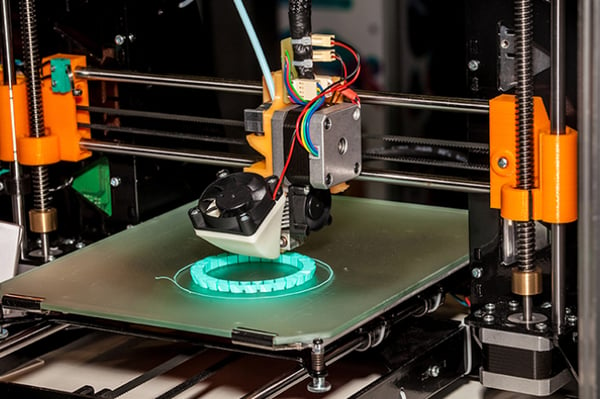
Benefits of 3D Printing for Artists and Designers
Embracing digital fabrication offers several advantages for creative professionals:
- Freedom of form: Complex designs that would be impossible to carve, cast, or mold by hand can be realized with ease.
- Cost efficiency: Prototyping and producing unique or small-batch items is more affordable, reducing waste and material costs.
- Speed: Iterative workflows mean ideas can move from concept to physical object in a matter of hours or days, not weeks.
- Accessibility: Desktop 3D printers and online fabrication services have made this technology available to independent artists, students, and small studios.
For those looking to further optimize their creative workflow, exploring the benefits of micro-factory models for fashion printing can provide additional insights into agile, on-demand production.
Innovative Ideas for Using 3D Printing in Creative Projects
The possibilities for integrating additive manufacturing into your practice are nearly limitless. Here are some inspiring directions:
- Mixed media installations: Combine printed elements with traditional materials such as wood, metal, or textiles for hybrid works that challenge expectations.
- Interactive pieces: Use modular components or kinetic mechanisms to create art that invites audience participation.
- Upcycling and sustainability: Experiment with recycled filaments or biodegradable materials to reduce environmental impact.
- Collaborative projects: Share digital files with other artists or makers, enabling distributed creation and remixing of designs.
Choosing the Right Tools and Materials
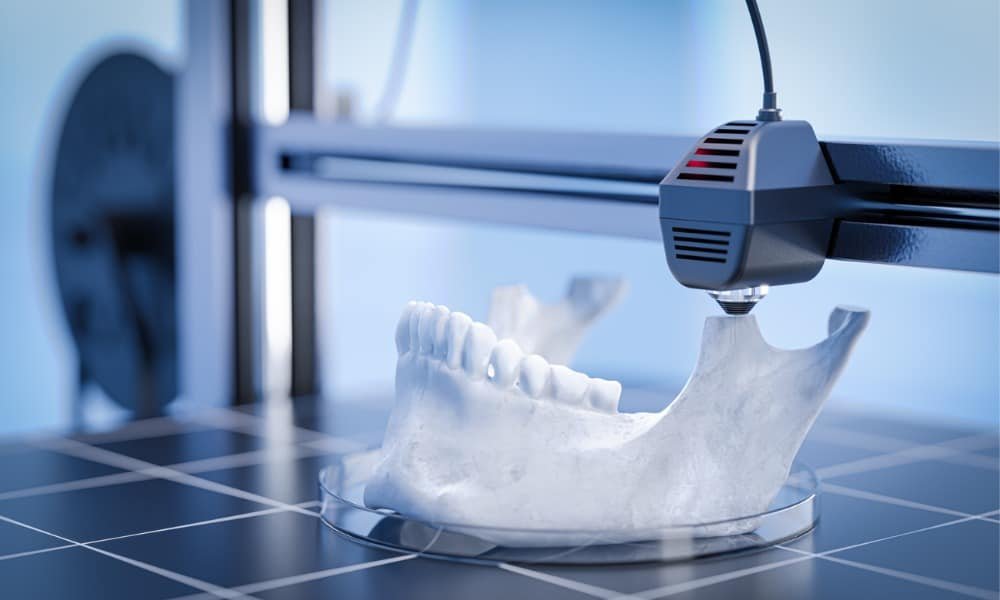
Selecting the appropriate printer and materials is crucial for achieving the desired results in your creative work. Fused Deposition Modeling (FDM) printers are popular for their affordability and versatility, while resin-based printers offer higher resolution for fine details. Materials range from standard PLA and ABS plastics to flexible, metallic, or even ceramic filaments.
If you’re new to the technology, it’s helpful to understand the basics of 3D printing and the differences between printer types, file formats, and post-processing techniques.
For those working in fashion or textiles, you may also want to explore the benefits of direct to film for small fashion labels as a complementary technology.
Overcoming Challenges in Digital Fabrication
While the advantages are significant, there are also challenges to consider. File preparation and slicing require attention to detail; not all designs are printable without modification. Surface finishing, painting, or assembly may be necessary to achieve a professional look. Additionally, understanding the limitations of your chosen material—such as strength, flexibility, or heat resistance—is essential for functional pieces.
Artists who work with screens or other traditional methods may encounter issues like ghost images or residue. For tips on maintaining clean results, see this guide on how to remove ghost images from printing screens.
Frequently Asked Questions
What types of art can be created with 3D printing?
Additive manufacturing is used for a wide range of creative projects, including sculptures, jewelry, installations, architectural models, and even functional objects like lamps or furniture. The technology is flexible enough to support both fine art and applied design.
Is 3D printing expensive for artists and designers?
Costs have decreased significantly in recent years. Entry-level printers and materials are now accessible to many independent creators. While complex or large-scale projects can still be costly, the ability to prototype and iterate quickly often offsets initial investments.
How do I choose the right 3D printer for creative projects?
The best printer depends on your needs. FDM printers are versatile and budget-friendly, suitable for most general applications. Resin printers provide higher detail for intricate work. Consider the size, resolution, and material compatibility based on your artistic goals.
Can 3D printing be combined with other techniques?
Absolutely. Many artists use printed components alongside traditional media such as painting, casting, or textile work. Hybrid approaches often yield the most innovative results.
Conclusion
The integration of 3D printing in art and design is reshaping creative industries, empowering individuals to realize complex ideas and experiment with new forms. As the technology continues to evolve, its role in contemporary practice will only expand, offering fresh opportunities for innovation and expression. Whether you’re an artist, designer, or curious maker, now is an ideal time to explore how digital fabrication can enhance your creative journey.
For those interested in branding and visual identity, comparing what is embroidery vs printing for brand logos may offer further insights into how different technologies can serve your vision.