As sustainability becomes a top priority in the food industry, the demand for biodegradable food-safe packaging has grown rapidly. Businesses and consumers alike are seeking packaging solutions that not only keep food fresh and safe but also minimize environmental impact. Understanding what makes packaging both biodegradable and food-safe is crucial for anyone involved in food production, retail, or eco-conscious consumption.
This article breaks down the essentials of eco-friendly, food-grade packaging, covering material types, safety standards, benefits, and practical considerations. For those interested in printing on specialty materials, you may also want to explore how to print on silk without damaging the fibers, which shares insights relevant to packaging design and production.
What Makes Packaging Biodegradable and Food-Safe?
To be considered both biodegradable and suitable for food contact, packaging must meet two main criteria:
- Biodegradability: The material can break down naturally through biological processes, returning to the environment without leaving harmful residues.
- Food Safety: The packaging must not leach harmful chemicals or contaminants into food, and must comply with food safety regulations set by authorities such as the FDA or EFSA.
Not all biodegradable materials are automatically safe for food contact. Rigorous testing and certification are required to ensure that packaging protects food quality and consumer health.

Common Materials Used in Eco-Friendly Food Packaging
Several materials are popular choices for biodegradable food-safe packaging due to their safety profiles and ability to decompose naturally:
- PLA (Polylactic Acid): Derived from corn starch or sugarcane, PLA is compostable and widely used for cups, containers, and wraps.
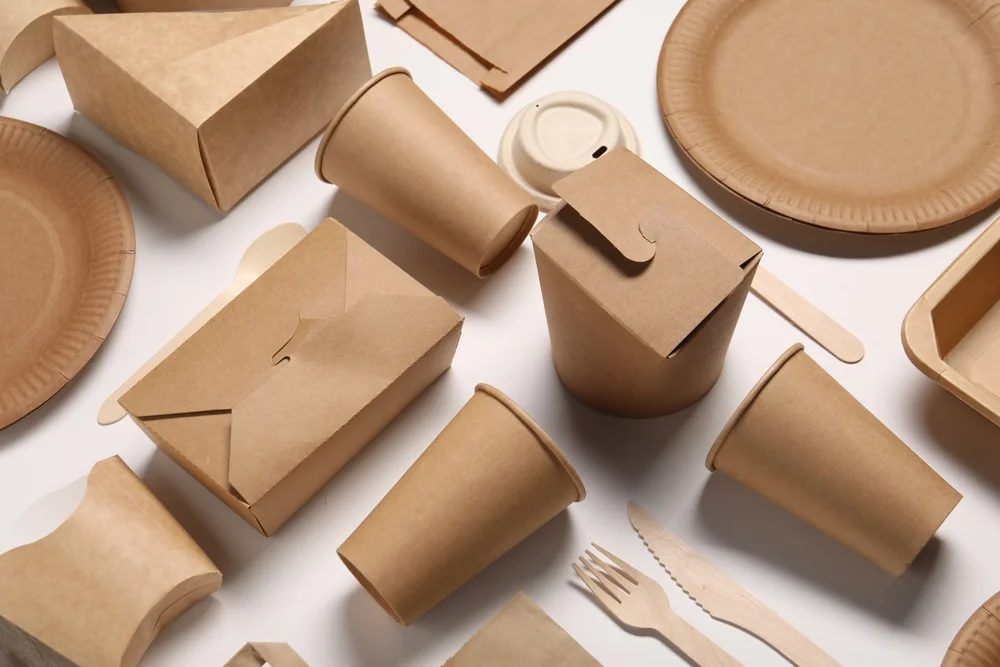
- Bagasse: Made from sugarcane fiber, bagasse is sturdy, heat-resistant, and suitable for plates, bowls, and takeout boxes.
- Paper and Cardboard: When sourced from sustainable forests and treated with food-safe coatings, these materials are both recyclable and biodegradable.
- Cellulose Films: Transparent and flexible, these plant-based films are used for wrapping and bagging food items.
- Edible Films: Innovations in edible packaging allow for films made from seaweed, starch, or proteins that can be safely consumed with the food.
Each material has unique properties, so the choice depends on the specific food product, required shelf life, and disposal method.
Benefits of Switching to Biodegradable Food Packaging
Choosing sustainable, food-grade packaging offers a range of advantages for businesses and consumers:
- Environmental Impact: Reduces landfill waste and pollution, as materials break down naturally.
- Brand Image: Demonstrates a commitment to sustainability, which can attract eco-conscious customers.
- Regulatory Compliance: Meets growing legal requirements for reducing single-use plastics and promoting green alternatives.
- Food Safety: Protects food from contamination and preserves freshness without harmful chemicals.
For a deeper dive into packaging types and how to select the right one for your product, see this comprehensive guide to food packaging choices.
Safety Standards and Certifications to Look For
When evaluating eco-friendly packaging for food, it’s important to check for certifications and compliance with recognized standards:
- FDA (U.S. Food and Drug Administration): Approves materials and coatings for direct food contact.
- EFSA (European Food Safety Authority): Sets safety standards for food packaging in the EU.
- Compostability Certifications: Look for labels such as ASTM D6400, EN 13432, or OK Compost, which verify that packaging will break down in composting environments.
- Forest Stewardship Council (FSC): Indicates that paper or cardboard comes from responsibly managed forests.
These certifications help ensure that packaging is both safe for consumers and environmentally responsible.
Challenges and Considerations When Using Sustainable Packaging
While the advantages are clear, there are also challenges to adopting biodegradable food-safe packaging:
- Cost: Biodegradable options can be more expensive than conventional plastics, especially at smaller scales.
- Performance: Some materials may not offer the same barrier properties or durability as traditional packaging, affecting shelf life.
- Composting Infrastructure: Not all regions have facilities to process compostable packaging, leading to confusion about proper disposal.
- Consumer Education: Customers may need guidance on how to dispose of packaging correctly to ensure it breaks down as intended.
Businesses should weigh these factors and communicate clearly with customers about the benefits and limitations of their packaging choices.
Trends and Innovations in Biodegradable Food Packaging
The field of sustainable packaging is evolving rapidly, with new materials and technologies emerging to address industry needs:
- Active Packaging: Incorporates natural additives that extend shelf life or enhance food safety.
- Edible Coatings: Thin, edible layers applied directly to food to reduce the need for external packaging.
- Smart Labels: Biodegradable labels that indicate freshness or signal when food is no longer safe to eat.
- Water-Based Inks and Adhesives: Reduce chemical residues and improve compostability.
As research continues, expect to see even more options that balance sustainability, safety, and performance.
Frequently Asked Questions
How can I tell if packaging is truly biodegradable and food-safe?
Look for third-party certifications such as compostability standards (ASTM D6400, EN 13432) and food safety approvals (FDA, EFSA). Packaging should also clearly state its intended use and disposal instructions.
Are biodegradable packaging materials suitable for all types of food?
Most biodegradable packaging works well for dry and low-moisture foods. For oily, acidic, or high-moisture products, specialized coatings or materials may be required to maintain food safety and integrity.
What is the difference between compostable and biodegradable packaging?
All compostable packaging is biodegradable, but not all biodegradable packaging is compostable. Compostable materials break down under specific conditions in composting facilities, leaving no toxic residue, while biodegradable materials may decompose more slowly or leave some byproducts.