The field of 3D printed organs and tissues is rapidly transforming the landscape of regenerative medicine and healthcare. With the ability to fabricate complex biological structures layer by layer, bioprinting is moving from experimental labs to clinical applications. This technology promises to address organ shortages, improve drug testing, and personalize medical treatments in ways previously unimaginable.
As bioprinting evolves, it’s important to understand the science behind it, the latest breakthroughs, and the challenges that remain. For those interested in advanced printing technologies in other industries, exploring topics like what is soft hand feel in garment printing can provide additional context on how printing innovations are shaping various fields.
Understanding Bioprinting Technology
At its core, bioprinting is a specialized form of additive manufacturing. Instead of plastics or metals, it uses bioinks—mixtures of living cells and supportive biomaterials—to construct tissue-like structures. The process involves:
- Designing a digital model of the desired tissue or organ
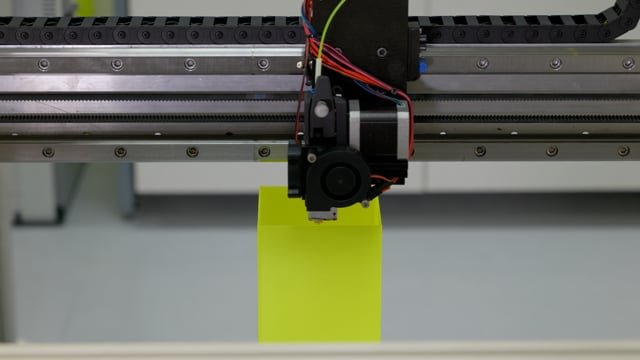
- Layer-by-layer deposition of bioink using a 3D printer
- Post-processing to promote cell growth, maturation, and integration
There are several bioprinting techniques, including inkjet, extrusion, and laser-assisted methods. Each has unique advantages depending on the complexity and type of tissue being fabricated.
Recent Breakthroughs in 3D Printed Organs and Tissues
Over the past decade, researchers have made remarkable progress in creating functional tissue constructs. Some of the most notable advances include:
- Vascularized tissues: Scientists have successfully printed tissues with embedded blood vessel networks, a crucial step toward building larger, viable organs.
- Mini-organs (organoids): Lab-grown miniature versions of organs like livers, kidneys, and hearts are being used for drug testing and disease modeling.
- Skin and cartilage: Bioprinted skin grafts and cartilage implants are already being tested in clinical settings, offering new hope for burn victims and those with joint injuries.
- Personalized medicine: By using a patient’s own cells, bioprinting can reduce the risk of immune rejection and create custom-fit implants.
Materials and Methods Used in Bioprinting
The success of fabricating 3D printed organs and tissues depends heavily on the choice of bioinks and printing methods. Bioinks must be biocompatible, support cell viability, and provide the right environment for tissue development. Common materials include:
- Hydrogels: Water-rich polymers that mimic the extracellular matrix, supporting cell growth and nutrient diffusion.
- Decellularized matrices: Natural tissue scaffolds stripped of cells, leaving behind a framework for new cells to populate.
- Synthetic polymers: Engineered materials that can be tuned for strength, degradation rate, and other properties.
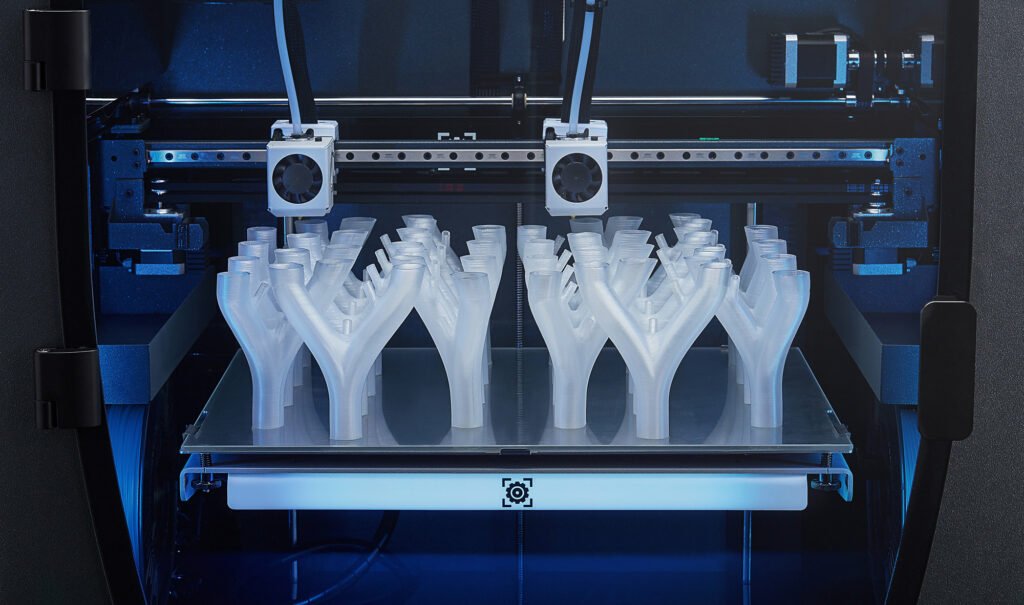
The choice of printing technique—whether extrusion-based for larger structures or inkjet for finer details—depends on the application. For a deeper dive into 3D printing processes, this comprehensive guide to 3D printing methods provides an excellent overview.
Challenges Facing Bioprinted Organs and Tissues
Despite significant progress, several hurdles remain before fully functional organs can be routinely printed for transplantation:
- Vascularization: Creating networks of blood vessels that can supply nutrients to thick tissues is a major challenge.
- Cell sourcing: Obtaining enough healthy, patient-specific cells for large organs is complex and time-consuming.
- Functional integration: Printed tissues must not only survive but also perform their intended biological functions when implanted.
- Regulatory approval: Ensuring safety and efficacy for clinical use requires rigorous testing and clear regulatory pathways.
Researchers are actively working on solutions, such as advanced bioinks, improved printing resolution, and dynamic culture systems that mimic the body’s environment.
Applications Beyond Organ Transplants
While the ultimate goal is to produce transplantable organs, the impact of bioprinting extends much further. Some key applications include:
- Drug development: Bioprinted tissues allow pharmaceutical companies to test new drugs on realistic human models, reducing reliance on animal testing and improving safety.
- Personalized implants: Custom-fit bone, cartilage, and dental implants can be produced quickly and tailored to individual patients.
- Educational tools: Medical students and surgeons use bioprinted models for training and surgical planning, enhancing hands-on learning.
The versatility of this technology is also influencing other industries. For example, the benefits of micro-factory models for fashion printing show how additive manufacturing is enabling on-demand, customized production in fields beyond medicine.
Future Prospects for 3D Printed Organs and Tissues
The road ahead for bioprinting is both promising and complex. As new materials, printing techniques, and cell sources are developed, the dream of producing fully functional organs becomes more attainable. Collaboration between engineers, biologists, and clinicians is accelerating progress, with several companies and research institutions aiming for clinical trials of bioprinted organs within the next decade.
Regulatory agencies are also adapting, working to establish standards and guidelines for the safe use of bioprinted tissues in humans. As these frameworks mature, the integration of 3D printed tissues into mainstream medicine will likely accelerate.
FAQ
How close are we to transplanting 3D printed organs into humans?
While significant advances have been made in printing functional tissues and small organoids, fully transplantable organs are still in the research phase. Challenges such as vascularization, immune compatibility, and regulatory approval must be overcome. Experts predict that the first clinical trials for larger organs may occur within the next decade.
What materials are used in bioprinting?
Bioprinting uses a variety of bioinks, including hydrogels, decellularized extracellular matrices, and synthetic polymers. These materials are chosen for their biocompatibility, ability to support cell growth, and mechanical properties suited to the intended tissue type.
Can 3D printed tissues be used for drug testing?
Yes, one of the most immediate applications of bioprinted tissues is in pharmaceutical research. Companies use these tissues to test drug safety and efficacy on realistic human models, which can improve results and reduce the need for animal testing.