The integration of 3D printing for product design has transformed how designers and engineers approach the creation of new products. By enabling rapid prototyping, this technology bridges the gap between initial concepts and tangible prototypes, allowing for faster iteration, improved accuracy, and greater creative freedom. Whether you’re developing consumer goods, industrial parts, or unique fashion accessories, additive manufacturing offers a practical pathway from idea to reality.
As industries evolve, the importance of efficient prototyping and agile development becomes even more pronounced. With 3D printing, teams can quickly test form, fit, and function, reducing both time-to-market and development costs. This guide explores the essential steps, tools, and considerations for leveraging 3D printing in the product development process.
For those interested in how digital fabrication intersects with other creative industries, you might also find value in learning about what is soft hand feel in garment printing, which highlights the tactile qualities important in textile design.
Why Rapid Prototyping Matters in Modern Product Development
Traditional manufacturing methods often require expensive tooling and long lead times, making early-stage prototyping both costly and slow. In contrast, rapid prototyping with 3D printing empowers designers to produce physical models within hours or days. This speed enables more frequent testing and refinement, leading to better end products.
- Faster iteration: Quickly test multiple design variations without waiting weeks for each new prototype.
- Cost efficiency: Eliminate the need for custom molds or dies during early development.
- Risk reduction: Identify design flaws early, minimizing expensive changes later in the process.
Key Steps: From Concept to 3D Printed Prototype
The journey from an initial idea to a functional prototype involves several distinct phases. Each step benefits from the flexibility and precision that additive manufacturing provides.
1. Ideation and Digital Modeling
Every project begins with brainstorming and sketching out concepts. Once a promising idea emerges, designers use CAD (computer-aided design) software to create a digital 3D model. This model serves as the blueprint for the entire prototyping process.
- CAD tools: Popular choices include SolidWorks, Fusion 360, and Blender.
- Design for manufacturability: Consider the limitations and strengths of 3D printing when modeling parts, such as overhangs, wall thickness, and material selection.
2. Preparing the Model for Printing
After modeling, the next step is to export the design in a format compatible with 3D printers, typically STL or OBJ files. Slicing software then converts the model into layers and generates the instructions (G-code) that the printer will follow.
- Slicing software: Cura, PrusaSlicer, and Simplify3D are commonly used.
- Settings to consider: Layer height, infill density, print speed, and support structures all impact the final result.
3. Choosing the Right 3D Printing Technology
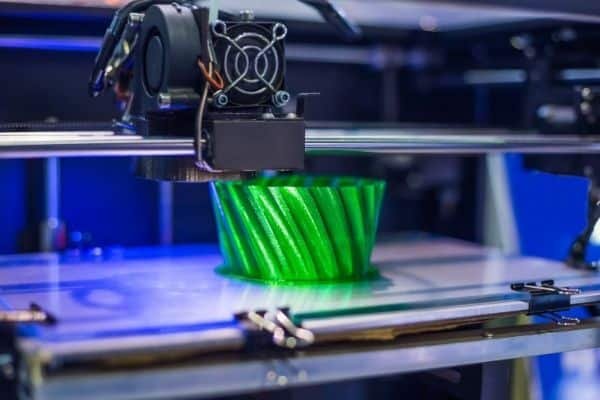
There are several types of 3D printing processes, each suited to different applications and materials. The most common for product design include:
- Fused Deposition Modeling (FDM): Ideal for quick, affordable prototypes using thermoplastics.
- Stereolithography (SLA): Offers high-resolution prints with smooth surfaces, suitable for detailed models.
- Selective Laser Sintering (SLS): Uses powdered materials for strong, functional prototypes.
For those seeking professional-grade equipment, explore industrial 3D printers and solutions to match your project requirements.
4. Printing and Post-Processing
Once the printer is set up and the file is ready, the actual printing process begins. Depending on the complexity and size, prints can take anywhere from a few minutes to several hours. After printing, most prototypes require some post-processing, such as removing supports, sanding, or painting, to achieve the desired finish.

Advantages of Using Additive Manufacturing in Product Design
Embracing 3D printing for product design offers several notable benefits beyond speed and cost. These include:
- Customization: Easily adapt designs for specific user needs or market segments without retooling.
- Complex geometries: Produce intricate shapes and internal structures that would be impossible or prohibitively expensive with traditional methods.
- Material efficiency: Minimize waste by using only the material necessary to build each part.
- Collaboration: Share digital files with remote teams or clients for feedback and co-development.
These advantages make additive manufacturing a vital tool for startups, established companies, and independent designers alike.
Common Challenges and How to Overcome Them
While the benefits are significant, there are also challenges to consider when integrating 3D printing into your workflow:
- Surface finish: Some printing methods may leave visible layer lines or require extra finishing for a smooth appearance.
- Material limitations: Not all plastics or resins are suitable for every application; research is needed to select the right one for your prototype.
- Printer calibration: Achieving consistent results requires regular maintenance and calibration of your equipment.
- Intellectual property: Sharing digital files can raise concerns about design security and copyright.
By understanding these potential obstacles, teams can plan ahead and implement best practices to ensure a smooth prototyping process. For those working in related fields, exploring the benefits of micro-factory models for fashion printing can offer additional insights into agile production strategies.
Integrating 3D Printing into Your Product Design Workflow
Successful adoption of additive manufacturing requires more than just purchasing a printer. Consider the following tips for seamless integration:
- Train your team: Invest in training for CAD modeling, printer operation, and post-processing techniques.
- Start small: Begin with low-risk projects to build confidence and refine your workflow.
- Iterate often: Use rapid prototyping to gather feedback early and often, reducing costly changes later.
- Stay updated: The field of 3D printing evolves quickly; keep up with new materials, software, and best practices.
As you refine your process, you’ll discover new ways to leverage digital fabrication for both functional and aesthetic innovation.
FAQ: 3D Printing and Product Prototyping
What types of products are best suited for 3D printed prototypes?
Additive manufacturing is ideal for consumer products, industrial parts, medical devices, and even fashion accessories. It excels in applications where customization, rapid iteration, or complex geometries are required.
How accurate are 3D printed prototypes compared to final manufactured parts?
The accuracy depends on the printer type, settings, and material used. High-resolution printers like SLA or SLS can produce models with tolerances suitable for functional testing, though some differences may exist compared to injection-molded or machined parts.
Can 3D printed prototypes be used for functional testing?
Yes, many prototypes are strong enough for functional testing, especially when printed with engineering-grade materials. However, for high-stress or regulatory applications, further validation and testing with production materials may be necessary.
Where can I find reliable 3D printers for product design?
There are many reputable sources for both desktop and industrial machines. For a curated selection, consider browsing professional 3D printer options tailored to various needs and budgets.
As the technology continues to advance, 3D printing for product design will remain a cornerstone of modern innovation, enabling creators to bring their visions to life with unprecedented speed and flexibility.