In the world of garment embellishment, foil stamping stands out for its ability to add a luxurious, metallic sheen to textiles. This specialized technique is widely used by fashion brands and custom apparel decorators seeking to create eye-catching, high-value designs. But what exactly does this process involve, and how can you achieve the best results when using it for clothing?
This article explores the essentials of foil stamping for apparel, including how it works, its main advantages, and practical tips for achieving a premium finish. Whether you’re a designer, print shop owner, or simply curious about advanced garment decoration, you’ll find actionable insights here. For those interested in achieving a premium feel in prints, you might also want to learn about what is soft hand feel in garment printing and how it complements specialty finishes like foil.
Understanding the Foil Stamping Process for Clothing
Foil stamping in the context of garment decoration is a heat transfer process that applies a thin metallic or pigmented foil onto fabric surfaces. This is typically done using a combination of heat, pressure, and adhesive. The result is a shiny, reflective design that stands out from standard ink or dye-based prints.
The process usually involves the following steps:
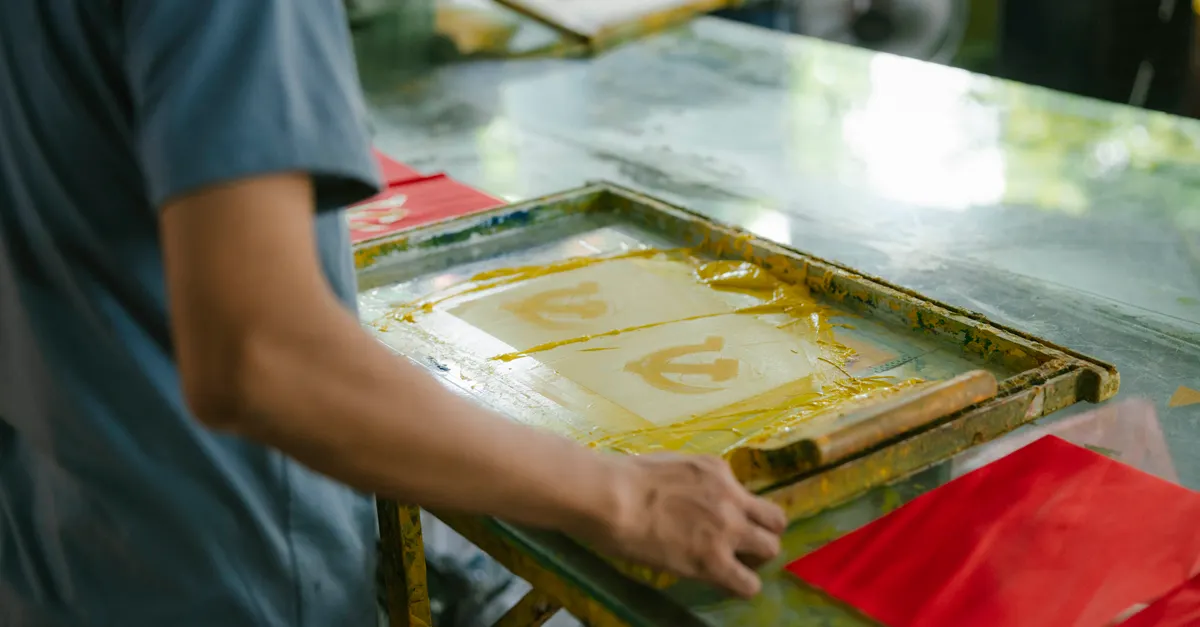
- A design is printed onto the fabric using a special adhesive ink, often via screen printing.
- Once the adhesive is cured, a sheet of foil is placed over the area.
- Heat and pressure are applied using a heat press, causing the foil to bond only where the adhesive was printed.
- The excess foil is peeled away, leaving the metallic finish behind.
This method is popular for logos, text, and graphic elements where a metallic or high-gloss effect is desired. It can be used on a wide range of textiles, but works best on smooth, flat fabrics for maximum adhesion and clarity.

Key Benefits of Using Foil in Garment Decoration
There are several reasons why designers and brands choose foil stamping for apparel:
- Premium Appearance: Foil creates a high-impact, metallic look that instantly elevates the perceived value of a garment.
- Versatility: Available in a wide range of colors and finishes, including gold, silver, holographic, and custom shades.
- Durability: When applied correctly, foil can withstand multiple washes while maintaining its shine.
- Brand Differentiation: Unique finishes help brands stand out in a crowded marketplace.
- Compatibility: Works well with other print techniques, such as screen printing or embroidery, for mixed-media effects.
These advantages make foil a popular choice for limited edition releases, event merchandise, and high-fashion collections.
Tips for Achieving Luxury Results with Foil Prints
To get the most out of foil stamping in garment decoration, it’s important to follow best practices throughout the design and production process:
- Choose the Right Fabric: Smooth, tightly woven textiles like cotton jersey, polyester blends, or spandex provide the best surface for foil adhesion. Avoid heavily textured or loosely woven fabrics, as these can result in uneven finishes.
- Optimize Your Artwork: Foil works best with bold, simple shapes and solid areas. Fine lines or intricate details may not transfer cleanly, so adjust your designs accordingly.
- Use High-Quality Adhesive: Specialized adhesives formulated for foil transfer are crucial. Ensure the adhesive is compatible with both the fabric and the foil type you’re using.
- Control Heat and Pressure: Follow manufacturer guidelines for temperature and dwell time. Too much heat can damage the fabric or cause the foil to wrinkle, while too little may result in poor adhesion.
- Test Before Production: Always run test prints to check for issues with adhesion, color, and durability. This helps avoid costly mistakes in large runs.
- Care Instructions: Advise customers to wash garments inside out in cold water and avoid harsh detergents or high heat drying to prolong the foil’s lifespan.
Mastering these steps will help you achieve a consistently high-quality, luxurious finish that meets customer expectations.
Comparing Foil Stamping to Other Garment Decoration Methods
While foil stamping offers a unique visual effect, it’s helpful to understand how it compares to other popular decoration techniques:
- Screen Printing: Ideal for vibrant, long-lasting prints but lacks the metallic shine and tactile feel of foil.
- Embroidery: Adds texture and dimension but is less suited for reflective or metallic effects. For a deeper comparison, see what is embroidery vs printing for brand logos.
- Direct to Film (DTF): Allows for full-color, detailed prints on a variety of fabrics, but doesn’t replicate the shine of foil. Learn more about the benefits of direct to film for small fashion labels.
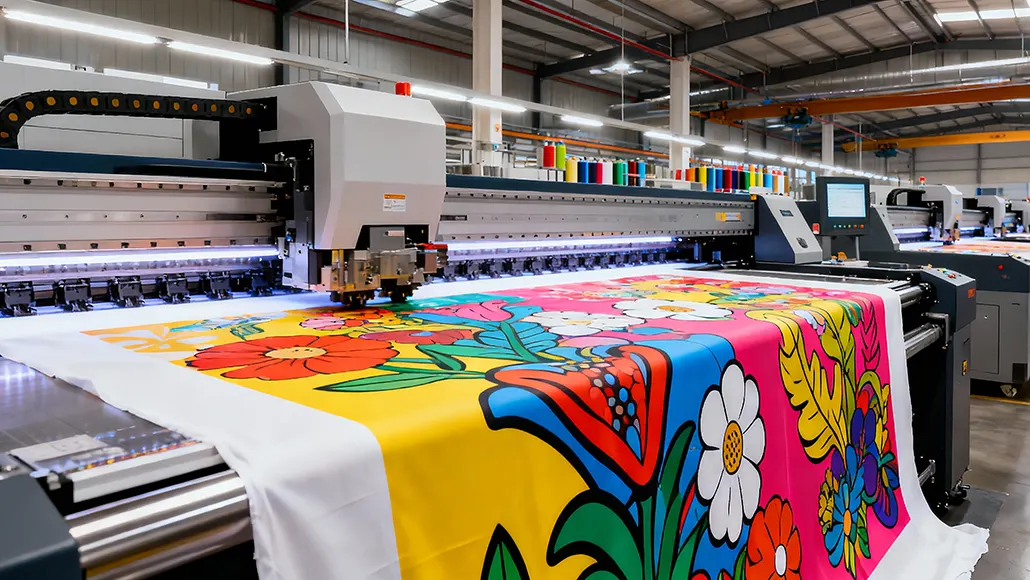
- Digital Printing: Excellent for photographic or gradient designs, but metallic effects require specialty inks or overlays.
Each method has its strengths, and the best choice depends on your design goals, fabric type, and desired finish.

Common Challenges and Solutions in Foil Application
While foil stamping is relatively straightforward, some common issues can affect the final result:
- Poor Adhesion: This can occur if the adhesive isn’t fully cured or if the fabric is contaminated with oils or residues. Always pre-treat and test fabrics before production.
- Wrinkling or Peeling: Excess heat or pressure can cause the foil to wrinkle or peel after washing. Adjust your press settings and use a protective sheet during transfer.
- Color Shift: Some foils may change appearance depending on the base fabric color. Test different combinations to achieve the desired look.
- Ghost Images: Residual adhesive or improper screen cleaning can cause unwanted marks. For tips on preventing this, see how to remove ghost images from printing screens.
Addressing these challenges early in the process will help ensure a flawless, professional result.
Expanding Your Knowledge: Resources and Trends
As apparel decoration evolves, new materials and techniques are constantly emerging. For a comprehensive overview of digital textile printing and how it integrates with specialty finishes like foil, check out this complete guide to digital fabric printing.
Staying informed about the latest trends and technologies can help you offer innovative, high-value products to your customers. Additionally, exploring benefits of micro-factory models for fashion printing can streamline production and enable more agile, on-demand customization.
Frequently Asked Questions
How long does foil last on garments?
When applied correctly and cared for properly, foil prints can last for many washes. However, it’s important to follow care instructions such as washing inside out, using cold water, and avoiding high heat drying to maximize longevity.
Can foil stamping be combined with other print methods?
Yes, foil can be layered with screen printing, embroidery, or digital prints to create mixed-media effects. Just ensure each process is compatible with the fabric and won’t interfere with foil adhesion.
Is foil stamping suitable for all types of fabrics?
Foil works best on smooth, flat fabrics like cotton jersey or polyester blends. Heavily textured or loosely woven textiles may not provide enough surface area for proper adhesion, leading to uneven results.
What are the most popular colors and finishes for foil in fashion?
Gold and silver remain the most sought-after metallic finishes, but holographic, rose gold, and custom colors are also popular for creating unique, standout designs.