Printing on synthetic fabrics like nylon and lycra is a critical process in the production of modern swimwear and activewear. These materials are prized for their stretch, durability, and comfort, but their unique properties also present challenges when it comes to achieving vibrant, long-lasting prints. Whether you’re a designer, manufacturer, or small business owner, understanding the best techniques and considerations for printing on these fabrics can make a significant difference in the quality and appeal of your products.
This article provides a comprehensive overview of the methods, materials, and best practices for achieving professional results when decorating nylon and lycra garments. If you’re interested in how print quality affects garment feel, you may also find our guide on what is soft hand feel in garment printing helpful.
Understanding Nylon and Lycra Fabrics
Before diving into printing methods, it’s important to understand the characteristics of nylon and lycra (also known as spandex or elastane). Both are synthetic fibers, commonly blended to create fabrics with excellent stretch and recovery, making them ideal for swimwear and performance apparel. However, their low absorbency, smooth surface, and sensitivity to heat and chemicals can complicate the printing process.
- Nylon is lightweight, strong, and has a smooth texture. It absorbs less moisture than natural fibers and is prone to yellowing under high heat.
- Lycra adds significant stretch and flexibility, but can be sensitive to high temperatures and harsh chemicals.
These factors mean that not all printing methods or inks are suitable for these materials. Choosing the right approach is essential for vibrant, durable results.
Popular Printing Techniques for Stretch Fabrics
Several methods are commonly used to decorate nylon and lycra garments. The choice depends on design complexity, production scale, and desired finish.
Screen Printing on Nylon and Lycra
Screen printing is a traditional method that can be adapted for synthetic fabrics. However, it requires specialized inks and additives to ensure proper adhesion and flexibility. Nylon-specific plastisol or water-based inks, often with a bonding catalyst, are recommended. Proper curing at lower temperatures is crucial to avoid damaging the fabric.
- Use nylon-compatible inks and catalysts.
- Test curing temperatures to prevent fabric distortion or yellowing.
- Consider using a stretch additive to maintain print flexibility.
For tips on maintaining print quality and avoiding issues like ghosting, see our resource on how to remove ghost images from printing screens.
Digital Printing Methods for Activewear
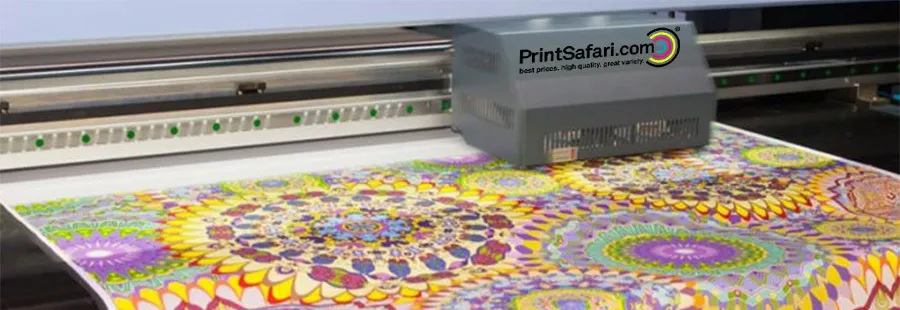
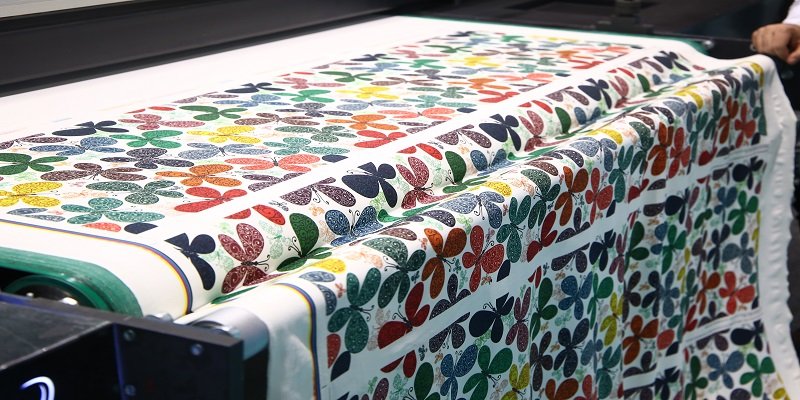
Digital textile printing has become increasingly popular for its ability to produce detailed, multi-color designs with minimal setup. Direct-to-fabric (DTF) and dye-sublimation are two leading digital methods for synthetic stretch fabrics.
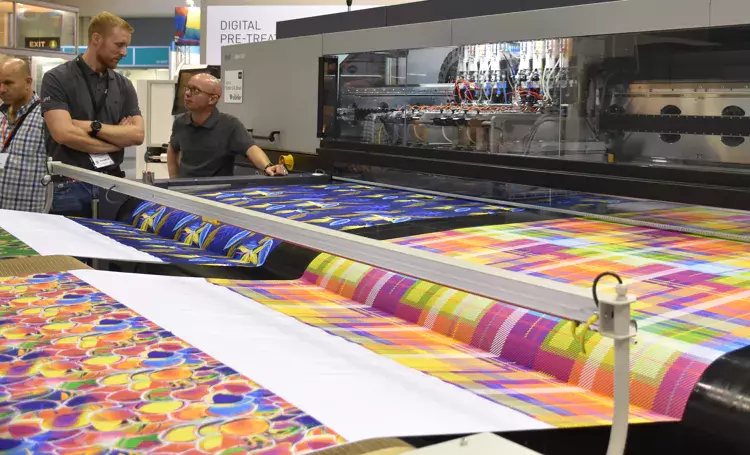
- Dye-sublimation works best on polyester-rich blends, but can be used on some nylon/lycra fabrics with special coatings. The process uses heat to transfer dye into the fibers, resulting in vibrant, stretch-resistant prints.
- Direct-to-film (DTF) is gaining traction for its flexibility and ability to print on a wide range of synthetics, including nylon and lycra. It involves printing designs onto a film, which is then heat-pressed onto the fabric.
For a deeper dive into digital textile printing advancements, see this overview of digital textile printing technology.
Heat Transfer Printing for Swimwear
Heat transfer is another option for decorating stretch fabrics. It involves printing a design onto a transfer paper or film, then using heat and pressure to bond it to the garment. For nylon and lycra, it’s essential to use low-temperature transfers and compatible adhesives to prevent fabric damage and ensure durability.
- Choose transfer films and adhesives rated for synthetic, stretchy fabrics.
- Apply at the lowest effective temperature and pressure.
- Test wash and stretch resistance before full production.
Key Considerations for Printing Success
Achieving professional results on nylon and lycra requires careful attention to several factors:
- Pre-treatment: Some fabrics benefit from pre-washing or chemical treatments to improve ink adhesion.
- Ink Selection: Use inks specifically formulated for synthetics and stretch. Avoid standard plastisols unless modified for nylon.
- Curing: Monitor temperature and dwell time closely to prevent fabric shrinkage or discoloration.
- Stretch and Recovery: Ensure prints can stretch with the fabric without cracking or peeling. Additives or special inks may be needed.
- Testing: Always run sample prints and perform wash and stretch tests before large runs.

Best Practices for Consistent Results
To ensure your prints look great and last, follow these industry best practices:
- Work with trusted suppliers for inks, films, and pre-treatments designed for nylon and lycra blends.
- Control your environment—humidity and temperature can affect ink performance and curing.
- Regularly calibrate equipment to maintain consistent print quality and avoid issues like misalignment or uneven curing.
- Train staff on the specific needs of synthetic stretch fabrics, including handling and post-print care.
- Stay updated on new technologies and materials, such as improved DTF films or eco-friendly inks for synthetics.
For small fashion labels, exploring the benefits of direct to film for small fashion labels can be especially valuable, as DTF offers flexibility and a lower barrier to entry for custom printing on stretch fabrics.
Common Challenges and Solutions
Printing on nylon and lycra is not without its difficulties. Here are some typical issues and how to address them:
- Ink Cracking or Peeling: Use stretch additives and test ink compatibility.
- Color Fading: Choose inks with high wash and UV resistance; ensure proper curing.
- Fabric Discoloration: Lower curing temperatures and use protective sheets during heat application.
- Poor Adhesion: Pre-treat fabric and use nylon-specific bonding agents.
- Ghosting or Blurring: Control movement during heat transfer and use high-quality transfer films.
For more on the differences between decoration methods, our comparison of what is embroidery vs printing for brand logos offers additional insights.
Frequently Asked Questions
What type of ink is best for printing on nylon and lycra?
The most effective inks are those specifically formulated for synthetic, stretchy fabrics. Nylon plastisol inks with bonding catalysts, water-based inks with stretch additives, or specialty DTF and dye-sublimation inks are recommended. Always test ink compatibility with your specific fabric blend.
Can you use regular screen printing inks on swimwear fabrics?
Standard screen printing inks are not suitable for nylon or lycra. They may not adhere properly and can crack when the fabric stretches. Always use inks labeled for synthetic or stretch fabrics, and consider adding a catalyst or stretch additive for best results.
How do you prevent prints from cracking on activewear?
To avoid cracking, use inks with built-in stretch or add a stretch additive. Ensure the print is fully cured but not overheated, and test the finished garment by stretching it to check for durability. Proper ink selection and curing are key to long-lasting, flexible prints.