The textile industry has seen remarkable advancements in recent years, with digital textile finishing standing out as a transformative process. This innovative approach enhances the performance, feel, and appearance of fabrics after they have been digitally printed. By leveraging digital technology, manufacturers can achieve greater precision, efficiency, and sustainability compared to traditional finishing methods.
Understanding the impact of these modern techniques is essential for anyone involved in fabric production, fashion, or textile printing. Whether you are a designer, manufacturer, or simply interested in how textiles are made, exploring the details of digital finishing can reveal how it contributes to superior fabric quality and new creative possibilities.
For those interested in how fabric feel is affected by post-printing processes, you may also want to read about what is soft hand feel in garment printing for a deeper look at tactile qualities.
Defining Digital Textile Finishing and Its Role
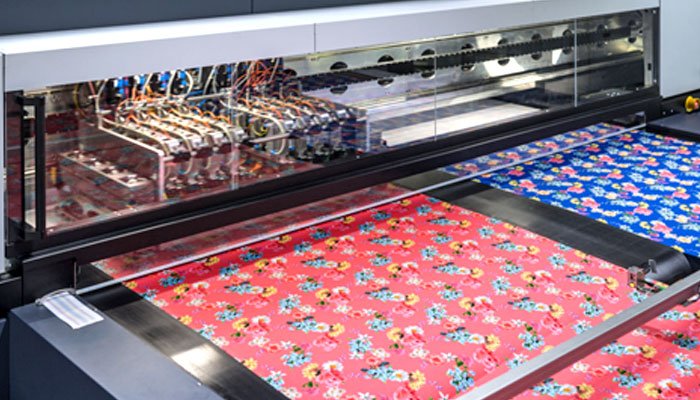
At its core, digital textile finishing refers to the set of processes applied to fabrics after digital printing to enhance their properties. Unlike conventional finishing, which often relies on manual or mechanical treatments, digital finishing uses computer-controlled systems to precisely apply chemicals, coatings, or treatments. This results in improved consistency, reduced waste, and the ability to tailor finishes for specific end uses.
The main objectives of these finishing techniques include:
- Improving color vibrancy and fastness
- Enhancing softness, drape, and hand feel
- Adding functional properties such as water repellency, UV protection, or antimicrobial effects
- Stabilizing the fabric to prevent shrinkage or distortion
By integrating digital controls, manufacturers can respond quickly to design changes and market trends, making the process highly adaptable for both large-scale and custom production.
Key Processes in Modern Fabric Enhancement
The journey from raw fabric to a finished textile involves several critical steps. After digital printing, the fabric undergoes a series of treatments designed to lock in color, improve durability, and achieve the desired surface characteristics.
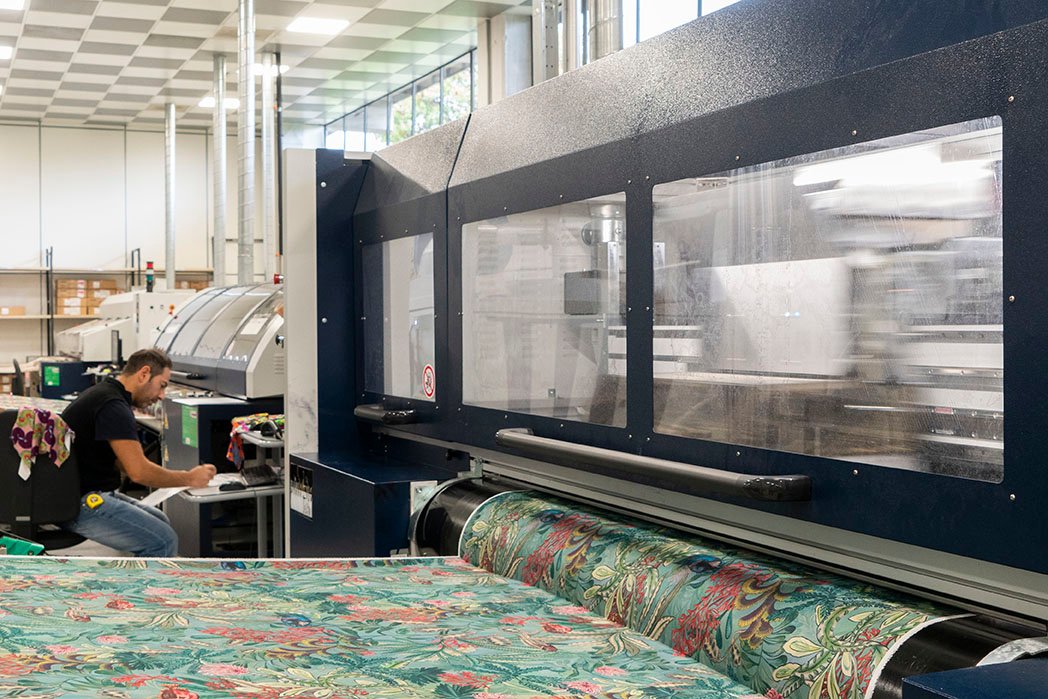
Fixation and Washing
After a design is digitally printed onto fabric, the next step is fixation—using heat, steam, or chemicals to set the dyes or pigments. This ensures that the colors remain vibrant and do not wash out or fade easily. Washing follows, removing any excess ink or chemicals and preparing the fabric for further finishing.
Application of Functional Finishes
One of the main advantages of digital finishing is the ability to apply a wide range of functional finishes with precision. These can include:
- Water and stain repellency for outdoor or performance wear
- Antimicrobial treatments for medical or sports textiles
- UV protection for garments and home textiles exposed to sunlight
- Softening agents for a luxurious hand feel
These finishes are often applied using advanced spraying, coating, or padding systems that are digitally controlled, ensuring even distribution and minimal waste.
Mechanical and Surface Treatments
In addition to chemical finishes, digital technology can control mechanical processes such as calendaring (pressing fabric between rollers for smoothness), embossing, or laser treatments. These methods can create unique textures, enhance luster, or add decorative effects, all with high repeatability and accuracy.
Benefits of Digital Approaches in Textile Finishing
The shift toward digital finishing methods brings several significant advantages over traditional techniques. These benefits are driving adoption across the textile and fashion industries.

- Precision and Consistency: Automated controls ensure that each batch of fabric receives the same treatment, reducing variability and defects.
- Customization: Digital systems allow for rapid changes in finish type or pattern, supporting personalized or small-batch production.
- Sustainability: Reduced chemical and water usage, as well as lower energy consumption, make digital finishing more environmentally friendly.
- Speed: Faster turnaround times mean that products can reach the market more quickly, keeping up with fast fashion and consumer demand.
- Integration with Digital Printing: Seamless workflow from digital print to finish streamlines production and enhances design possibilities.
These advantages make digital finishing especially attractive for brands seeking to combine quality, flexibility, and responsible manufacturing.
How Digital Finishing Improves Fabric Quality
The main goal of any finishing process is to elevate the final product. With digital methods, the improvements are both visible and tangible:
- Enhanced Color Brilliance: Fixation and protective coatings help maintain the intensity of digitally printed designs, even after repeated washing.
- Improved Hand Feel: Softening agents and mechanical treatments can make fabrics feel smoother, silkier, or more luxurious, depending on the desired effect.
- Durability: Functional finishes protect against abrasion, pilling, and environmental factors, extending the lifespan of garments and home textiles.
- Performance Features: Adding moisture management, odor control, or UV resistance increases the value and versatility of finished fabrics.
For a closer look at how these enhancements are achieved, explore this overview of digital textile printing and finishing processes that details the integration of print and finish technologies.
Industry Trends and Future Directions
As consumer expectations evolve, the demand for high-quality, sustainable, and customized textiles continues to grow. Digital finishing is at the forefront of this shift, enabling manufacturers to offer unique products while minimizing environmental impact.
Some key trends shaping the future of textile finishing include:
- Smart Textiles: Integration of sensors, conductive coatings, and responsive finishes for wearable technology.
- Eco-Friendly Formulations: Development of bio-based and non-toxic finishing agents to reduce ecological footprint.
- Micro-Factory Models: Decentralized, agile production units that combine digital printing and finishing for local, on-demand manufacturing. For more on this, see the benefits of micro-factory models for fashion printing.
- Data-Driven Quality Control: Use of sensors and analytics to monitor and optimize finishing processes in real time.
These innovations are making it possible to deliver better products faster, with less waste and greater creative freedom.
Frequently Asked Questions
How does digital textile finishing differ from traditional finishing methods?
Digital finishing uses computer-controlled systems to apply treatments with high precision, resulting in consistent quality and reduced resource consumption. Traditional methods often rely on manual processes, which can lead to variability and higher waste.
What types of fabrics can benefit from digital finishing?
Most fabric types—including cotton, polyester, silk, and blends—can be enhanced using digital finishing techniques. The process is adaptable to both natural and synthetic fibers, making it suitable for a wide range of applications.
Is digital textile finishing environmentally friendly?
Yes, digital finishing typically uses less water, energy, and chemicals compared to conventional methods. This makes it a more sustainable choice for manufacturers aiming to reduce their environmental impact.
Can digital finishing add special effects or textures to fabric?
Absolutely. Digital systems can control mechanical and chemical treatments to create unique textures, embossing, or even interactive finishes, expanding creative options for designers.
Conclusion
The adoption of digital textile finishing is transforming the way fabrics are enhanced after printing. By combining precision, efficiency, and sustainability, this technology enables manufacturers to deliver superior products that meet the demands of today’s market. As digital methods continue to evolve, they will play an increasingly important role in shaping the future of textiles—offering endless possibilities for quality, performance, and design innovation.