In the fast-paced world of apparel, direct to garment printing (DTG) has emerged as a transformative technology for fashion brands seeking flexibility, vibrant designs, and on-demand production. Unlike traditional methods, DTG allows for high-resolution, full-color prints directly onto textiles, making it especially attractive for brands prioritizing customization and small-batch runs.
This article explores how DTG works, its advantages and limitations, and why it’s become a go-to solution for many in the fashion industry. If you’re considering expanding your product line or launching a new label, understanding the ins and outs of DTG can help you make informed decisions about your printing strategy.
For those interested in comparing DTG with other textile printing technologies, our overview of digital textile printing offers additional insights into the broader landscape.
Understanding the DTG Printing Process
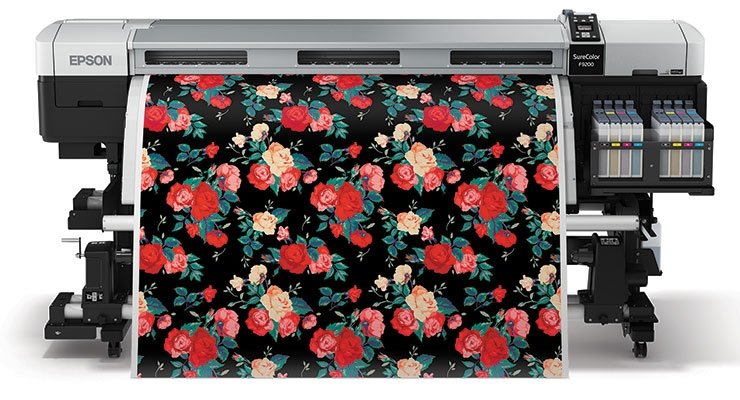
At its core, direct to garment printing is a digital process where specialized inkjet printers apply water-based inks directly onto fabric. The process is similar to how a desktop printer works, but it’s designed for textiles. Here’s a step-by-step look at how DTG works:
- Artwork Preparation: Designs are created digitally and prepared for print, often using high-resolution files to ensure crisp results.
- Pre-Treatment: The garment, typically made of cotton or cotton blends, is pre-treated with a solution that helps the ink bond with the fibers and enhances color vibrancy.
- Printing: The garment is loaded onto the printer’s platen, and the design is printed directly onto the fabric using CMYK (cyan, magenta, yellow, black) inks.
- Curing: After printing, the garment is heat-pressed or cured to set the ink and ensure durability through washing and wearing.
Key Benefits for Fashion Brands
The appeal of DTG for fashion labels comes from its unique advantages over traditional printing methods. Here’s why so many brands are adopting this technology:
- Unlimited Color Options: DTG can reproduce millions of colors and gradients, making it ideal for complex, photo-realistic designs that would be challenging with screen printing.
- No Minimum Order Quantities: Because there’s no need for screens or setup, brands can print single pieces or small runs cost-effectively, reducing inventory risk and enabling on-demand fulfillment.
- Soft Hand Feel: The water-based inks soak into the fabric, resulting in prints that are soft to the touch and breathable, unlike some transfer or vinyl methods.
- Quick Turnaround: Digital workflow streamlines production, allowing for rapid prototyping and faster delivery to customers.
- Eco-Friendly Potential: DTG uses less water and produces less waste compared to traditional screen printing, aligning with the sustainability goals of many modern brands.
Comparing DTG with Other Apparel Printing Methods
While DTG offers many advantages, it’s important to understand how it stacks up against other popular techniques. For example, screen printing and digital printing each have their own strengths and limitations.
- Screen Printing: Best for large runs and simple designs with limited colors. Setup is more involved, but cost per unit drops with volume.
- Dye Sublimation: Ideal for polyester fabrics and all-over prints. For more details, see our guide to dye sublimation printing on polyester.
- Heat Transfer: Suitable for small runs and specialty finishes, but may not offer the same softness or durability as DTG.
DTG stands out for its ability to handle intricate, multi-color designs on cotton garments with minimal setup and waste.
Limitations and Considerations for DTG Printing
While DTG is a powerful tool, it’s not without its challenges. Here are a few factors to keep in mind:
- Fabric Compatibility: DTG works best on 100% cotton or high-cotton blends. Results on polyester or dark synthetic fabrics may be less vibrant or durable.
- Cost per Piece: For very large production runs, screen printing may still be more economical due to lower ink costs at scale.
- Print Area: Most DTG printers have a limited print area, which may not be suitable for all-over or edge-to-edge designs.
- Pre-Treatment Requirements: Proper pre-treatment is essential for color vibrancy and wash durability, adding a step to the process.
DTG Printing and Sustainability in Fashion
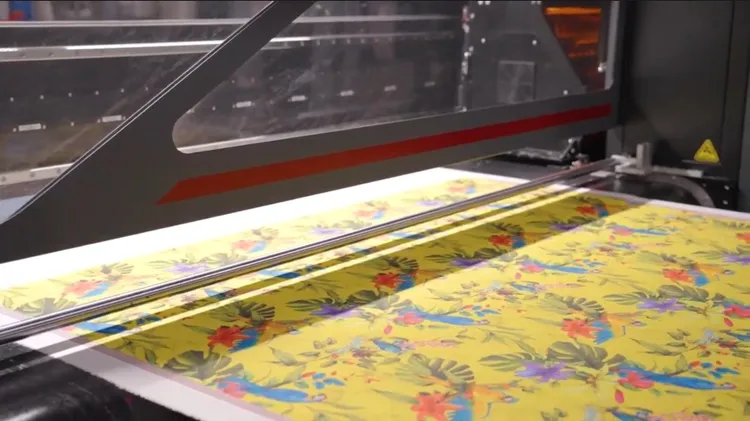
As sustainability becomes a core value for many fashion brands, DTG’s digital nature offers several environmental benefits. The process uses less water, generates minimal chemical waste, and enables brands to produce only what is needed, reducing overstock and landfill contributions. For a deeper dive into the eco-friendly aspects of digital textile printing, see this comprehensive look at digital textile printing and sustainability.
Additionally, on-demand production enabled by DTG supports the shift toward more responsible consumption and reduces the risk of unsold inventory.
Preparing Artwork for Direct to Garment Printing
To achieve the best results with DTG, proper artwork preparation is crucial. High-resolution files (at least 300 DPI) in formats like PNG (with transparency) or TIFF are recommended. Designs should be color-managed for CMYK output, and backgrounds should be removed for a clean print edge. For more tips, our professional guide to preparing artwork for fabric printing covers the essentials.
Is DTG Right for Your Fashion Brand?
Choosing the right printing method depends on your brand’s needs, target market, and product goals. DTG is particularly well-suited for:
- Startups and small brands wanting to test designs without large upfront investment
- Businesses offering personalized or limited-edition apparel
- Designers prioritizing detailed, multi-color artwork on cotton garments
- Brands committed to sustainable, on-demand production models
For those interested in launching a new venture, our step-by-step guide to starting a fashion printing business provides practical advice on getting started.
Frequently Asked Questions
What types of garments are best suited for DTG printing?
DTG works best on 100% cotton or high-cotton blend garments, such as t-shirts, hoodies, and tote bags. While some printers can handle blends or light-colored polyester, results are most vibrant and durable on cotton fabrics.
How does DTG compare to screen printing for large orders?
For large-volume orders with simple designs, screen printing may be more cost-effective due to lower ink costs per unit. However, DTG is ideal for small runs, complex designs, and on-demand production, offering greater flexibility and no setup fees.
Is DTG printing environmentally friendly?
Yes, DTG uses water-based inks and produces less waste than traditional methods. It also supports on-demand production, reducing overstock and unsold inventory. For more on sustainable practices, see this overview of digital textile printing and sustainability.