Sublimation printing has become a popular method for creating vibrant, long-lasting designs on textiles. Whether you are interested in custom apparel, home décor, or promotional items, understanding how this process works can help you achieve professional-quality results. This article explores the fundamentals of sublimation printing on fabric, including how the process works, which materials are best suited, and why safety should always be a priority. By focusing on the science behind the technique and the importance of selecting the right materials, you can make informed decisions and know when to seek professional assistance for your projects.
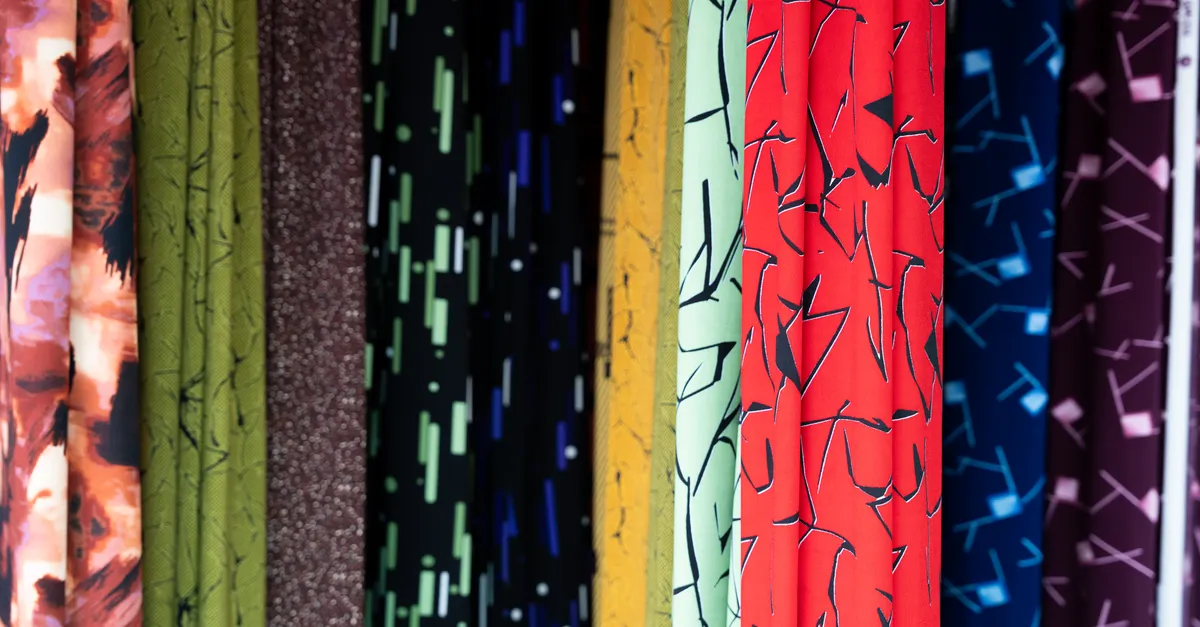
What Makes Sublimation Printing Unique?
At its core, sublimation printing is a digital printing technique that allows for detailed, full-color images to be transferred onto fabric. Unlike traditional printing methods that apply ink to the surface, sublimation uses heat to turn special dyes into gas, which then bonds with the fibers of the fabric. This results in prints that are not only visually striking but also highly durable, as the ink becomes part of the material itself. The method is widely used in fashion, sportswear, and custom merchandise due to its ability to produce intricate, fade-resistant designs.
The popularity of this approach stems from its versatility and the quality of the finished product. Designs created through sublimation are resistant to cracking, peeling, and washing out, making them ideal for items that undergo frequent use or laundering. Additionally, the process supports complex color gradients and photographic images, which are difficult to achieve with other textile printing methods.
How the Sublimation Printing Process Works
Understanding the science behind sublimation printing on fabric helps clarify why it produces such vivid and durable results. The process begins by printing a mirror image of your design onto a special transfer paper using sublimation inks. This paper is then placed onto the fabric, and both are subjected to high heat and pressure using a heat press.
When exposed to temperatures typically between 350°F and 400°F, the solid dye on the transfer paper turns directly into a gas—a process known as sublimation. The gaseous dye penetrates the fibers of the fabric, where it cools and reverts to a solid state, becoming permanently embedded within the material. This chemical transformation ensures that the design is not simply sitting on top of the fabric but is actually part of it.
Because the dye bonds at a molecular level, the resulting print is smooth to the touch and maintains its vibrancy over time. This method is especially effective for applications where durability and color fidelity are essential, such as athletic wear and branded apparel.
Choosing the Best Fabrics for Sublimation
Selecting the right base material is crucial for successful sublimation printing on fabric. Not all textiles are compatible with this process, as the dye must be able to bond with the fibers at a molecular level. The most suitable fabrics are those made from synthetic fibers, with polyester being the clear favorite.
Polyester’s chemical structure allows the sublimation dye to penetrate and lock in, resulting in sharp, vibrant images. Fabrics with a high polyester content—ideally 100%—deliver the best results. Blends with at least 65% polyester can also work, but the color intensity may be reduced compared to pure polyester.
Natural fibers like cotton, linen, or wool do not react with sublimation dyes in the same way. While it is possible to use special coatings to make these materials more receptive, the results are generally less vivid and less durable. For those interested in eco-friendly alternatives, exploring natural mordants for fabric printing may be worthwhile, though this involves different techniques and considerations.
- Polyester: Ideal for vibrant, long-lasting prints.
- Polyester blends: Acceptable if polyester content is high (65% or more).
- Natural fibers: Not recommended unless specially treated.
When selecting fabric, also consider its texture and weave. Smooth, tightly woven polyester fabrics tend to yield the sharpest images, while textured or loosely woven materials may diffuse the print and reduce clarity.
Safety Considerations for Sublimation Printing
While sublimation printing offers many creative possibilities, it is important to recognize the safety risks associated with the process. High temperatures are essential for transferring designs, and improper handling of heat presses or other equipment can result in burns or other injuries.
Here are some key safety precautions to keep in mind:
- Use heat-resistant gloves: Always wear protective gloves when operating a heat press or handling recently pressed materials.
- Ensure proper ventilation: Sublimation inks can release fumes when heated. Work in a well-ventilated area to minimize inhalation risks.
- Follow manufacturer instructions: Each piece of equipment may have specific guidelines for safe operation. Read and adhere to all instructions and warnings.
- Keep flammable materials away: The high temperatures used in sublimation can ignite nearby flammable objects. Maintain a clear workspace.
- Supervise the process: Never leave a heat press unattended while in use.
If you are new to sublimation or unsure about handling the equipment, consider seeking guidance from experienced professionals or utilizing commercial services. Prioritizing safety not only protects you but also ensures the quality and consistency of your finished products.
Maximizing Quality and When to Seek Professional Help
Achieving exceptional results with sublimation printing on fabric depends on a combination of the right materials, equipment, and attention to detail. Here are some practical tips for getting the most out of your projects:
- Choose high-quality transfer paper and inks: Inferior supplies can lead to dull colors and uneven transfers.
- Pre-treat your fabric: Ensure the fabric is clean and free of wrinkles or moisture, as these can affect the transfer process.
- Test before committing: Run a small test print to check color accuracy and adhesion before working on your final piece.
- Monitor temperature and time: Use a reliable heat press and follow recommended settings for your specific materials.
- Handle finished items with care: Allow printed fabrics to cool completely before use or washing to preserve the design.
While many enthusiasts enjoy experimenting with sublimation at home, there are situations where professional assistance is advisable. If you are working with valuable or large-scale items, require color matching for branding purposes, or need complex designs, a professional printing service can provide the expertise and equipment necessary for optimal results.
For those interested in exploring other fabric printing techniques, such as sublimation printing for t-shirts or using screen printing inks for fabric, there are additional resources available to help you choose the best method for your needs.
Frequently Asked Questions
What fabrics work best with sublimation printing?
The most effective fabrics for this process are those made from polyester or high-polyester blends. These materials allow the dye to bond at a molecular level, resulting in vibrant, durable prints. Natural fibers like cotton are not recommended unless specially treated.
Is sublimation printing safe to do at home?
While it is possible to use sublimation techniques at home, it is important to follow safety precautions due to the high temperatures involved. Always use protective gear, ensure proper ventilation, and read all equipment instructions carefully. If unsure, consider seeking professional help.
How long do sublimation prints last?
Designs created with this method are known for their longevity. Because the dye becomes part of the fabric, prints are resistant to fading, cracking, and peeling, even after repeated washing and use.
Summary: Key Takeaways for Successful Sublimation Printing
Sublimation printing offers a powerful way to create detailed, long-lasting designs on fabric, especially when using polyester materials. By understanding the science behind the process, selecting compatible fabrics, and prioritizing safety, you can achieve impressive results whether working on custom apparel, décor, or promotional products. Remember, if you are new to this technique or working on high-value projects, consulting a professional can help ensure both safety and quality. With the right approach, your printed fabrics can stand out for their color, clarity, and durability.