The world of additive manufacturing is evolving rapidly, and hybrid 3D printing systems are at the forefront of this transformation. By integrating multiple fabrication techniques into a single platform, these advanced machines are reshaping how industries approach prototyping, production, and even repair. If you’re interested in how combining different 3D printing and subtractive methods can unlock new possibilities, this article offers a practical overview of the technologies, their benefits, and how to get started.
Whether you’re a manufacturer, designer, or hobbyist, understanding these integrated solutions can help you achieve greater efficiency, material flexibility, and part quality. We’ll explore the core principles behind hybrid systems, common use cases, and what to consider before investing in this technology. If you’re also interested in improving the surface finish of your prints, check out our guide on sanding and finishing 3D prints for additional tips.

What Are Hybrid 3D Printing Systems?
At their core, hybrid 3D printing systems are machines that combine two or more manufacturing processes—most commonly additive and subtractive methods—within a single build environment. The most typical configuration merges a 3D printer (such as FDM, SLA, or SLS) with a CNC milling or laser cutting head. This allows users to print a part and then immediately machine it for improved accuracy, surface finish, or to add features that are difficult to achieve with printing alone.
Some advanced hybrid platforms also integrate additional technologies like laser sintering, directed energy deposition, or even inspection tools. The result is a highly flexible manufacturing cell capable of producing complex geometries, multi-material parts, and finished components with minimal manual intervention.
Key Technologies Combined in Hybrid Systems
The effectiveness of these integrated machines comes from the synergy between different fabrication methods. Here are some of the most common technologies found in hybrid manufacturing systems:
- Fused Deposition Modeling (FDM): Widely used for its versatility and cost-effectiveness, this technique extrudes thermoplastic filaments layer by layer.
- Stereolithography (SLA) and Digital Light Processing (DLP): Resin-based methods that offer high resolution and smooth surface finishes, ideal for detailed prototypes.
- Selective Laser Sintering (SLS): Uses lasers to fuse powdered materials, enabling the creation of strong, functional parts.
- CNC Milling: Subtractive process that removes material using rotating cutting tools, providing tight tolerances and refined surfaces.
- Laser Cutting/Engraving: Adds the ability to cut or engrave features post-print, expanding design possibilities.
- Directed Energy Deposition (DED): Often used for metal parts, this process deposits material using a focused energy source, then machines it to final shape.
Advantages of Integrated Additive and Subtractive Manufacturing
The main appeal of combining additive and subtractive processes lies in the ability to leverage the strengths of each. Here are some of the most significant benefits:
- Improved Part Accuracy: After a part is printed, CNC machining can refine critical surfaces, holes, or threads to precise tolerances.
- Enhanced Surface Finish: Milling or laser finishing can remove layer lines and produce smoother surfaces, reducing the need for manual post-processing.
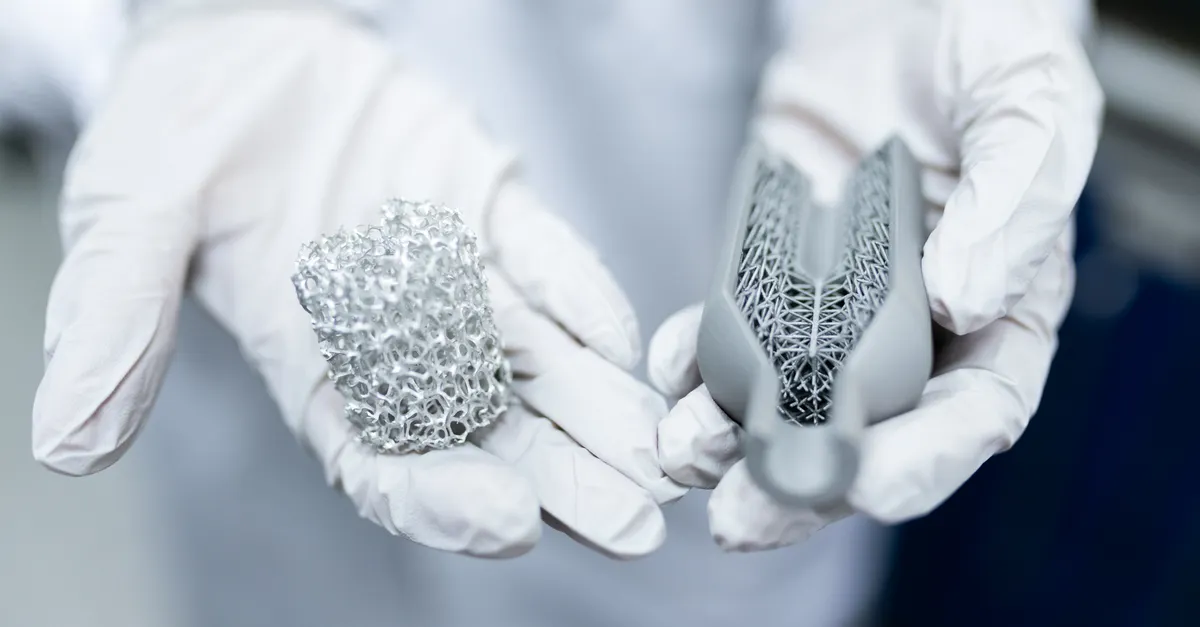
- Complex Geometries: Additive manufacturing enables the creation of internal channels or lattice structures, while subtractive tools can finish external features.
- Material Flexibility: Some hybrid systems allow for multi-material builds, combining metals, polymers, or composites in a single workflow.
- Reduced Lead Times: By consolidating multiple steps into one setup, hybrid platforms can accelerate prototyping and production.
- Automated Workflow: Integrated software and tool changers minimize manual intervention, boosting efficiency and repeatability.
Popular Applications for Hybrid 3D Printing
Industries ranging from aerospace to medical devices are adopting these advanced systems for a variety of tasks. Some common applications include:
- Tooling and Molds: Rapidly produce and finish custom tooling, dies, or injection molds with complex cooling channels.
- Functional Prototypes: Create prototypes with both intricate internal features and precise external dimensions.
- Repair and Remanufacturing: Add material to worn or damaged metal parts, then machine them back to specification.
- End-Use Parts: Manufacture finished components with tight tolerances and high surface quality, suitable for direct use.
For more on optimizing your prints, you might also find our article on 3D printing infill patterns helpful.
How to Get Started with Hybrid Manufacturing
If you’re considering adopting a hybrid platform, here are some key steps to guide your decision:
- Assess Your Needs: Determine which materials, part sizes, and tolerances are required for your projects.
- Research Available Systems: Compare machines based on supported technologies (FDM, SLA, CNC, etc.), build volume, and automation features.
- Evaluate Software Integration: Look for platforms with unified software that can seamlessly switch between additive and subtractive operations.
- Consider Workflow and Training: Ensure your team is prepared to handle both 3D printing and machining processes, or seek out training resources.
- Plan for Post-Processing: Even with hybrid systems, some manual finishing may be needed. For tips, see our guide on post processing 3D prints.
Challenges and Considerations
While the benefits are substantial, there are also important challenges to keep in mind:
- Cost: Hybrid machines are generally more expensive than single-process equipment, both in terms of initial investment and maintenance.
- Complexity: Operating and maintaining a multi-technology platform requires specialized knowledge and training.
- Material Compatibility: Not all materials are suitable for both additive and subtractive processes, so check compatibility before committing.
- Software Integration: Seamless workflow depends on robust software; fragmented systems can lead to inefficiencies.
- Space and Power Requirements: These machines are often larger and require more infrastructure than standard 3D printers.
To learn more about the fundamentals of additive manufacturing, explore this in-depth explanation of 3D printing technology.
Future Trends in Hybrid Manufacturing
The field of hybrid additive and subtractive manufacturing is still evolving. We’re seeing increased automation, smarter toolpath generation, and the integration of real-time inspection tools. As software improves and costs decrease, expect these systems to become more accessible to small businesses and individual makers. Additionally, research into new materials and process combinations is expanding the range of possible applications.
For those interested in the finishing touches, our resource on painting 3D printed models provides tips for achieving professional results on your completed parts.
Frequently Asked Questions
What makes hybrid 3D printing different from traditional 3D printing?
Hybrid systems combine additive manufacturing with subtractive processes like CNC milling or laser cutting. This allows for the creation of parts with both complex internal geometries and precise external features, all within a single setup.
Can hybrid machines work with both metals and plastics?
Many hybrid platforms are designed for metals, especially in industrial settings. However, there are also systems that support polymers, composites, or even multi-material builds. Always check the machine’s specifications for supported materials.
Are hybrid manufacturing systems suitable for small businesses?
While the initial investment is higher, the ability to consolidate multiple processes can save time and reduce outsourcing costs. As technology matures and prices decrease, these solutions are becoming more accessible to smaller operations.
How do I ensure the best surface finish on hybrid-manufactured parts?
Utilizing the subtractive capabilities of your system—such as CNC milling or laser finishing—can significantly improve surface quality. For additional finishing techniques, refer to our article on post processing 3D prints.