The landscape of energy storage is rapidly evolving, with 3D printing batteries emerging as a transformative technology. By leveraging additive manufacturing, researchers and industry leaders are reimagining how batteries are designed, produced, and integrated into devices. This approach offers new possibilities for custom shapes, improved performance, and sustainable manufacturing, all while reducing production costs and material waste.
As the demand for efficient, high-capacity batteries grows across sectors like electric vehicles, consumer electronics, and renewable energy, the ability to tailor battery architecture using 3D printing is becoming increasingly valuable. This article explores the latest breakthroughs, real-world applications, and the challenges that must be addressed for widespread adoption.
For those interested in related innovations in printing, our guide on what is soft hand feel in garment printing offers insight into advanced textile techniques that share some parallels with additive manufacturing.
How Additive Manufacturing Is Revolutionizing Battery Design
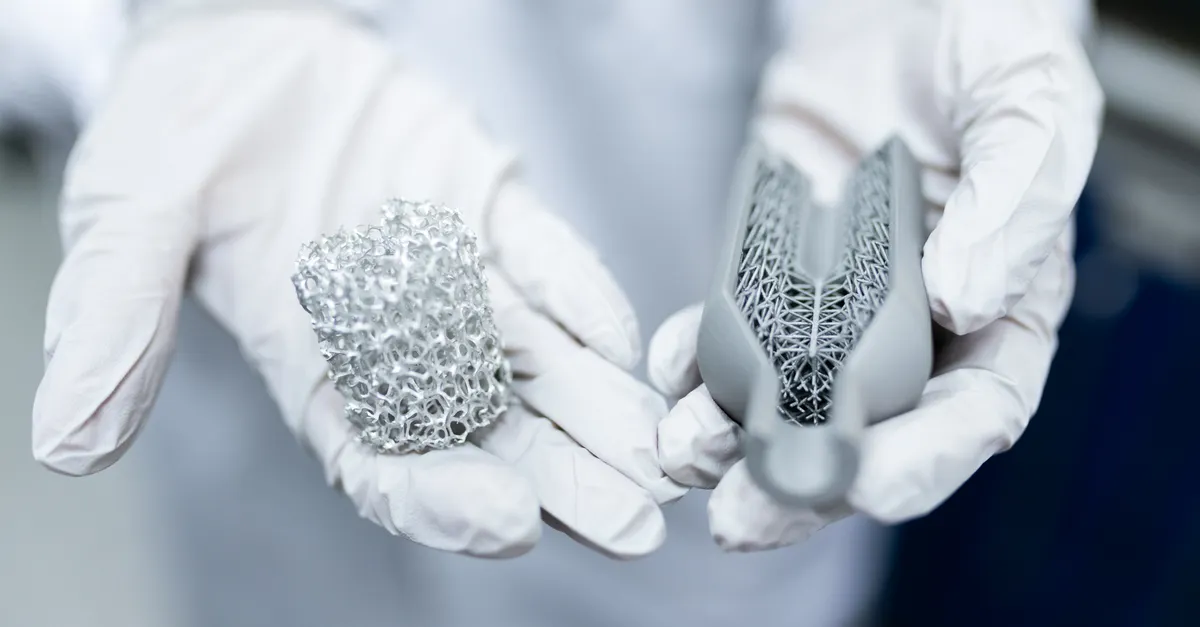
Traditional battery manufacturing relies on layered, planar designs and standardized form factors. In contrast, 3D printing batteries enables intricate geometries and customized architectures that maximize surface area and improve ion transport. This flexibility allows for batteries to be integrated directly into product structures, such as wearable devices or compact electronics, without sacrificing performance.
Additive manufacturing techniques, such as direct ink writing and fused deposition modeling, allow for the precise placement of active materials, separators, and current collectors. This level of control can lead to:
- Higher energy density by optimizing internal structures
- Improved mechanical stability and flexibility
- Reduced weight and material usage
- Faster prototyping and iteration cycles
For a comprehensive introduction to the fundamentals of additive manufacturing, you can refer to this detailed guide to 3D printing processes.
Key Materials and Methods in 3D-Printed Battery Technology
The success of 3D-printed batteries depends on the development of printable materials that maintain electrochemical performance. Researchers are experimenting with a range of substances, including:
- Conductive inks containing carbon nanotubes, graphene, or metallic particles
- Printable polymer electrolytes for solid-state batteries
- Ceramic and composite materials for enhanced thermal stability
- Flexible substrates for wearable and bendable devices
The most common 3D printing techniques used in battery fabrication include:
- Direct Ink Writing (DIW): Extrudes viscous inks to build up battery layers with precise control.
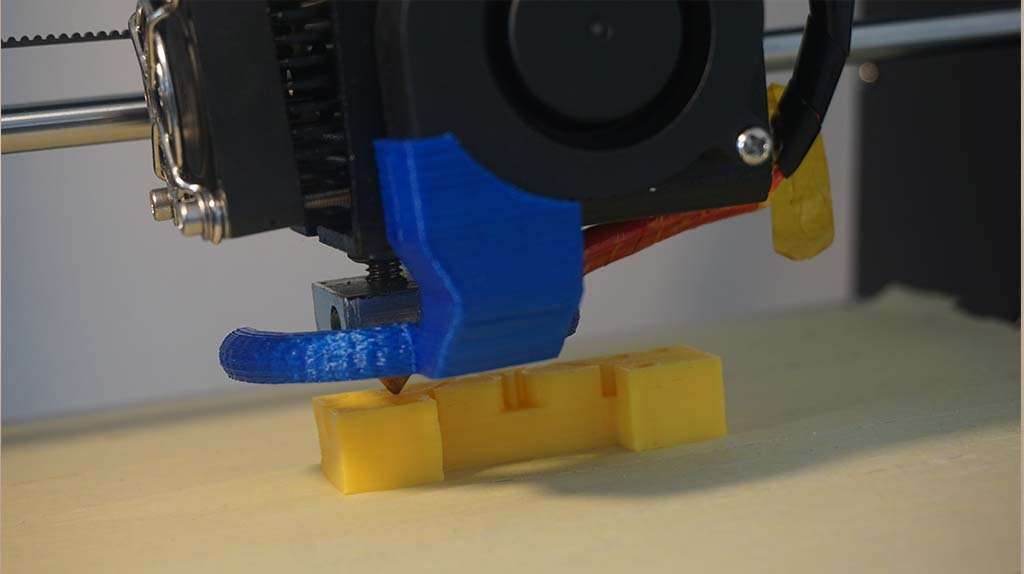
- Fused Deposition Modeling (FDM): Melts and deposits thermoplastic filaments, often used for structural components.
- Stereolithography (SLA): Uses light to cure photosensitive resins, enabling fine resolution for micro-batteries.
Applications and Real-World Impact of 3D-Printed Batteries
The ability to fabricate batteries in virtually any shape or size opens up new possibilities across multiple industries. Some of the most promising applications include:
- Wearable technology: Custom-shaped batteries that conform to the human body, powering smartwatches, fitness trackers, and medical sensors.
- Internet of Things (IoT): Miniaturized power sources for sensors and devices in smart homes, industrial automation, and environmental monitoring.
- Electric vehicles (EVs): Integrated battery packs that maximize available space and improve safety through advanced thermal management.
- Medical implants: Biocompatible batteries designed to fit unique anatomical requirements, supporting devices like pacemakers and neurostimulators.
These innovations are already being tested in research labs and pilot manufacturing lines. As the technology matures, it is expected to drive down costs and enable new product categories that were previously impossible with conventional battery designs.
Challenges and Future Directions in Additive Battery Manufacturing
While the potential of 3D printing batteries is significant, several challenges remain before the technology can achieve mainstream adoption:
- Material compatibility: Developing printable materials that match or exceed the performance of traditional battery chemistries.
- Manufacturing scale: Scaling up from laboratory prototypes to high-volume production while maintaining quality and consistency.
- Cost considerations: Reducing the price of specialized inks and 3D printers to compete with established battery manufacturing methods.
- Regulatory and safety standards: Ensuring that 3D-printed batteries meet rigorous safety, reliability, and environmental requirements.
Ongoing research is focused on overcoming these hurdles. Advances in printable electrolytes, hybrid manufacturing approaches, and automated quality control are all contributing to the rapid evolution of this field.

Comparing 3D-Printed Batteries to Conventional Technologies
When evaluating additive manufacturing for energy storage against conventional battery production, several key differences emerge:
| Aspect | Traditional Batteries | 3D-Printed Batteries |
|---|---|---|
| Design Flexibility | Limited to standard shapes | Customizable, complex geometries |
| Material Efficiency | Higher waste, less optimization | Reduced waste, targeted placement |
| Prototyping Speed | Longer lead times | Rapid iteration and testing |
| Integration | Separate from product structure | Can be embedded within devices |
| Scalability | Well-established, high-volume | Emerging, scaling in progress |
As additive battery manufacturing matures, it is expected to complement rather than completely replace traditional methods. Hybrid approaches that combine the strengths of both may become the norm in the coming years.
Related Innovations in Printing and Manufacturing
The principles driving advances in 3D-printed batteries are also influencing other sectors. For example, the benefits of micro-factory models for fashion printing highlight how decentralized, on-demand production can reduce waste and improve customization—paralleling trends in energy storage.
Similarly, the push for more sustainable and efficient processes in both garment and battery printing is leading to new materials, smarter automation, and a focus on end-user needs.
Frequently Asked Questions
What are the main advantages of using 3D printing for batteries?
The primary benefits include the ability to create custom shapes, increase energy density, reduce material waste, and accelerate the prototyping process. This approach also enables batteries to be integrated directly into products, opening up new design possibilities.
Are 3D-printed batteries commercially available?
While most developments are still in the research or pilot production stage, some companies have begun offering specialty 3D-printed batteries for niche applications such as wearables and IoT devices. Broader commercial availability is expected as the technology matures.
What challenges must be overcome for widespread adoption?
Key hurdles include developing high-performance printable materials, scaling up manufacturing processes, reducing costs, and ensuring compliance with safety and regulatory standards. Continued research and industry collaboration are essential for addressing these issues.
How does 3D-printed battery technology impact sustainability?
By minimizing material waste, enabling on-demand production, and allowing for more efficient battery designs, additive manufacturing can contribute to more sustainable energy storage solutions. However, the environmental impact of printable materials and printer energy use must also be considered.