Choosing the right food-safe packaging for baby food is essential for parents, caregivers, and manufacturers who want to protect the health and safety of infants. Food packaging for babies must meet strict standards to ensure it does not contaminate or degrade the food inside. Understanding what makes packaging safe, which materials are best, and how to identify compliant options can help you make informed decisions, whether you’re preparing homemade purees or selecting products from the store.
This article will break down the essentials of safe packaging for infant foods, including material choices, regulations, and practical tips for parents and businesses. For a broader look at how different packaging materials compare, the food-safe packaging materials comparison guide offers in-depth insights.
Why Safety in Baby Food Packaging Matters
Infants and young children are more sensitive to chemicals and contaminants than adults. Packaging that is not specifically designed for food contact can leach harmful substances into purees, cereals, or snacks. The risks include exposure to BPA, phthalates, heavy metals, and other toxins that may disrupt development or cause health issues. That’s why regulatory agencies and manufacturers place a high priority on using only certified, food-grade materials for packaging baby foods.
In addition to chemical safety, packaging must also protect food from spoilage, bacteria, and physical damage. Properly designed containers help preserve freshness, prevent contamination, and extend shelf life, making them crucial for both homemade and commercial baby foods.
Key Materials Used in Safe Baby Food Packaging
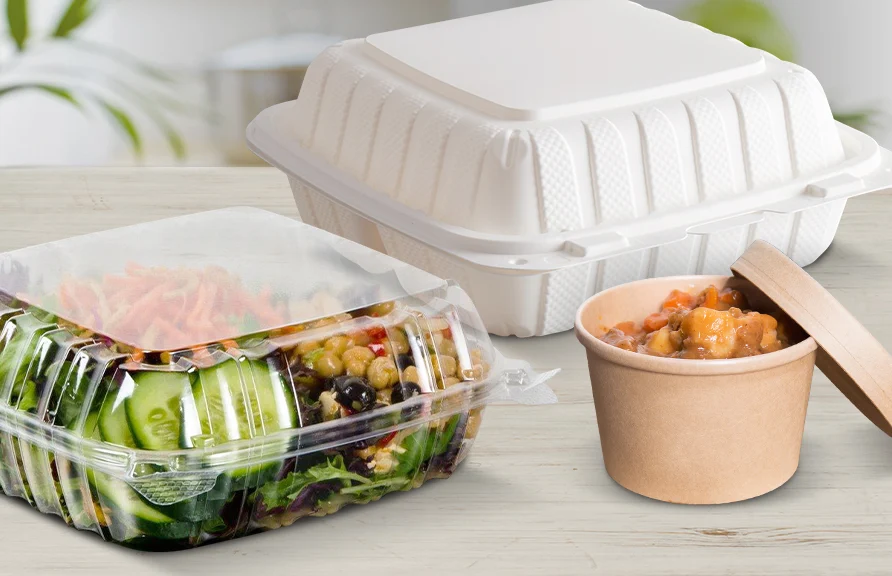
The most common materials used for safe packaging for baby foods include glass, certain plastics, and specialized paperboard. Each has its own advantages and considerations:
- Glass jars: Non-reactive, reusable, and easy to sterilize. Glass is often used for purees and is valued for its ability to preserve flavor and resist staining.
- BPA-free plastics: Lightweight and shatter-resistant, these plastics are formulated to avoid harmful chemicals. Look for containers labeled as BPA-free and compliant with food safety standards.
- Laminated pouches: Multi-layered pouches made from food-safe plastics and sometimes aluminum can keep food fresh and portable. They must be certified for food contact and free from contaminants.
- Paperboard with food-safe coatings: Used for dry snacks and cereals, these materials are treated with coatings to prevent moisture and grease penetration while remaining safe for food contact.
How to Identify Food-Grade Packaging for Infants
Not all containers are created equal. To ensure you’re using food-safe packaging for baby food, look for the following indicators:
- Certifications and symbols: Packaging should display symbols such as the glass and fork, or explicit statements like “food safe” or “BPA-free.”
- Regulatory compliance: In the United States, the FDA regulates materials that come into contact with food. In Europe, look for compliance with EU food safety standards. Always check for up-to-date certifications.
- Manufacturer transparency: Reputable brands provide details about the materials used and their safety testing processes.
- Absence of strong odors or discoloration: Packaging should not have a chemical smell or any visible defects, which could indicate contamination.
For more details on how to verify the safety of packaging materials, see this comprehensive guide to identifying food-safe packaging materials.
Regulations and Standards for Safe Packaging
Governments and international agencies set strict rules for packaging that comes into contact with food, especially for products intended for infants. In the U.S., the Food and Drug Administration (FDA) oversees the approval of food-contact substances. In the European Union, regulations such as EC No. 1935/2004 and specific directives for plastics and other materials are enforced.
Manufacturers must conduct migration testing to ensure that chemicals from packaging do not transfer into food at unsafe levels. Labels and documentation should be available to prove compliance. When in doubt, contact the manufacturer or supplier for proof of certification.
Best Practices for Parents and Caregivers
When preparing or storing baby food at home, always use containers that are labeled as food-safe and intended for infant use. Avoid reusing single-use packaging or containers not designed for food storage. Wash and sterilize containers thoroughly before each use, especially for infants under one year of age.
If you’re purchasing commercial baby foods, check packaging for tamper-evidence, expiration dates, and clear labeling. Discard any products with damaged or swollen packaging, as these may indicate contamination or spoilage.
Innovations in Sustainable and Safe Packaging
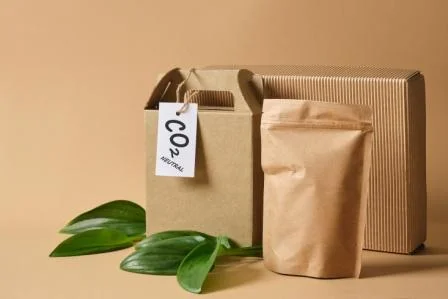
As environmental concerns grow, manufacturers are developing new materials that are both safe for food contact and more sustainable. Options like compostable pouches, recyclable plastics, and biodegradable coatings are becoming more common in the baby food market. However, these alternatives must still meet the same rigorous safety standards as traditional materials.
For those interested in how packaging for other sensitive foods is handled, resources on food-safe packaging for allergens and food-safe packaging for organic food offer additional insights into specialized requirements.
Frequently Asked Questions
What does “food-safe” mean in the context of baby food packaging?
“Food-safe” refers to packaging materials that have been tested and certified to ensure they do not release harmful substances into food. For baby food, this means the packaging is free from chemicals like BPA, phthalates, and heavy metals, and meets regulatory standards for infant safety.
Can I reuse containers from store-bought baby food?
While some glass jars and sturdy plastic containers can be reused if thoroughly cleaned and sterilized, it’s important to verify that they are designed for repeated use. Avoid reusing single-use plastics or any packaging that shows signs of wear, as these may not remain safe over time.
How can I tell if packaging is compliant with food safety standards?
Look for clear labeling, such as the glass and fork symbol, “BPA-free” statements, and references to FDA or EU compliance. If in doubt, contact the manufacturer for documentation or certification details. For more information, consult resources like the food-safe packaging materials comparison guide.