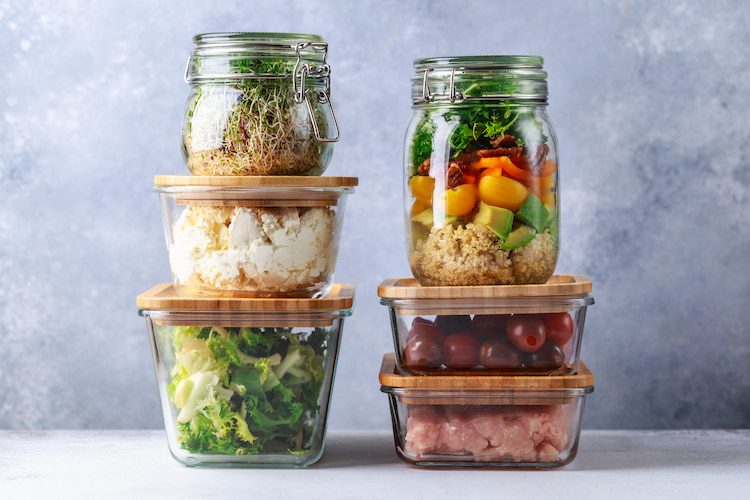
Ensuring that food packaging is safe and compliant is a top priority for manufacturers, distributors, and brands in the food industry. The FDA food-safe packaging guidelines are designed to protect consumers by regulating the materials and processes used in packaging that comes into contact with food. Understanding these requirements is essential for anyone involved in the design, production, or selection of food packaging, from large-scale producers to small businesses and startups.
Navigating the complexities of regulatory standards can be challenging, especially as packaging innovations and sustainability concerns continue to evolve. This article provides a practical overview of the most important aspects of food packaging safety as regulated by the U.S. Food and Drug Administration, including what materials are allowed, how compliance is determined, and what steps businesses should take to avoid costly mistakes.
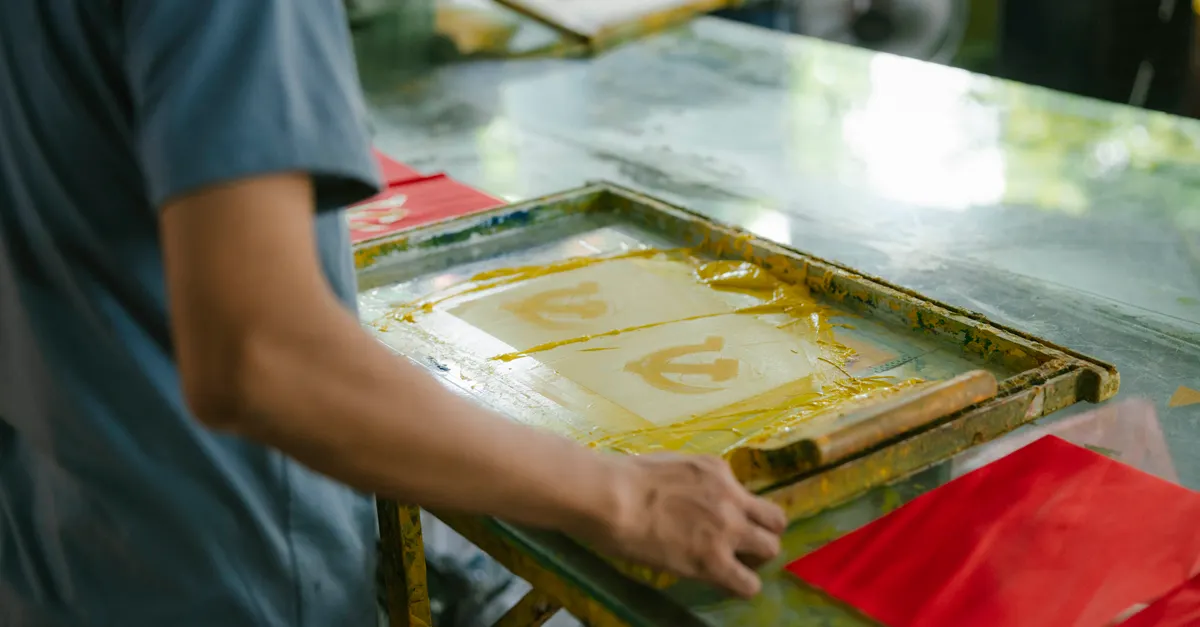
For those interested in how packaging standards intersect with other aspects of production, you might also explore related topics such as what is soft hand feel in garment printing, which examines quality and safety in textile applications.
Understanding the Scope of FDA Regulations for Food Packaging
The U.S. Food and Drug Administration (FDA) oversees the safety of food packaging materials under the Federal Food, Drug, and Cosmetic Act (FD&C Act). These regulations apply to any material that is intended to come into direct or indirect contact with food, including plastics, paper, glass, metals, adhesives, coatings, and printing inks. The goal is to ensure that packaging does not transfer harmful substances to food or alter its composition, taste, or safety.
FDA food-safe packaging guidelines cover a wide array of packaging types, from single-use containers and wrappers to reusable jars and bottles. The agency evaluates both the chemical composition of packaging materials and the conditions under which they are used, such as temperature, food type, and storage duration.

Key Requirements for Food Contact Materials
All food packaging materials must meet the FDA’s standard of “reasonable certainty of no harm” under their intended conditions of use. This means that substances used in packaging must not migrate into food at unsafe levels. The main categories of food contact materials include:
- Plastics and polymers: Must be made from substances cleared by the FDA, often listed in Title 21 of the Code of Federal Regulations (CFR).
- Papers and paperboard: Should be free of harmful contaminants and manufactured with approved additives.
- Metals and coatings: Must not leach hazardous elements such as lead or cadmium into food.
- Adhesives and inks: Only certain substances are permitted, and migration limits apply.
Manufacturers must also consider the intended use of the packaging—such as whether it will be used for hot or acidic foods, or for long-term storage—as these factors can affect the safety profile of the materials.
How the FDA Evaluates and Approves Packaging Materials
The FDA uses several mechanisms to determine if a material is suitable for food contact:
- Food Contact Notifications (FCNs): A premarket notification process where manufacturers submit data showing that a new material is safe for its intended use.
- Food Additive Regulations: Some substances are specifically listed as approved food additives for packaging in the CFR.
- Threshold of Regulation (TOR) exemptions: For substances used at very low levels, the FDA may grant exemptions if migration to food is negligible.
- Generally Recognized as Safe (GRAS): Some materials are considered safe based on scientific consensus or long-standing use.
It’s important to note that compliance is not a one-time event. Changes in suppliers, formulations, or manufacturing processes may require new safety assessments or notifications.
Labeling, Documentation, and Traceability
Beyond the physical properties of packaging, the FDA also requires accurate labeling and documentation. Packaging must not mislead consumers about the nature or safety of the food product. Manufacturers should maintain records that demonstrate compliance, including supplier certifications, test results, and regulatory clearances.
Traceability is another critical aspect. In the event of a recall or contamination issue, being able to quickly identify and track packaging lots can help minimize risk and liability.
Recent Trends and Sustainability in Food Packaging
With growing consumer awareness around sustainability, many companies are exploring eco-friendly packaging options. While materials like recycled paper, bioplastics, and compostable films offer environmental benefits, they must still comply with FDA food-safe packaging guidelines. Not all “green” materials are automatically suitable for food contact, so it’s essential to verify their regulatory status before use.

Innovations in packaging design—such as smart labels, antimicrobial coatings, and improved barrier properties—are also subject to FDA review. Staying informed about regulatory updates is crucial for businesses aiming to stay competitive and compliant.
Common Challenges and Best Practices for Compliance
Meeting the requirements for food packaging safety can be complex, especially for businesses introducing new materials or products. Some common challenges include:
- Uncertainty about the regulatory status of new or imported materials
- Incomplete documentation from suppliers
- Changes in product formulation or packaging design
- Keeping up with evolving regulations and scientific findings
To address these challenges, companies should:
- Work closely with suppliers to obtain full regulatory documentation
- Conduct regular audits and testing of packaging materials
- Stay updated on FDA announcements and guidance documents
- Consult with regulatory experts when introducing new packaging technologies
For more in-depth regulatory information, the FDA’s official resource on food ingredients and packaging provides comprehensive guidance and updates.
Frequently Asked Questions
What materials are considered safe for food packaging?
Materials deemed safe for food contact include certain plastics, glass, metals, paper, and coatings that have been evaluated and cleared by the FDA. Each material must meet specific migration and purity standards to ensure it does not contaminate food.
How can businesses verify that their packaging is FDA compliant?
Companies should request compliance documentation from their suppliers, such as Food Contact Notifications, GRAS determinations, or relevant CFR listings. Regular testing and consultation with regulatory experts can also help ensure ongoing compliance.
Are sustainable or biodegradable packaging materials regulated differently?
Sustainable and biodegradable materials must meet the same safety standards as conventional packaging. Even if a material is eco-friendly, it must be evaluated for food safety and approved by the FDA before use in food contact applications.
Understanding and following FDA food-safe packaging guidelines is essential for protecting consumers and building trust in your brand. By staying informed and proactive, businesses can ensure that their packaging is both safe and compliant, while also supporting innovation and sustainability in the food industry.