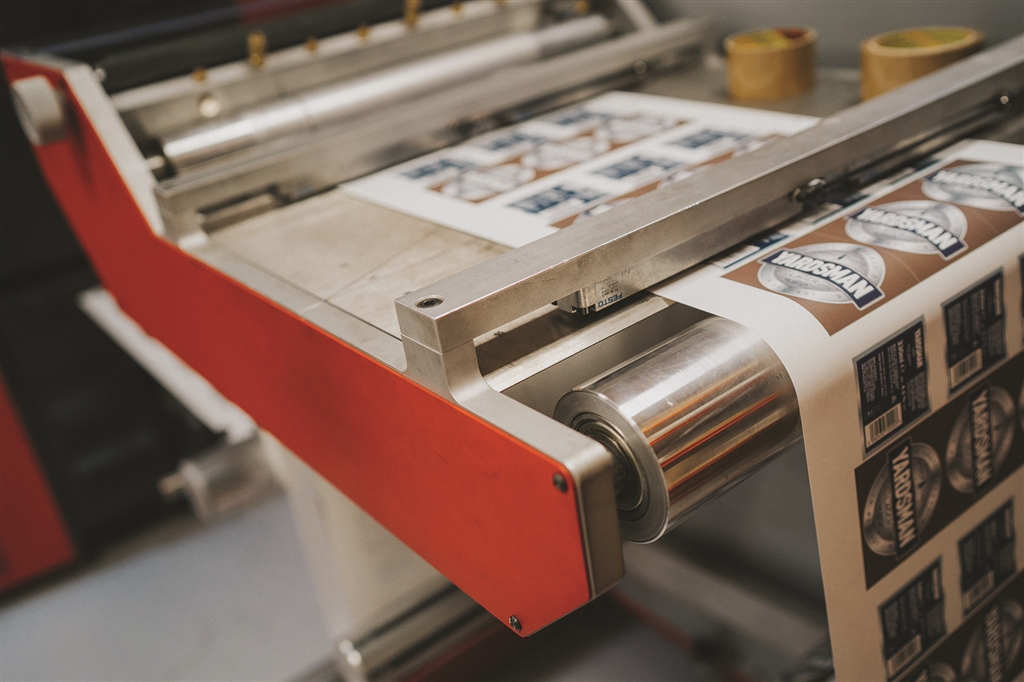
In today’s fast-evolving technological landscape, the significance of digital watermarking in printing cannot be overstated. Especially for business professionals, understanding how this technology integrates with printing processes is vital. Whether you’re in publishing, packaging, or any industry relying on print, knowing how to protect your products with digital watermarks can offer substantial advantages.

What is Digital Watermarking?
Digital watermarking is a process of embedding information into a digital signal in a way that is difficult to remove. This technology is widely used to protect intellectual property and verify authenticity. In the context of printing, it involves embedding a digital signature into printed materials, which can later be detected or extracted to verify the origin and authenticity of the printed product.
Importance of Digital Watermarking in Printing
The use of digital watermarking in printing is crucial for a variety of reasons. Primarily, it serves as a deterrent against counterfeiting, ensuring that printed products remain genuine. This is particularly important in industries where authenticity is paramount, such as pharmaceuticals, legal documents, and high-end consumer goods.
Benefits for Business Professionals
For business professionals, integrating digital watermarking within printing processes can offer a competitive edge. It enhances brand protection, secures intellectual property, and ensures that consumers receive authentic products. By adopting this technology, businesses can not only protect their interests but also build trust with their clients.
How Digital Watermarking Works in Printing
The process involves embedding a watermark into the print layout, which is invisible to the naked eye but detectable with special software. This watermark contains data about the product, manufacturer, or any other relevant information, and can be retrieved using a scanner or smartphone app.
Types of Digital Watermarks
There are two primary types of digital watermarks: visible and invisible. Visible watermarks are apparent and usually serve as a deterrent against unauthorized use. Invisible watermarks, on the other hand, are hidden within the print and require special tools to detect. Both types are used strategically depending on the level of security required.
Applications in Various Industries
The application of digital watermarking in printing spans numerous industries. In publishing, it is used to protect books and magazines from piracy. In the packaging industry, it helps ensure that branded packaging is not counterfeited. Moreover, in the financial sector, it is instrumental in securing sensitive documents.
Case Study: Success in the Packaging Industry
One notable application of digital watermarking is in the packaging industry, where it has significantly reduced instances of counterfeit packaging. By embedding watermarks into packaging designs, manufacturers can ensure that their products are distinguishable from fake ones, thus maintaining brand integrity.
Implementing Digital Watermarking in Your Business
For businesses looking to implement this technology, it is important to work with experienced providers who understand the nuances of digital watermarking. The implementation process involves designing the watermark, integrating it into the print design, and setting up the necessary detection tools.
Choosing the Right Provider
When selecting a provider for digital watermarking services, consider their experience, technology offerings, and customer support. A reliable provider will guide you through the process, ensuring that the watermarking solution meets your specific needs.
Challenges and Considerations
While digital watermarking offers many benefits, it also comes with challenges. These include the cost of implementation, the need for specialized equipment, and potential legal considerations regarding privacy and data protection.
Addressing Cost Concerns
To address cost concerns, businesses should consider the long-term benefits of digital watermarking. While initial costs may be high, the reduction in counterfeit-related losses and enhanced brand protection can provide a strong return on investment.
Future of Digital Watermarking in Printing
The future of digital watermarking in printing is promising, with advancements in technology making it more accessible and effective. As counterfeiters become more sophisticated, digital watermarking will continue to evolve, offering stronger protection and new applications.
Technological Advancements
New technologies, such as blockchain integration and AI-driven detection tools, are set to enhance the capabilities of digital watermarking. These advancements will make it easier to trace and verify products, further securing supply chains.
Conclusion
In conclusion, digital watermarking in printing is an essential tool for business professionals seeking to protect their brands and products. By understanding and implementing this technology, businesses can safeguard their interests, build consumer trust, and stay ahead in competitive markets.

FAQs
What are the benefits of digital watermarking?
Digital watermarking provides protection against counterfeiting, enhances brand integrity, and ensures the authenticity of printed materials.
How is digital watermarking implemented?
It involves embedding a digital signature into printed materials, which can be detected using specialized tools.
Is digital watermarking cost-effective?
While initial costs may be high, the long-term benefits of reduced counterfeit losses and enhanced brand protection often outweigh these costs.
This article contains affiliate links. We may earn a commission at no extra cost to you.