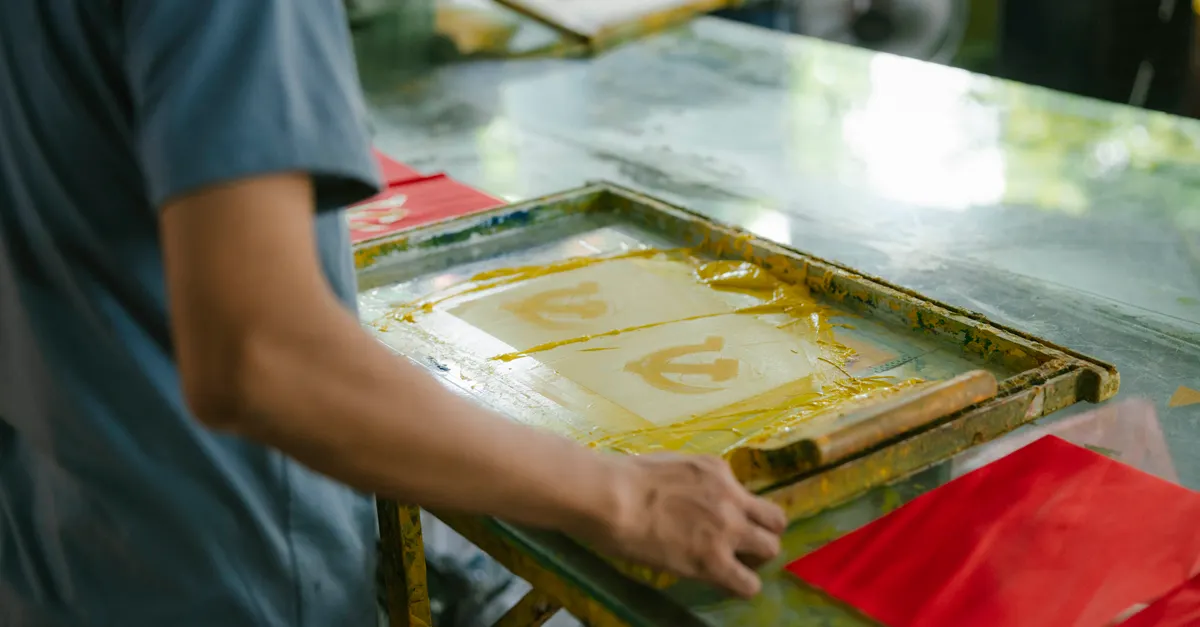
Sustainability is becoming a key focus for small businesses looking to reduce costs and environmental impact. As printing remains a necessary part of daily operations for many organizations, adopting sustainable printing practices for small businesses is both a responsible and practical step. By making thoughtful choices about materials, equipment, and processes, even the smallest companies can significantly decrease their ecological footprint while often saving money in the long run.

Why Sustainability Matters in Business Printing
For small businesses, every decision counts—especially when it comes to resource use and waste. Embracing eco-conscious printing methods can help minimize landfill contributions, lower energy consumption, and demonstrate a commitment to environmental responsibility. Beyond environmental benefits, these efforts can also improve brand reputation, attract eco-minded customers, and lead to operational savings. In a competitive market, showing leadership in sustainability can set a business apart and foster long-term loyalty.
Eco-Friendly Printing Methods and Their Benefits
There are several environmentally friendly printing techniques that small businesses can adopt, each offering unique advantages. Understanding these methods is the first step toward making more sustainable choices.
- LED UV Printing: This technology uses light-emitting diodes to cure ink instantly, resulting in lower energy use and eliminating the need for harmful chemicals. Unlike traditional printing, LED UV systems operate at cooler temperatures and do not emit ozone or volatile organic compounds, making them safer for both workers and the environment.
- Recycled Paper: Choosing recycled paper helps extend the lifecycle of paper products and reduces the demand for virgin materials. This not only conserves trees but also cuts down on water and energy usage during production. Many recycled papers now offer high quality suitable for professional documents and marketing materials. For more information on the benefits of recycling, visit the EPA’s recycling basics and benefits page.
- Digital Printing: Digital presses are ideal for small print runs, reducing waste by printing only what is needed. They also allow for easy customization and quick turnaround without the setup waste associated with offset printing.
Implementing these methods can be straightforward. For example, many local print shops now offer LED UV services, and recycled paper is widely available through office suppliers. For more insights on advanced options, see resources on sustainable printing techniques that modern businesses are using.
How to Choose and Use Sustainable Materials
Selecting the right materials is a crucial part of any eco-friendly printing strategy. Small businesses often have unique needs and budget constraints, so it’s important to balance sustainability with practicality.
Understanding Eco-Friendly Inks
Eco-friendly inks are formulated to reduce environmental harm. Options include:
- Vegetable-based inks: Made from renewable resources like soy or linseed oil, these inks emit fewer pollutants during printing and decompose more easily than petroleum-based alternatives.
- Water-based inks: Commonly used for packaging and textiles, water-based inks contain fewer volatile organic compounds and are less toxic.
When sourcing inks, ask suppliers about certifications such as the EcoLogo or Green Seal, which indicate compliance with environmental standards. For businesses that outsource printing, request that your print provider uses these types of inks.
Choosing Sustainable Papers
Paper selection can have a significant impact on your sustainability goals. Here are some tips for small businesses:
- Recycled content: Look for paper with a high percentage of post-consumer recycled content. This reduces the need for virgin pulp and supports recycling markets.
- Certifications: Papers certified by organizations like the Forest Stewardship Council (FSC) ensure responsible forest management and sourcing.
- Carbon-balanced options: Some paper brands offset their carbon emissions through verified projects, further reducing environmental impact.
To implement these materials, start by reviewing your current paper and ink inventory. Replace standard supplies with eco-friendly alternatives as you reorder. If you use a print service, specify your preferences and ask for samples to ensure quality meets your needs.
Reducing Waste and Improving Efficiency in Printing
Waste reduction is a cornerstone of sustainable printing practices for small businesses. By adopting a few strategic habits and technologies, companies can cut costs and lessen their environmental impact.
- Double-Sided Printing: Enabling duplex (double-sided) printing on office printers can cut paper use by up to half. Most modern printers support this feature, and it can often be set as the default option.
- Print Preview and Digital Proofing: Always review documents on screen before printing to catch errors and avoid unnecessary reprints.
- Print on Demand: Only print what you need, when you need it. This approach minimizes overproduction and storage waste, especially for marketing materials that may become outdated.
- Track Usage: Use print management software or simple tracking sheets to monitor print volumes and identify areas for improvement.
Investing in energy-efficient printers can also make a difference. Look for ENERGY STAR certified models, which consume less power during operation and standby. Regular maintenance, such as cleaning print heads and updating firmware, helps equipment run efficiently and extends its lifespan.
Step-by-Step Guide to Greener Printing for Small Businesses
- Assess Your Current Printing Habits: Review how much and what types of materials you print. Identify high-volume areas and unnecessary print jobs.
- Set Sustainability Goals: Define clear, measurable objectives—such as reducing paper use by 30% or switching to 100% recycled paper within six months.
- Source Sustainable Materials: Contact suppliers for eco-friendly paper and ink options. Request samples and compare costs and quality.
- Upgrade Equipment if Needed: If your current printers are inefficient, consider models that support duplex printing and have energy-saving features.
- Train Your Team: Educate employees on new policies, such as defaulting to double-sided printing and using digital alternatives when possible.
- Monitor and Adjust: Track progress toward your goals and adjust practices as needed. Celebrate milestones and share results with your team.
By following these steps, small businesses can make meaningful progress toward more sustainable operations without overwhelming their resources.

Looking Ahead: The Future of Green Printing for Small Businesses
Sustainable printing is not a one-time project but an ongoing journey. As new technologies and materials become available, small businesses can continue to improve their practices. Staying informed about industry trends—such as advances in biodegradable substrates or innovations in digital printing—will help companies remain at the forefront of sustainability.
Building relationships with eco-conscious suppliers and print partners can also open up new opportunities for collaboration and innovation. By making sustainability a core part of their operations, small businesses can contribute to a healthier planet while strengthening their own resilience and reputation.
Frequently Asked Questions
What are the easiest sustainable printing changes a small business can make?
Start by enabling double-sided printing, switching to recycled paper, and using print preview to avoid mistakes. These steps require minimal investment but can have a significant impact on reducing waste and resource use.
Are eco-friendly inks and papers more expensive?
While some sustainable materials may have a slightly higher upfront cost, the price gap has narrowed as demand grows. Many small businesses find that savings from reduced waste and improved efficiency offset any additional expense.
How can I measure the impact of my printing sustainability efforts?
Track paper and ink usage, monitor energy consumption, and set clear reduction targets. Print management tools and regular reviews can help you assess progress and identify further opportunities for improvement.