Sublimation printing has become a popular choice for businesses and hobbyists seeking vibrant, long-lasting prints on a variety of products. However, before starting or expanding a printing operation, it’s essential to understand the full range of expenses involved. From initial investments in equipment to ongoing operational and maintenance costs, knowing what to expect can help you budget effectively and make informed decisions. This guide provides a comprehensive breakdown of sublimation printing costs, covering both the upfront and recurring expenses that impact your bottom line.

Getting Started: Equipment Expenses
The first step in any sublimation printing setup is acquiring the right equipment. The heart of the process is the sublimation printer, and prices can vary significantly depending on the model and features. For small businesses or home-based operations, entry-level printers such as the Sawgrass SG500 or SG1000 typically range from $680 to $1,800. These models are designed for reliability and quality, making them a solid choice for those new to the field.
Many suppliers offer starter kits that bundle the printer with essential accessories like ink, paper, and sometimes a heat press. These kits can cost between $900 and $2,500, depending on the included items and the printer’s capabilities. While the upfront investment may seem substantial, starter kits often provide better value by ensuring compatibility between components and simplifying the setup process.
Beyond the printer, you’ll need a heat press to transfer designs onto substrates, such as t-shirts, mugs, or other items. Heat presses come in various sizes and styles, with prices ranging from a few hundred to over a thousand dollars. Additional equipment, like VersiFlex kits for multi-surface printing, can further expand your capabilities but will add to the initial outlay.
Understanding Consumable Costs: Ink and Paper
Once your equipment is in place, ongoing expenses for consumables become a key consideration. The two most significant consumables in sublimation printing are ink and transfer paper. The cost of these materials can vary by brand, printer model, and the quality level you choose.
To accurately estimate these expenses, it’s helpful to use a cost calculator that factors in design dimensions, printer model, substrate cost, and print quantity. Such tools allow you to input specific details and receive a realistic calculation of ink and material usage per job. This approach helps avoid underestimating costs, which can erode profit margins over time.
Ink is typically sold in cartridges or bottles, with prices influenced by the printer brand and the size of the container. High-quality inks may cost more upfront but often deliver better color fidelity and longevity. Transfer paper costs also vary, with specialty papers for different substrates (like mugs or fabrics) sometimes commanding a premium. By tracking your actual usage and costs, you can identify opportunities to optimize purchasing and reduce waste.
For more details on selecting the right supplies, you may find it helpful to review information about sublimation printing materials to ensure you’re choosing products that fit your needs and budget.
Breaking Down Ongoing Operational Costs
While equipment and consumables are the most visible expenses, ongoing operational costs play a crucial role in the overall economics of sublimation printing. These costs are often overlooked but can significantly impact profitability, especially as your operation grows.
Maintenance and Repairs
Regular maintenance is necessary to keep your printer and heat press running smoothly. This includes tasks like cleaning print heads, replacing worn parts, and calibrating equipment. While some maintenance can be performed in-house at minimal cost, occasional professional servicing or part replacements may be required, adding to your annual expenses.
Labor and Time
Whether you’re a solo operator or managing a team, labor costs should be factored into your calculations. This includes the time spent preparing artwork, setting up prints, pressing items, and performing quality checks. Even if you don’t pay yourself a formal wage, accounting for your time helps you evaluate the true profitability of your business.
Utilities and Overhead
Electricity usage is another operational expense, especially for businesses running multiple printers or heat presses. While individual machines may not consume large amounts of power, costs can add up over time. Other overheads, such as workspace rent, insurance, and administrative expenses, should also be included in your cost analysis.
By tracking these ongoing costs, you can identify areas for improvement and ensure your pricing covers all necessary expenses, not just the obvious ones.
How to Calculate the Total Cost Per Print
Determining the true cost of each print is essential for setting competitive prices and maintaining profitability. A comprehensive calculation should include:
- Equipment depreciation: Spread the initial cost of your printer, heat press, and other tools over their expected lifespan.
- Consumables: Factor in the actual ink and paper used per print, based on design size and print run.
- Labor: Include the time spent on design, setup, printing, and finishing.
- Utilities and overhead: Allocate a portion of your monthly expenses to each print based on production volume.
- Maintenance: Estimate routine and occasional repair costs as part of your per-print calculation.
Using a dedicated cost calculator can simplify this process. These tools allow you to input variables like design dimensions, printer type, substrate cost, and quantity, generating a detailed breakdown of ink and material usage. This approach ensures you’re not overlooking hidden expenses and helps you set prices that reflect your true costs.
Key Factors That Influence Sublimation Printing Costs
Several variables can affect the overall cost structure of your sublimation printing operation:
- Print volume: Higher production volumes can reduce per-print costs by spreading fixed expenses over more units.
- Design complexity: Larger or more intricate designs use more ink and paper, increasing consumable costs.
- Substrate type: Printing on specialty items (like mugs or metal panels) may require unique materials or additional equipment.
- Brand and quality of supplies: Premium inks and papers often cost more but may deliver better results and fewer reprints.
- Efficiency of workflow: Streamlined processes reduce labor time and waste, improving cost-effectiveness.
Understanding these factors allows you to make informed choices about equipment upgrades, supply purchases, and workflow improvements, all of which can help control sublimation printing costs over time.
Comparing Sublimation Printing to Other Methods
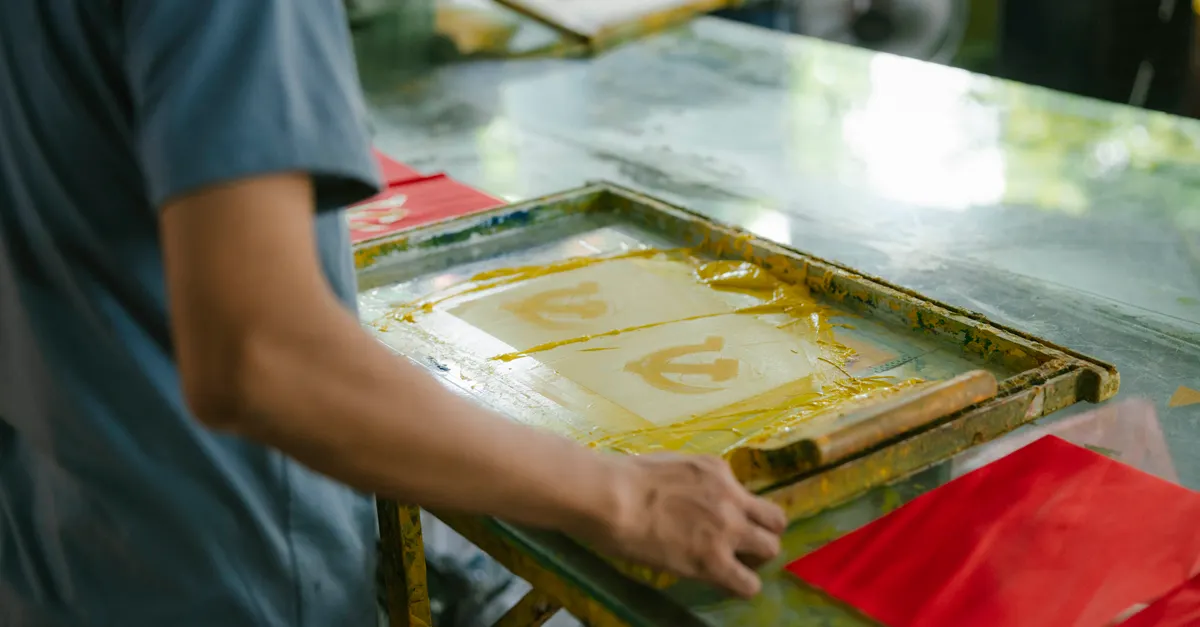
When evaluating the economics of sublimation printing, it’s helpful to compare it with alternative techniques like screen printing or direct-to-garment (DTG) printing. While sublimation offers advantages in color vibrancy and durability, its cost structure differs. For example, screen printing may have lower consumable costs for large runs but requires more setup time and specialized mesh sizes. DTG printing can handle complex designs on cotton fabrics but may involve higher ink costs.
Each method has its own balance of equipment, consumables, and operational expenses. By understanding the unique cost profile of sublimation, you can determine whether it’s the right fit for your production needs and business goals.

Frequently Asked Questions
What is the biggest ongoing expense in sublimation printing?
The most significant recurring costs are typically ink and transfer paper, as these are consumed with every print. Maintenance and utility expenses also add up over time, especially in high-volume operations.
How can I reduce my sublimation printing costs?
Buying consumables in bulk, maintaining equipment regularly, and optimizing your workflow can all help lower expenses. Tracking your actual usage and costs allows you to spot inefficiencies and make data-driven improvements.
Is it worth investing in a starter kit?
Starter kits often provide good value by bundling compatible equipment and supplies at a lower combined price. They’re especially useful for beginners who want to ensure all components work well together and avoid compatibility issues.
Conclusion
Understanding the full range of sublimation printing costs is essential for anyone looking to succeed in this vibrant industry. By considering both the initial investment in equipment and the ongoing operational expenses, you can make informed decisions that support long-term profitability. Accurate cost calculations, regular tracking, and a focus on efficiency will help you stay competitive and build a sustainable printing business.