Sublimation printing has become a go-to solution for businesses and creators seeking high-quality, durable, and customizable prints. Whether producing vibrant apparel, personalized gifts, or promotional items, this technique offers a unique set of benefits that set it apart from traditional printing methods. Understanding the sublimation printing advantages can help you determine if this process is the right fit for your next project.

Understanding the Sublimation Printing Process
At its core, sublimation printing is a digital technique that uses heat to transfer dye onto materials such as polyester fabrics, coated ceramics, and certain plastics. The process involves printing a design with special sublimation inks onto transfer paper, then applying heat and pressure to bond the dye with the substrate. Unlike surface-level printing, the dye becomes part of the material itself, resulting in a smooth, long-lasting finish.
This method stands out for its ability to produce detailed, full-color images without the limitations of traditional screen or direct-to-garment (DTG) printing. For a deeper dive into the technical steps, you might find a sublimation printing process guide helpful.
Key Advantages of Sublimation Printing
Several factors contribute to the growing popularity of sublimation printing, especially when compared to other techniques. Here are some of the most significant benefits:
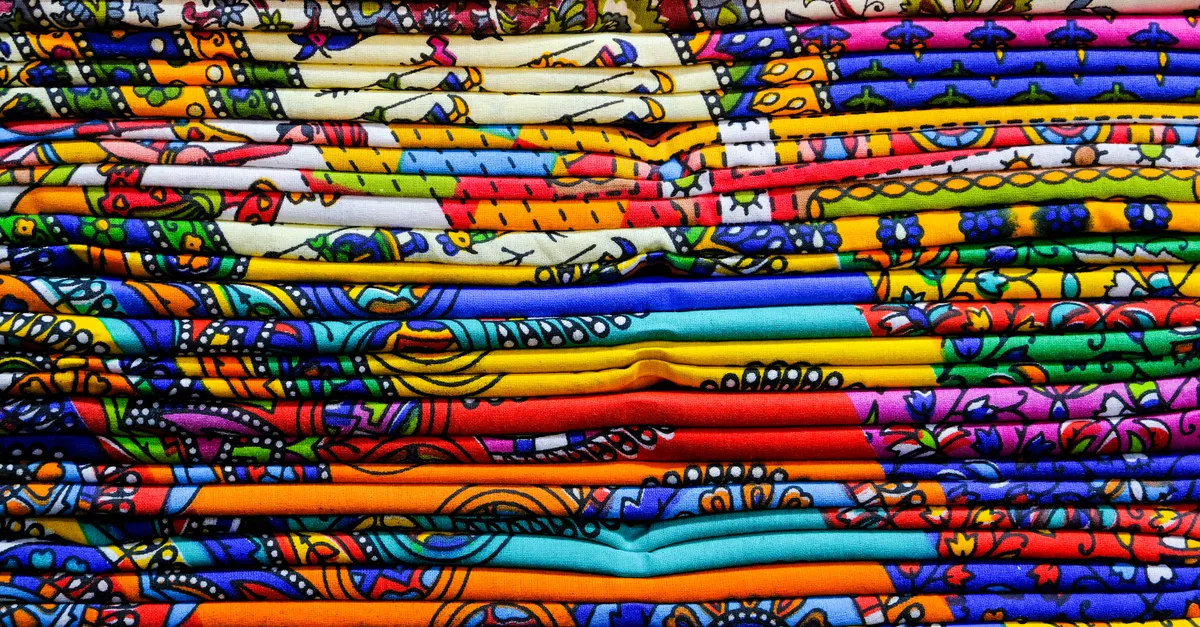
- Vibrant Color Reproduction: Sublimation printing uses CMYK inks to achieve an almost unlimited range of colors. Unlike screen printing, which requires separate screens for each color, this process allows for complex gradients and photo-quality images without additional setup or cost. The result is exceptionally vivid and detailed prints.
- Durability and Longevity: One of the standout sublimation printing advantages is the way the ink becomes part of the substrate. Because the dye penetrates the material rather than sitting on top, prints are resistant to scratching, fading, and peeling. This makes them ideal for items that undergo frequent washing or handling, such as apparel, mugs, and signage.
- Soft, Unnoticeable Finish: Since the ink is embedded within the fibers or coating, the printed area remains smooth and unnoticeable to the touch. There’s no added weight or texture, which is especially important for wearable items like t-shirts and sportswear.
- Cost-Effective for Full-Color Designs: With sublimation, adding more colors or intricate designs does not increase production costs. This makes it a budget-friendly choice for short runs, prototypes, or products requiring frequent design changes.
- Customization and Personalization: The digital nature of sublimation printing makes it easy to personalize each item, whether you’re adding names, numbers, or unique graphics. This flexibility is highly valued in markets like team sports, corporate gifts, and custom merchandise.
Comparing Sublimation Printing with Other Methods
To fully appreciate the sublimation printing advantages, it’s helpful to compare this process with other popular techniques such as DTG (direct-to-garment) and screen printing.
Sublimation vs. Screen Printing
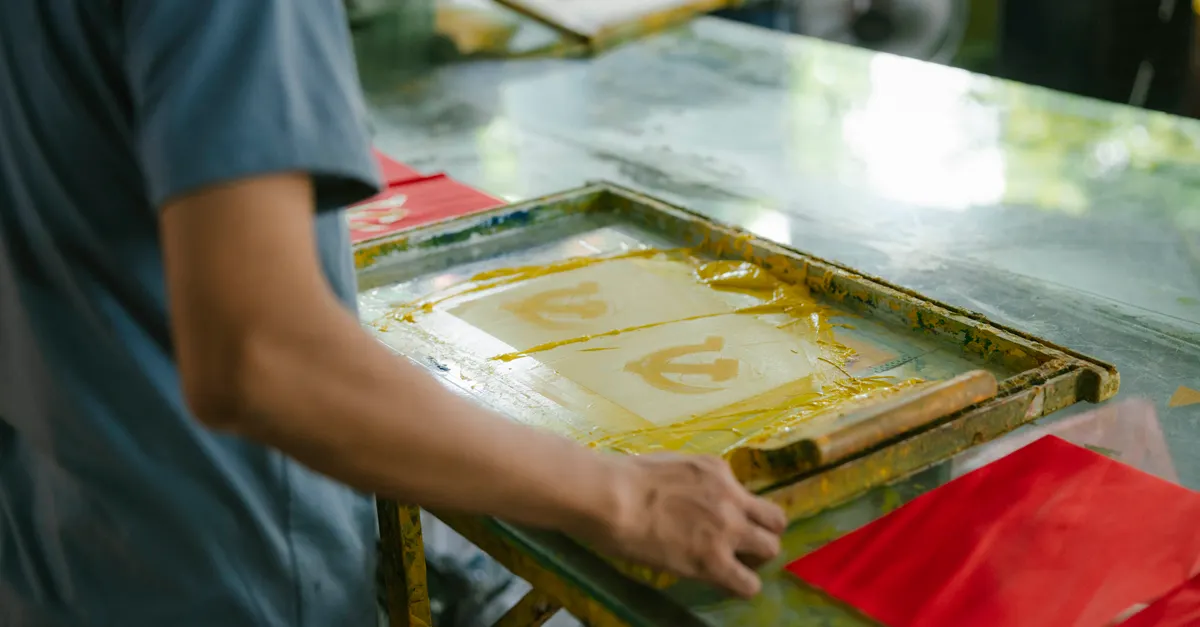
- Setup and Color Flexibility: Screen printing requires a separate screen for each color, making it less practical for multi-color or photographic designs. Sublimation, on the other hand, handles unlimited colors in a single pass, saving both time and money.
- Print Feel and Durability: Screen prints can sometimes feel heavy or rubbery, especially with large solid areas. Sublimation prints are soft and integrated into the fabric, offering superior comfort and longevity.
- Best Use Cases: Screen printing excels on cotton and dark fabrics, while sublimation is best for light-colored polyester and coated substrates.
Sublimation vs. DTG Printing
- Material Compatibility: DTG works well on cotton, but struggles with polyester and synthetic blends. Sublimation is specifically designed for polyester-based materials and coated surfaces.
- Setup Time: Sublimation printing requires minimal setup compared to DTG, which often involves pre-treatment and longer preparation. This makes sublimation more efficient for small batches and on-demand production.
- Color and Detail: Both methods can produce detailed, full-color images, but sublimation offers greater vibrancy and resistance to fading over time.
While each method has its strengths, the unique combination of vibrant colors, durability, and efficiency makes sublimation a preferred choice for many applications.
Applications and Suitable Materials for Sublimation Printing
Sublimation printing is not universally compatible with all materials, but it excels in specific applications where its strengths can shine. The process works best on polyester fabrics and polymer-coated items, as these substrates allow the dye to bond effectively during the heat transfer stage.
- Apparel: Sportswear, activewear, and custom t-shirts made from polyester blends are ideal candidates. The prints remain vibrant and withstand repeated washing without cracking or fading.
- Home Décor: Items like pillowcases, curtains, and tablecloths benefit from the ability to print edge-to-edge, full-color designs.
- Promotional Products: Mugs, mouse pads, keychains, and phone cases with a polymer coating are popular choices for sublimation, offering both durability and customization.
- Signage and Banners: Polyester-based banners and flags maintain their color and integrity even when exposed to outdoor conditions.
- Ceramics and Hard Goods: With the right coating, ceramics like mugs and tiles can be sublimated for long-lasting, dishwasher-safe designs.
For those interested in exploring creative possibilities, there are many ways to use sublimation printing for t-shirts and other custom products.
Potential Limitations to Consider
While the sublimation printing advantages are numerous, it’s important to be aware of certain limitations:
- Material Restrictions: Sublimation only works on polyester fabrics or polymer-coated surfaces. Natural fibers like cotton are not compatible without special treatments.
- Color Limitations: The process is most effective on white or light-colored substrates. Dark materials do not allow the dye to show up clearly.
- Initial Equipment Investment: Specialized printers, inks, and heat presses are required, which may be a consideration for small businesses just starting out.
Despite these considerations, for the right applications, the benefits of sublimation printing often outweigh the drawbacks.
Conclusion: The Case for Sublimation Printing
Sublimation printing stands out for its ability to deliver vibrant, durable, and highly customizable results across a range of products. The process’s unique integration of ink and substrate ensures prints that are both visually striking and long-lasting. Compared to screen printing and DTG, sublimation offers greater efficiency, color flexibility, and print quality on suitable materials. For businesses and creators seeking a cost-effective solution for full-color, personalized items, this technique is a compelling choice.
Frequently Asked Questions
What makes sublimation printing more durable than other methods?
The ink in sublimation printing becomes part of the material itself, rather than sitting on top. This integration means the print is highly resistant to scratching, fading, and peeling, making it ideal for items that are washed or handled frequently.
Can sublimation printing be used on any type of fabric?
No, sublimation printing works best on polyester fabrics or materials with a special polymer coating. It is not effective on cotton or dark-colored substrates unless they have been specially treated.
Is sublimation printing cost-effective for small orders?
Yes, one of the sublimation printing advantages is its low setup cost and flexibility. There are no additional charges for adding colors or changing designs, making it suitable for small batches and personalized items.