Finding the most suitable sublimation printing ink is essential for anyone aiming to achieve vibrant, long-lasting results on fabrics, ceramics, or other compatible substrates. The right ink not only affects the color accuracy and durability of your prints but also impacts workflow efficiency and production costs. Whether you’re a small business owner, a hobbyist, or expanding your custom product line, understanding the nuances of sublimation inks will help you make informed decisions and avoid costly mistakes.
Understanding Sublimation Printing Ink
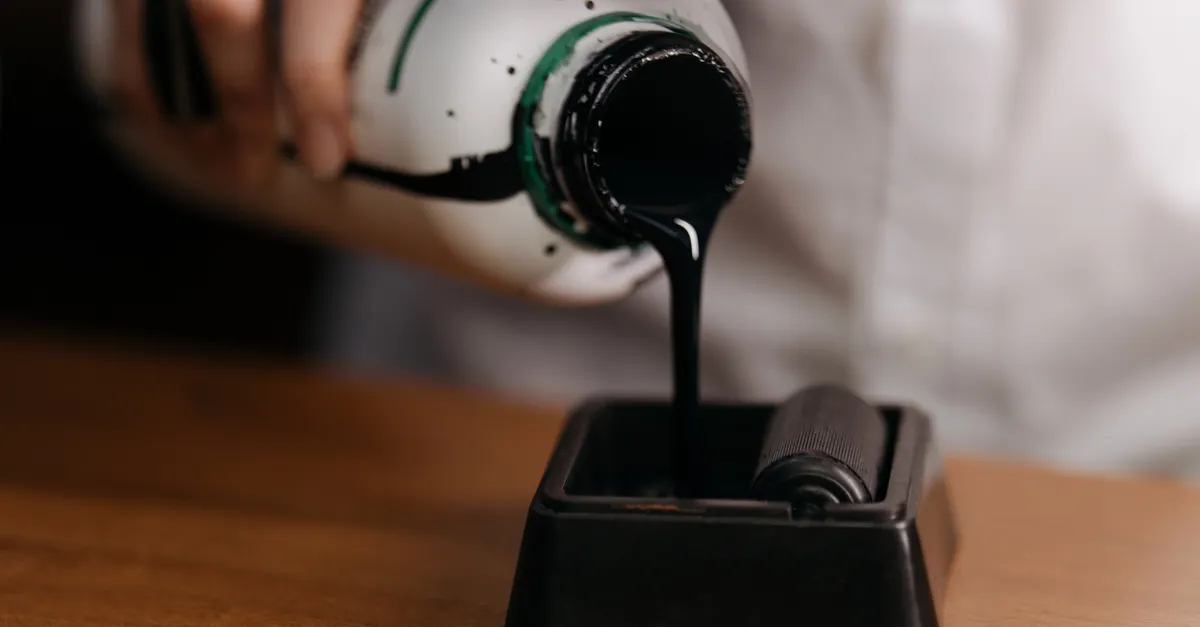
Sublimation printing ink is a specialized dye-based formulation designed to convert from a solid to a gas without passing through a liquid phase. This unique property allows the ink to bond with polyester fibers or polymer-coated surfaces when heat and pressure are applied. The result is a permanent, high-resolution image that won’t crack, peel, or fade easily.
Unlike traditional pigment or solvent inks, sublimation dyes penetrate the surface of the substrate, creating a smooth, durable finish. This makes them ideal for producing custom apparel, promotional items, and personalized gifts. However, not all sublimation inks are created equal, and choosing the right one depends on several factors, including your printer model, intended use, and desired print quality.
Key Factors When Selecting Sublimation Inks
Before purchasing any sublimation printing ink, it’s important to evaluate the following aspects to ensure compatibility and optimal results:
- Printer Compatibility: Not all inks work with every printer. Some are formulated for specific printhead technologies or brands. Always check the manufacturer’s recommendations before buying.
- Color Gamut and Vibrancy: High-quality inks offer a wide color range and produce vivid, accurate hues. This is especially important for detailed graphics or photographic prints.
- Fade Resistance: Look for inks that are UV-resistant and maintain their brightness after repeated washing or exposure to sunlight.
- Clogging and Maintenance: Some inks are more prone to clogging printheads, leading to downtime and increased maintenance. Opt for formulations known for smooth flow and minimal residue.
- Cost and Yield: While cheaper inks may seem attractive, they can lead to inconsistent results or damage your equipment. Consider the cost per print and the reliability of the supplier.
Types of Sublimation Inks and Their Applications
There are several types of sublimation printing ink available, each suited for different applications and printing setups:
- Water-Based Dye Sublimation Inks: These are the most common and are compatible with desktop and wide-format printers. They are ideal for textiles, soft signage, and custom apparel.
- Gel-Based Sublimation Inks: Used primarily in certain printer models, gel inks offer faster drying times and can be more efficient for high-volume production.
- High-Viscosity Inks: Designed for industrial printers, these inks are suitable for large-scale manufacturing and deliver consistent results on a variety of substrates.
Choosing the correct type depends on your production scale, substrate, and the specific printer you use. For example, water-based inks are perfect for small businesses or hobbyists, while high-viscosity or gel-based options are better for commercial operations.
Comparing Popular Sublimation Ink Brands
Several reputable brands offer sublimation printing ink with proven track records. When comparing brands, consider factors such as color consistency, customer support, and compatibility with your equipment. Some brands are known for their extensive color profiles, while others prioritize eco-friendly formulations or lower maintenance requirements.
It’s also wise to read reviews from other users with similar printing needs. Testing a small batch before committing to a large purchase can help you assess print quality and compatibility with your workflow.
Best Practices for Storing and Handling Sublimation Inks
Proper storage and handling of sublimation printing ink can extend its shelf life and maintain print quality:
- Store inks in a cool, dry place away from direct sunlight.
- Keep containers tightly sealed to prevent contamination and evaporation.
- Shake ink bottles gently before use to ensure even pigment distribution.
- Follow the manufacturer’s guidelines for expiration dates and usage timelines.
- Regularly clean your printer’s ink delivery system to avoid clogs and color inconsistencies.
By following these tips, you’ll minimize waste and ensure that every print meets your quality standards.
Common Issues and Troubleshooting Tips
Even with the best sublimation printing ink, occasional issues can arise. Here are some common problems and how to address them:
- Color Shifts: If colors appear off, check your printer’s color profiles and ensure you’re using the correct ICC profile for your ink and substrate.
- Banding or Streaks: This may indicate clogged nozzles or low ink levels. Perform a nozzle check and clean the printhead as needed.
- Poor Transfer: If the image doesn’t fully transfer to the substrate, verify your heat press settings (temperature, pressure, and time) and ensure you’re using compatible materials.
- Fading: Inadequate curing or low-quality ink can cause prints to fade prematurely. Use inks rated for UV resistance and follow recommended curing procedures.
Routine maintenance and attention to detail will help you avoid these pitfalls and produce consistently excellent results.
Integrating Sublimation Inks with Other Printing Methods
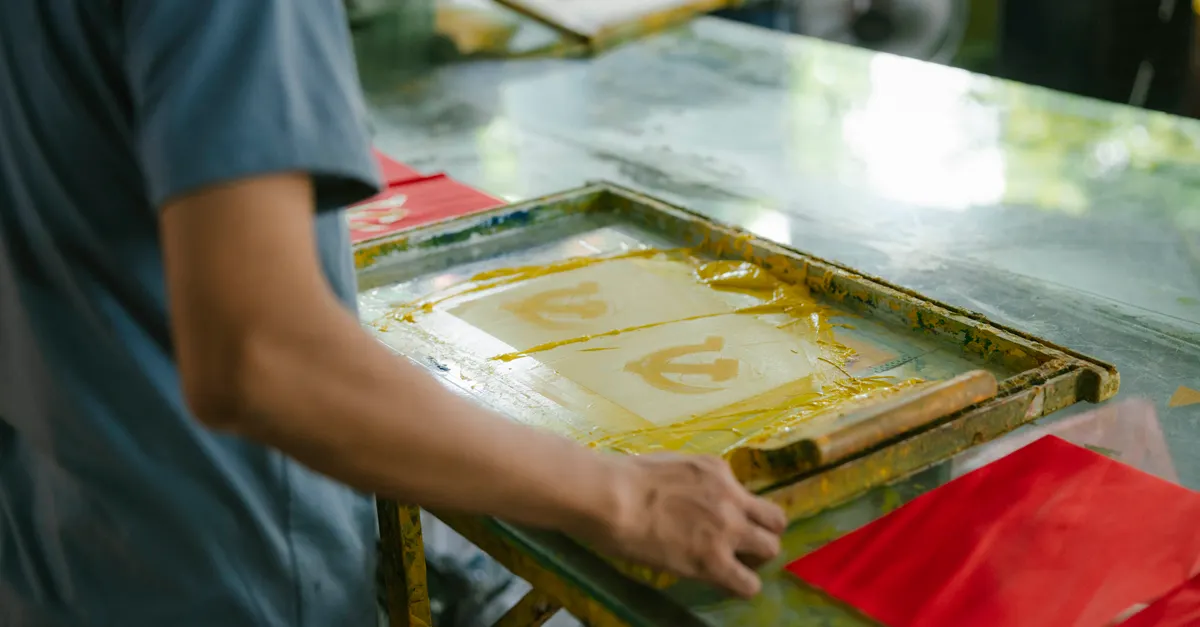
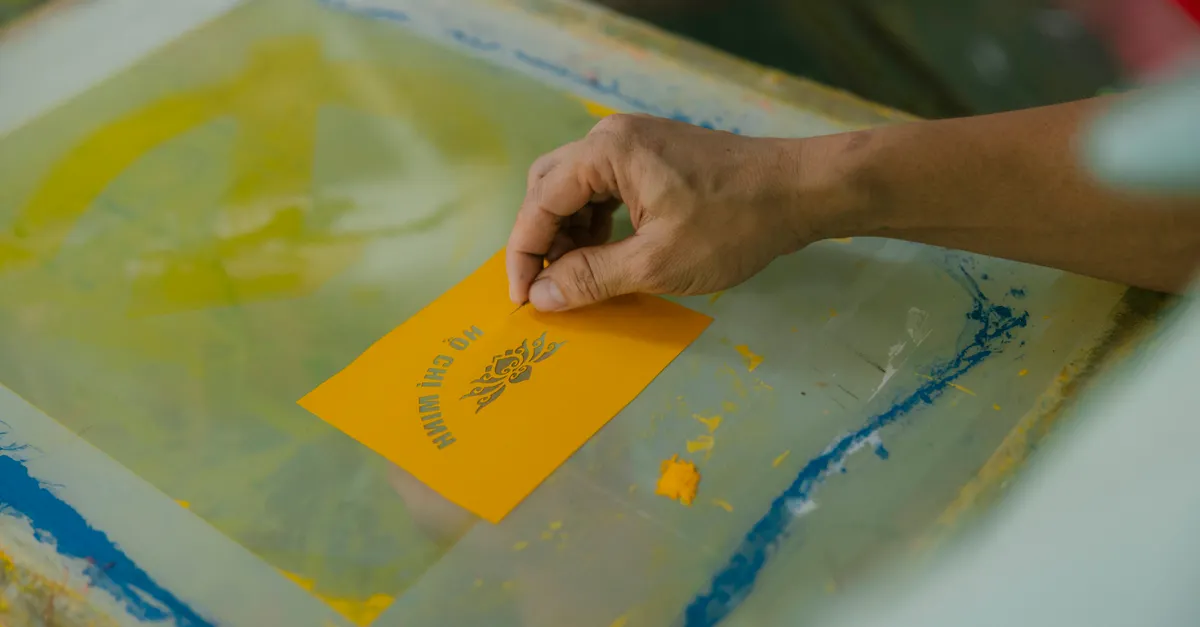
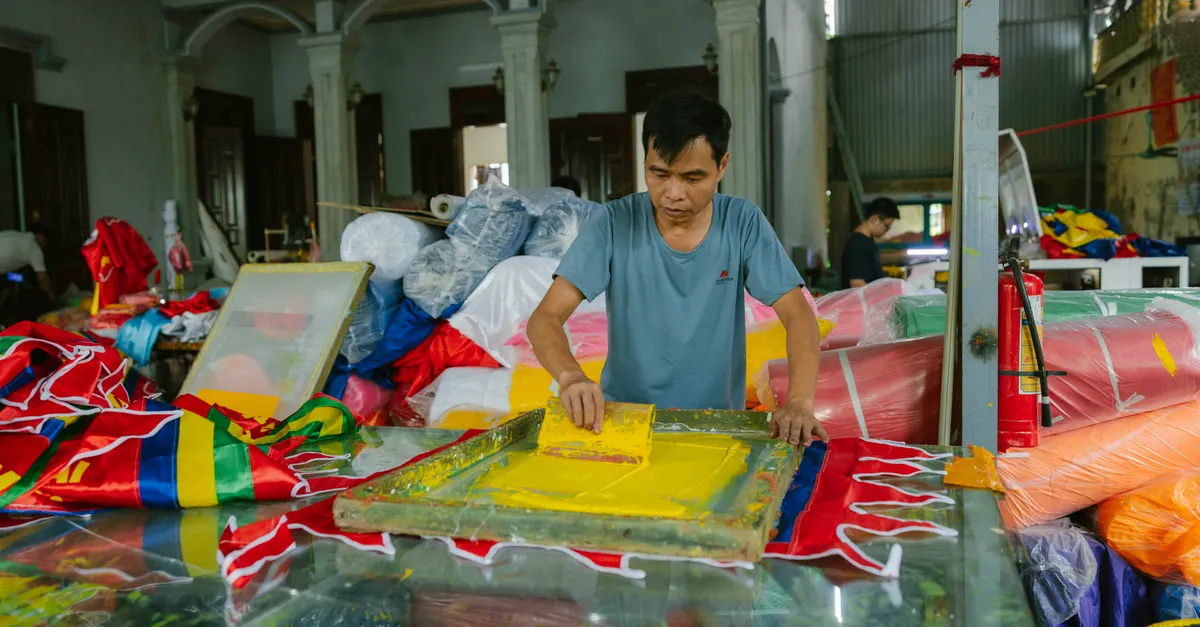
Many businesses combine sublimation printing ink with other techniques to expand their product offerings. For example, you might use screen printing for certain fabric projects and sublimation for full-color photographic designs. Understanding the strengths and limitations of each method allows you to choose the best approach for each job.
If you’re interested in exploring other ink options for textiles, you may find this overview of screen printing inks for fabric helpful for comparing processes and results.
Frequently Asked Questions
What materials are compatible with sublimation printing ink?
Sublimation inks work best on polyester fabrics and polymer-coated hard surfaces such as mugs, phone cases, and metal panels. Natural fibers like cotton do not bond with sublimation dyes, so results on those materials will be poor or temporary.
Can I use sublimation ink in any printer?
No, only printers with piezoelectric printheads are compatible with sublimation inks. Most Epson and some Ricoh printers are suitable, but always check the manufacturer’s specifications before attempting to use sublimation ink in your device.
How do I prevent my prints from fading?
To maximize fade resistance, use high-quality inks rated for UV protection, ensure proper heat press settings, and select compatible substrates. Washing printed fabrics inside out and avoiding harsh detergents can also help preserve color vibrancy.
Conclusion
Selecting the right sublimation printing ink is a crucial step in achieving professional, durable, and vibrant results for your custom products. By considering factors such as printer compatibility, color quality, and intended application, you can avoid common pitfalls and ensure your prints stand out. Remember to follow best practices for storage and maintenance, and don’t hesitate to explore complementary printing techniques to diversify your offerings. With the right knowledge and preparation, your sublimation projects can reach their full potential.