Customizing apparel has never been more accessible, and one of the most popular methods today is sublimation printing for t-shirts. This technique allows creators, small businesses, and hobbyists to produce vibrant, durable, and unique designs on clothing. Whether you’re looking to launch your own custom T-shirt line or simply want to experiment with personal projects, understanding how this process works and what it requires is essential. In this guide, we’ll explore the process, materials, benefits, drawbacks, comparisons with other methods, and practical tips to help you get started and avoid common pitfalls.

What Is Sublimation Printing and Why Use It for T-Shirts?
Sublimation printing is a digital printing technique that uses heat to transfer dye onto materials such as fabric, ceramics, or metal. For T-shirts, this means infusing the design directly into the fibers of the garment, rather than just sitting on top of the fabric as with traditional screen printing. The result is a design that is both vibrant and long-lasting.
This method has gained popularity for custom T-shirt creation because it produces full-color, high-resolution images that won’t crack, peel, or fade easily. It’s especially favored for sportswear, promotional apparel, and any project where durability and color vibrancy are priorities.
Step-by-Step: The Sublimation Printing Process for T-Shirts
To achieve professional results with sublimation printing for t-shirts, it’s important to follow a precise workflow. Here’s a breakdown of the typical process:
- Design Creation: Start by creating your artwork using graphic design software. Remember, colors may appear more vibrant after pressing, so consider this in your design.
- Printing the Design: Print your design onto special sublimation paper using a printer equipped with sublimation inks. This paper holds the dye in place until heat is applied.
- Preparing the T-Shirt: Place the T-shirt flat on a heat-resistant surface. Ensure it is clean and free from lint or moisture, as these can affect the transfer.
- Transferring the Design: Position the printed sublimation paper face-down on the shirt. Secure it with heat-resistant tape to prevent shifting.
- Heat Press Application: Use a heat press to apply even pressure and high temperature (typically around 385–400°F or 195–205°C) for 40–60 seconds. This causes the dye to turn into gas and bond with the fabric fibers.
- Cooling and Finishing: Carefully remove the paper and allow the shirt to cool. The design is now a permanent part of the fabric.
For a more detailed breakdown of each stage, you can refer to this sublimation printing process overview.
Essential Materials and Equipment for Quality Results
To get started with sublimation, you’ll need a few key items. Choosing the right materials is crucial for achieving the best results:
- Sublimation Printer and Inks: A printer capable of handling sublimation inks is a must. These inks turn into gas under heat and bond with polyester fibers.
- Sublimation Paper: Specially coated paper designed to hold and release the dye efficiently during the heat press process.
- Heat Press Machine: Unlike a regular iron, a heat press provides consistent temperature and pressure, which are vital for a successful transfer.
- Polyester T-Shirts: The fabric must be at least 65% polyester for optimal results. Shirts like the Gildan G800 and A4 A4N3402 are popular choices due to their high polyester content and smooth surface, which help produce crisp, vibrant images.
- Protective Paper or Teflon Sheets: These prevent ink from transferring onto the heat press or other parts of the shirt.
- Lint Roller and Heat-Resistant Tape: A lint roller removes dust and fibers, while tape secures the transfer paper in place.
Selecting the right T-shirt is especially important. Cotton shirts do not work well with sublimation, as the dye bonds best with polyester fibers. For those seeking a soft feel and bright colors, shirts with a high polyester count are recommended.
Advantages and Limitations of Sublimation Printing
Sublimation printing offers several notable benefits for T-shirt customization:
- Vibrant, Long-Lasting Colors: The dye becomes part of the fabric, resulting in colors that are both bright and resistant to fading, cracking, or peeling.
- Soft Feel: Since the ink is infused into the fibers, the shirt remains soft and breathable, unlike some other methods that leave a heavy print layer.
- Full-Color Printing: Complex, multi-color designs and photographic images can be reproduced with ease.
- Durability: The prints withstand repeated washing and wearing without significant loss of quality.
However, there are some drawbacks to consider:
- Material Limitations: Sublimation only works on polyester or polyester-coated fabrics. Cotton and dark-colored shirts are not suitable.
- Color Restrictions: The process is best suited for white or light-colored garments, as the dye is translucent and won’t show well on dark backgrounds.
- Initial Equipment Cost: Investing in a heat press and compatible printer can be expensive for beginners.
Despite these limitations, the versatility and durability of sublimation make it a preferred choice for many custom apparel projects.
How Sublimation Stacks Up Against Other Printing Methods
When choosing a printing method, it’s helpful to compare sublimation printing for t-shirts with alternatives like Direct-to-Film (DTF) and traditional screen printing:
- Sublimation vs. DTF: DTF printing allows for transfers onto a wider range of fabrics, including cotton and dark garments, by printing designs onto a special film and then applying them with adhesive. However, DTF prints often sit on top of the fabric, which can affect the feel and long-term durability.
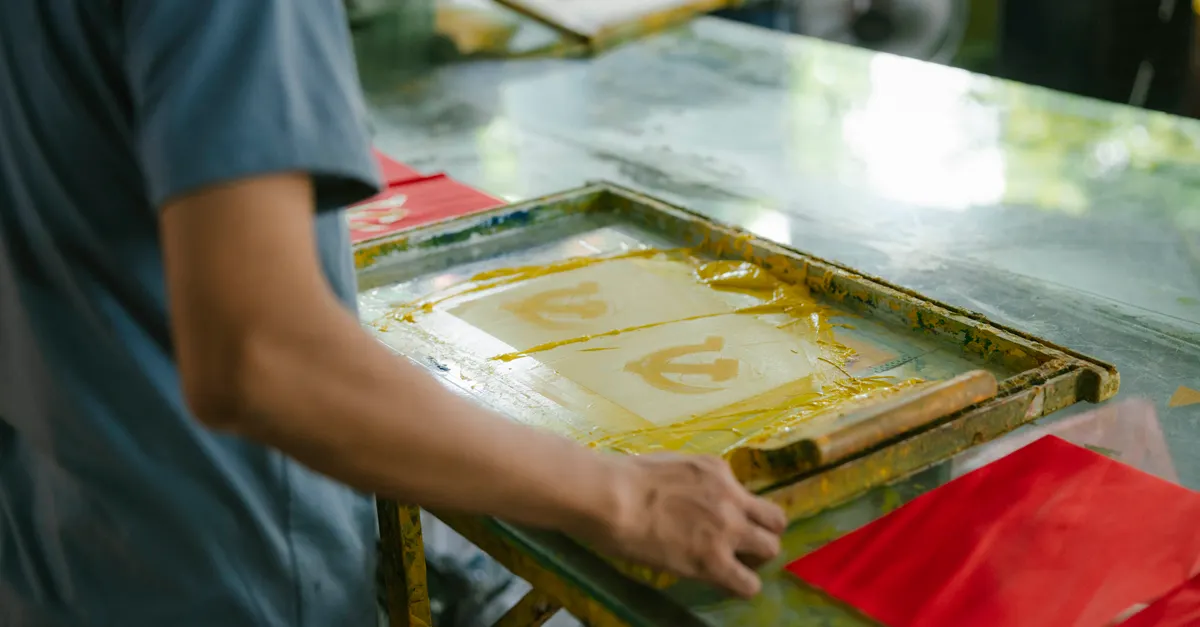
- Sublimation vs. Screen Printing: Screen printing is ideal for large runs of simple designs with few colors and works on various fabrics, including cotton. It can be less cost-effective for small batches or highly detailed, multi-color images. Sublimation, in contrast, excels at producing detailed, full-color designs but is limited to polyester fabrics.
Each method has its strengths. Sublimation is best for vibrant, detailed designs on light polyester shirts, while DTF and screen printing offer more flexibility with fabric types and colors. Your choice should depend on the specific needs of your project, desired finish, and available equipment.
Tips for Success and Mistakes to Avoid in Sublimation Printing
Achieving great results with sublimation requires attention to detail and awareness of common pitfalls. Here are some best practices and mistakes to watch out for:
- Use the Right Materials: Always choose high-polyester shirts and genuine sublimation inks and paper.
- Pre-Press Your Garment: Press the shirt for a few seconds before applying the transfer to remove moisture and wrinkles, which can cause uneven transfers.
- Check for Lint: Even small fibers can leave blue specks or ghosting on the final print. Use a lint roller before pressing.
- Secure the Transfer Paper: Use heat-resistant tape to keep the paper from shifting during pressing, which can cause blurry or double images.
- Monitor Time and Temperature: Follow recommended settings for your materials. Too much heat or pressing time can cause colors to fade or bleed.
- Avoid Overlapping Presses: Never press the same area twice, as this can lead to ghosting or color distortion.
By following these tips and being mindful of common mistakes, you can produce professional-quality T-shirts with consistent, eye-catching results.

Conclusion: Bringing Your T-Shirt Designs to Life
Sublimation offers a powerful way to create custom T-shirts with vivid, lasting designs. With the right equipment, materials, and attention to best practices, anyone can achieve professional results. While there are some limitations—such as the need for polyester garments and light colors—the benefits of durability, comfort, and creative freedom make this method a favorite for many apparel creators. As you explore the possibilities, remember to experiment, learn from each project, and enjoy the process of making your designs a reality.
Frequently Asked Questions
What type of T-shirt is best for sublimation?
The best shirts for sublimation are those made from at least 65% polyester. Popular options include the Gildan G800 and A4 A4N3402, which have a smooth surface and high polyester content for optimal color transfer.
Can I use sublimation printing on dark or cotton shirts?
Sublimation works best on white or light-colored polyester fabrics. The dye is translucent and will not show up well on dark garments. Cotton shirts are not suitable, as the dye does not bond with cotton fibers.
How does sublimation compare to other printing techniques?
Sublimation excels at producing vibrant, detailed, and durable prints on polyester fabrics. Compared to DTF and screen printing, it offers a softer feel and longer-lasting colors but is limited to light polyester garments. Other methods like DTF and screen printing provide more flexibility with fabric types and colors but may not match the vibrancy and durability of sublimation on suitable materials.