


The textile industry has undergone a significant transformation over the last decade, with new technologies reshaping how fabrics are designed and produced. Among these advancements, digital textile printing stands out as a revolutionary method that enables high-quality, customizable, and efficient fabric decoration. This process has rapidly gained popularity among designers, manufacturers, and brands seeking flexibility, speed, and vibrant results.
In this article, you’ll discover how digital methods differ from traditional printing, the core technologies involved, and the many advantages that have made this approach a preferred choice for both small-scale creators and large-scale production. If you’re interested in related techniques, you might also find our guide to dye sublimation printing on polyester helpful for understanding specialized printing on synthetic fabrics.

Understanding Digital Fabric Printing
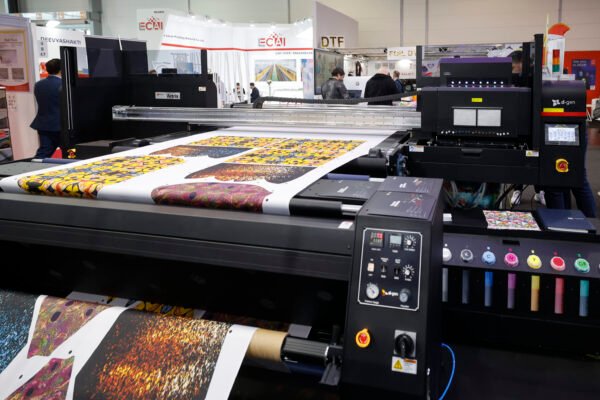
At its core, digital textile printing is a process where designs are applied directly onto fabric using inkjet technology. Unlike traditional screen printing, which requires the creation of physical screens for each color and pattern, digital methods use computer-controlled printers to deposit ink precisely where it’s needed. This allows for unlimited color combinations, intricate details, and rapid prototyping.
The process begins with a digital design file, often created in graphic design software. This file is then sent to a specialized printer equipped with textile-compatible inks. The printer sprays microscopic droplets of ink onto the fabric, building up the image layer by layer. After printing, the fabric may undergo post-processing steps such as steaming, washing, or heat-setting to ensure colorfastness and durability.
Key Technologies Behind Modern Textile Printing
Several technologies drive the digital transformation in textile decoration. The most common are:
- Direct-to-Fabric (DTF) Printing: This method prints directly onto the textile surface, suitable for cotton, silk, polyester, and blends. It’s ideal for continuous rolls of fabric and is widely used in fashion and home décor.
- Dye Sublimation: In this process, designs are first printed onto a special transfer paper using sublimation inks. The paper is then pressed onto polyester fabrics with heat, causing the ink to turn into gas and bond with the fibers. For a deeper dive into this, see our detailed guide on dye sublimation for polyester.
- Pigment Printing: Pigment inks are applied directly to the fabric and fixed with heat. This method is versatile and works on both natural and synthetic fibers, though it may have a different hand feel compared to other ink types.
Each technology has its strengths, depending on the type of fabric, intended use, and desired print quality.
How Digital Textile Printing Differs from Traditional Methods
Traditional textile printing, such as rotary screen or block printing, involves creating physical templates for each design and color. This approach is cost-effective for large runs but lacks flexibility for short runs or frequent design changes.
In contrast, digital methods offer:
- On-demand production: Print only what you need, when you need it, reducing inventory and waste.
- Unlimited design possibilities: Easily print complex, multi-colored, or photographic images without extra setup.
- Faster turnaround: Move from design to finished fabric in hours or days, not weeks.
- Customization: Personalize every piece, from fashion garments to home textiles, with unique graphics or branding.

Major Benefits of Digital Printing on Fabrics
The adoption of digital techniques in textile decoration brings several important advantages:
- Eco-friendly production: Digital methods use less water, fewer chemicals, and generate less waste compared to conventional printing. This supports more sustainable manufacturing practices.
- Cost efficiency for small runs: Without the need for screens or plates, setup costs are minimal, making it viable for short production runs or even one-off pieces.
- High-resolution results: Inkjet technology delivers sharp details and vibrant colors, suitable for photographic prints and intricate patterns.
- Quick sampling and prototyping: Designers can easily test new ideas and make adjustments before committing to large-scale production.
- Flexible material compatibility: Modern printers can handle a wide range of fabrics, from natural fibers like cotton and silk to synthetics such as polyester and nylon.
For a more technical breakdown and industry insights, you can explore this comprehensive overview of digital textile printing technology.
Popular Applications and Industry Trends
The versatility of digital fabric decoration has led to its adoption across various sectors:
- Fashion and apparel: Brands leverage digital printing for rapid prototyping, personalized collections, and limited-edition designs.
- Home textiles: Curtains, upholstery, bedding, and cushions benefit from custom patterns and fast turnaround.
- Sportswear: Performance fabrics with vibrant, durable prints are now standard in athletic apparel.
- Soft signage and displays: Banners, flags, and exhibition graphics use digitally printed textiles for lightweight, eye-catching visuals.
- Interior design: Designers can create unique wall coverings, art panels, and decorative accents tailored to specific spaces.
Challenges and Considerations in Digital Textile Printing
While the advantages are clear, there are also some challenges to consider:
- Fabric preparation: Some materials require pre-treatment to ensure ink adhesion and color vibrancy.
- Post-processing: Fixation steps like steaming or heat-setting are often necessary to lock in colors and improve wash durability.
- Ink compatibility: Not all inks work with every fiber type, so choosing the right combination is crucial for quality results.
- Equipment investment: High-quality printers and finishing equipment can be costly, though the long-term savings and flexibility often offset initial expenses.
Frequently Asked Questions
What fabrics are best suited for digital textile printing?
Most natural and synthetic fabrics can be used, including cotton, silk, polyester, linen, and blends. However, some materials may require special pre-treatment or specific ink types for optimal results.
How durable are digitally printed textiles?
When properly processed, digitally printed fabrics offer excellent wash and light fastness. Durability depends on the type of ink, fabric, and post-printing treatment used.
Is digital textile printing environmentally friendly?
Yes, this method is generally more sustainable than traditional printing. It uses less water, fewer chemicals, and produces less waste, making it a greener choice for modern textile production.
