Ensuring that food packaging is safe and compliant is a top priority for businesses operating in the United Kingdom. UK food-safe packaging regulations are designed to protect consumers from potential health risks and maintain the integrity of food products throughout the supply chain. Whether you are a manufacturer, distributor, or retailer, understanding these rules is essential for legal compliance and consumer trust.
This article breaks down the key requirements, responsibilities, and best practices for businesses involved in food packaging. We’ll also highlight how these regulations impact packaging design, materials, and sustainability efforts. For those working with sensitive products, you may also find our guide to food-safe packaging for sensitive food helpful.
Understanding the Legal Framework for Food Packaging in the UK
The UK’s approach to food packaging safety is governed by a combination of domestic laws and retained EU legislation. The primary legal instruments include:
- Food Safety Act 1990 – Establishes the general principles for food safety, including packaging.
- Materials and Articles in Contact with Food (England) Regulations 2012 – Sets out requirements for materials intended to come into contact with food.
- Retained EU Regulation (EC) No 1935/2004 – Covers the safety of all materials and articles intended to contact food, ensuring they do not transfer harmful substances.
- Good Manufacturing Practice (GMP) Regulation (EC) No 2023/2006 – Requires that food packaging is produced under controlled, hygienic conditions.
These laws are enforced by the Food Standards Agency (FSA) and local authorities. Businesses must ensure that their packaging complies with all applicable requirements, including those related to labeling, traceability, and documentation.
Key Requirements of UK Food-Safe Packaging Regulations
To comply with UK food-safe packaging regulations, businesses must address several core requirements:
- Material Safety: Packaging materials must not transfer substances to food in quantities that could endanger health, change food composition, or affect taste and odor.
- Traceability: All packaging must be traceable throughout the supply chain, enabling rapid response to safety issues or recalls.
- Documentation: Manufacturers and importers must provide a Declaration of Compliance (DoC) and supporting documentation for food-contact materials.
- Good Manufacturing Practice: Production processes must minimize contamination risks and ensure consistent quality.
- Labelling: Packaging must be clearly labeled to indicate its suitability for food contact, often using the glass and fork symbol or appropriate wording.
Approved Materials and Testing for Food Contact
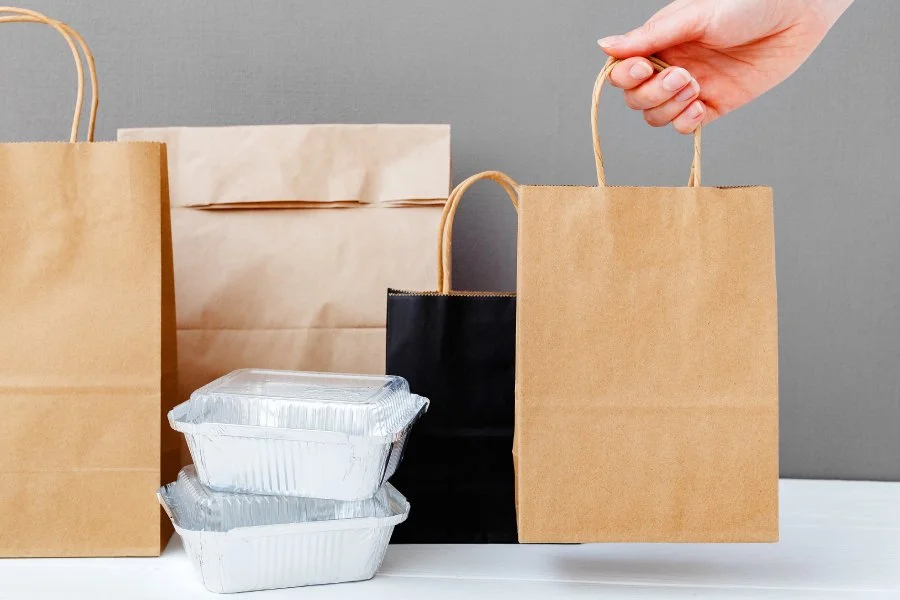
The selection of packaging materials is a critical aspect of compliance. Approved materials include certain plastics, glass, metals, ceramics, and paperboard, each subject to specific migration limits and testing requirements. Businesses must ensure that their chosen materials have been tested for food contact safety and meet the relevant standards.
Testing typically involves migration studies to determine if any substances transfer from the packaging into the food. Only materials that pass these tests and are supported by proper documentation can be used for direct food contact.
Migration Limits and Risk Assessment
Migration limits are set to protect consumers from exposure to harmful chemicals. For example, plastic packaging must comply with specific overall and specific migration limits for substances such as phthalates and heavy metals. Risk assessments should be conducted for new materials or when changing suppliers.
Best Practices for Compliance and Quality Assurance
Meeting food-safe packaging regulations in the UK requires a proactive approach to quality assurance. Here are some best practices to help your business stay compliant:
- Supplier Verification: Work with reputable suppliers who provide full traceability and documentation for their materials.
- Regular Audits: Conduct internal and external audits to ensure ongoing compliance with legal and safety standards.
- Employee Training: Train staff on hygiene, handling, and regulatory requirements for food packaging.
- Record Keeping: Maintain comprehensive records of materials, testing, and compliance documentation.
- Stay Updated: Monitor changes in legislation and guidance from the FSA and other authorities.
Sustainability and Recyclability in UK Food Packaging
As environmental concerns grow, there is increasing pressure on businesses to use sustainable and recyclable packaging materials. While compliance with UK food-safe packaging regulations is essential, companies are also encouraged to consider the environmental impact of their choices.

Many food-grade packaging materials, such as certain plastics, glass, and metals, are recyclable. However, businesses must ensure that recycled materials used in food packaging also meet strict safety requirements. For a deeper look at the environmental side, see our article on plastic recycling in food packaging.
Balancing Safety and Environmental Responsibility
The challenge is to balance food safety with environmental goals. Innovations in compostable and biodegradable packaging are emerging, but these materials must still comply with all food safety standards. Companies should work closely with suppliers and regulatory bodies to ensure that new materials are both safe and environmentally friendly.
Enforcement and Penalties for Non-Compliance
Regulatory authorities regularly inspect businesses for compliance with food packaging laws. Non-compliance can result in product recalls, fines, or even prosecution. It is crucial for businesses to take their responsibilities seriously and implement robust compliance systems.
If you’re looking for more information on the lifecycle of packaging, our guide to the food-safe packaging lifecycle provides a comprehensive overview.
Additional Resources and Industry Guidance
For further reading, the Food Standards Agency and the Department for Environment, Food & Rural Affairs (DEFRA) provide up-to-date guidance on food packaging safety. Industry groups and packaging specialists can also offer support in interpreting regulations and implementing best practices.
For a detailed look at what makes packaging food-grade and safe, see this comprehensive overview of food-grade packaging requirements.
Frequently Asked Questions
What materials are allowed for food packaging in the UK?
Approved materials include specific plastics, glass, metals, ceramics, and certain types of paper and board. Each material must comply with migration limits and be supported by documentation proving its safety for food contact.
How can businesses prove their packaging is compliant?
Companies must maintain a Declaration of Compliance (DoC) and supporting technical documentation. This includes test results, supplier certifications, and records of traceability throughout the supply chain.
Are recycled materials permitted in food packaging?
Yes, recycled materials can be used if they meet all safety and migration requirements. The recycled content must be traceable and tested to ensure it does not introduce contaminants into food products.
Where can I find more information about compostable packaging?
For insights into compostable options and how they fit within the UK’s regulatory framework, visit our article on composting food packaging.