As consumers and businesses alike become more conscious about health, sustainability, and food quality, glass food-safe packaging has gained significant attention. This type of packaging is valued for its ability to keep food fresh, maintain product integrity, and support eco-friendly initiatives. Whether you’re a food producer, retailer, or simply someone interested in safe storage solutions, understanding the essentials of glass containers for food is crucial.
In this article, we’ll break down what makes glass containers suitable for food, explore their advantages, and offer practical guidance on choosing and using them. If you’re also interested in printing techniques for packaging or textiles, you might find our guide to sublimation vs direct to film printing helpful for understanding decoration methods that complement safe packaging.
What Defines Food-Safe Glass Containers?
Not all glass is created equal when it comes to storing food. Food-safe glass packaging refers to glass containers that are manufactured and treated to meet strict safety standards. These standards ensure that the glass will not leach harmful substances into food or beverages, even when exposed to temperature changes or acidic ingredients.
The most common types of glass used for food applications are soda-lime glass and borosilicate glass. Both are non-porous, do not absorb flavors or odors, and resist chemical reactions. Food-grade glass is also free from lead and other toxic additives, making it a reliable choice for preserving food quality.
Benefits of Using Glass for Food Storage and Packaging
There are several reasons why glass is a preferred option for food packaging:
- Non-reactive and inert: Glass does not interact with food, ensuring that flavors, aromas, and nutrients remain unchanged.
- Transparency: The clear nature of glass allows consumers to see the contents, which is especially important for quality assurance and presentation.
- Reusability and recyclability: Glass containers can be washed and reused multiple times, and they are 100% recyclable without loss of quality.
- Temperature resistance: Glass can withstand both hot and cold temperatures, making it suitable for a variety of storage and cooking applications.
- Odor and stain resistance: Unlike some plastics, glass does not retain odors or stains from food.
How to Identify Safe Glass Packaging for Food
When selecting glass containers for food, it’s important to verify that they meet recognized safety standards. Look for the following indicators:
- Certifications and markings: Many food-safe glass products are marked with symbols or certifications such as “food safe” or “FDA approved.”
- Manufacturer reputation: Purchase from reputable brands known for producing high-quality, compliant glassware.
- Absence of lead or cadmium: Ensure the glass is labeled as lead-free and does not contain harmful heavy metals.
- Intended use: Some glass is designed only for decorative purposes and may not be suitable for food. Always check the manufacturer’s specifications.
For more detailed guidance on evaluating packaging materials, visit this comprehensive resource on determining if a packaging material is food safe.
Common Applications of Glass in Food Packaging
Glass is widely used across the food industry for a variety of products. Some of the most common uses include:
- Jars for preserves, jams, and sauces: Airtight glass jars help extend shelf life and maintain freshness.
- Bottles for beverages: From juices to wines and spirits, glass bottles are a classic choice for liquid storage.
- Containers for dairy products: Yogurt, cream, and desserts are often packaged in glass to prevent contamination and preserve flavor.
- Ready-to-eat meals and takeout: Glass containers are increasingly used for premium meal delivery and takeout, offering a sustainable alternative to plastic.
Comparing Glass to Other Food-Safe Packaging Materials
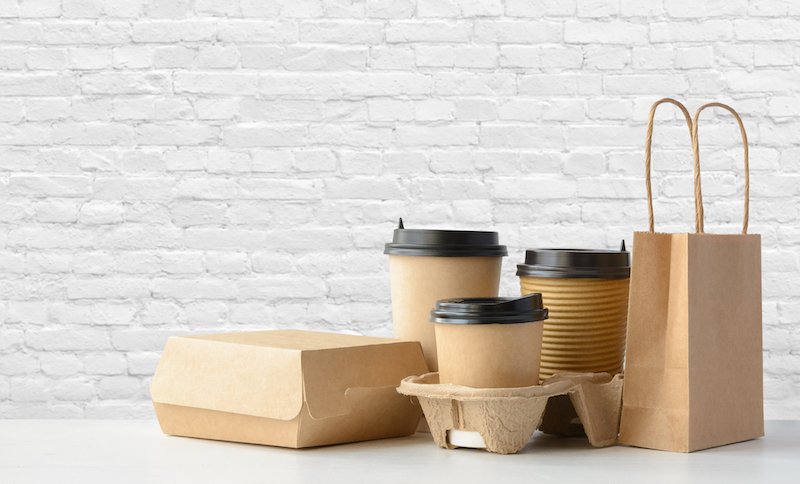
While glass offers many advantages, it’s helpful to compare it with other commonly used packaging materials:
| Material | Benefits | Drawbacks |
|---|---|---|
| Glass | Non-reactive, reusable, recyclable, transparent | Heavier, breakable, sometimes higher cost |
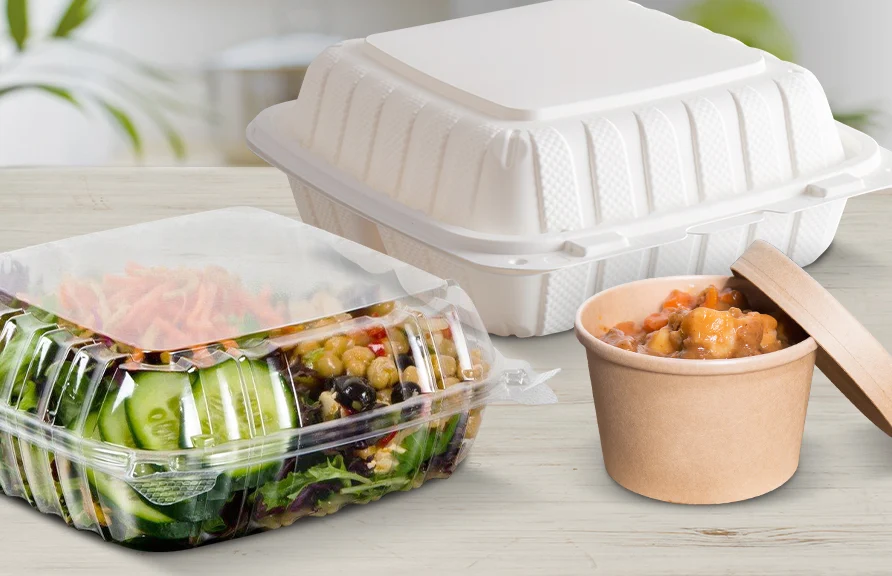
| Plastic | Lightweight, versatile, inexpensive | Potential for chemical leaching, less sustainable |
| Metal (e.g., tin, aluminum) | Durable, good barrier properties | Possible metallic taste, not always transparent |
| Paper/Cardboard | Lightweight, biodegradable, printable | Limited moisture resistance, may require coatings |
The choice between these materials often depends on the product, distribution needs, and sustainability goals.
Best Practices for Using and Reusing Glass Containers
To maximize the benefits of glass in food applications, consider these tips:
- Always wash new glass containers thoroughly before first use.
- Avoid sudden temperature changes to prevent cracking or shattering.
- Inspect glass regularly for chips or cracks, as damaged containers can pose safety risks.
- Use appropriate lids or closures to maintain airtight seals and prevent contamination.
- Label and date stored food to ensure freshness and minimize waste.
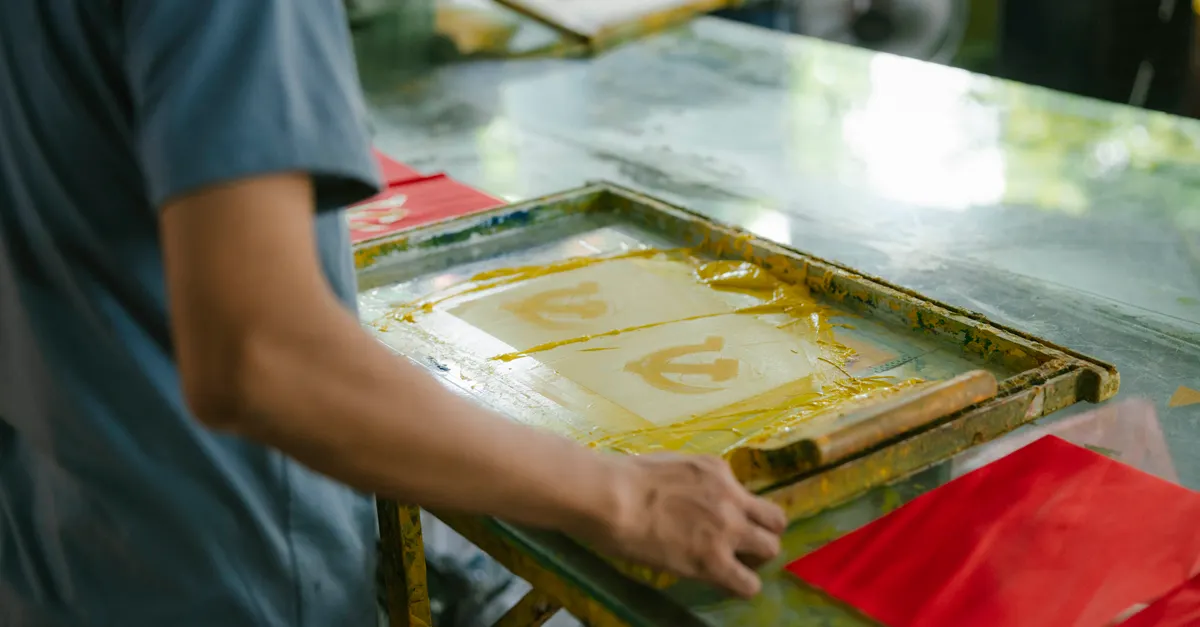
If you’re involved in packaging design or printing, it’s also important to use safe inks and processes. For example, learning how to clean screen printing meshes can help maintain hygiene standards when printing on glass or other food-contact surfaces.
Environmental Impact and Sustainability of Glass Packaging
One of the standout features of glass is its environmental profile. Glass is made from abundant natural materials like sand, soda ash, and limestone. It is fully recyclable, meaning it can be melted down and reformed into new containers without any loss in quality or purity.
Reusing glass containers at home or in business settings further reduces waste and resource consumption. Many cities and regions have established glass recycling programs, making it easier for consumers and companies to participate in circular economy practices.
Frequently Asked Questions
Is all glass safe for storing food?
No, not every glass container is intended for food use. Only those labeled as food-safe or manufactured to meet food contact standards should be used for storing or packaging food. Decorative glassware or items with unknown origins may contain harmful substances.
Can glass containers be used in the microwave or oven?
Many glass containers are microwave and oven safe, but always check the manufacturer’s instructions. Borosilicate glass is typically more resistant to thermal shock, while soda-lime glass may be more prone to cracking with sudden temperature changes.
How can I tell if a glass jar or bottle is recyclable?
Most food-grade glass containers are recyclable. Look for recycling symbols or check with your local recycling program for specific guidelines. Remove any non-glass components, such as metal lids or plastic seals, before recycling.