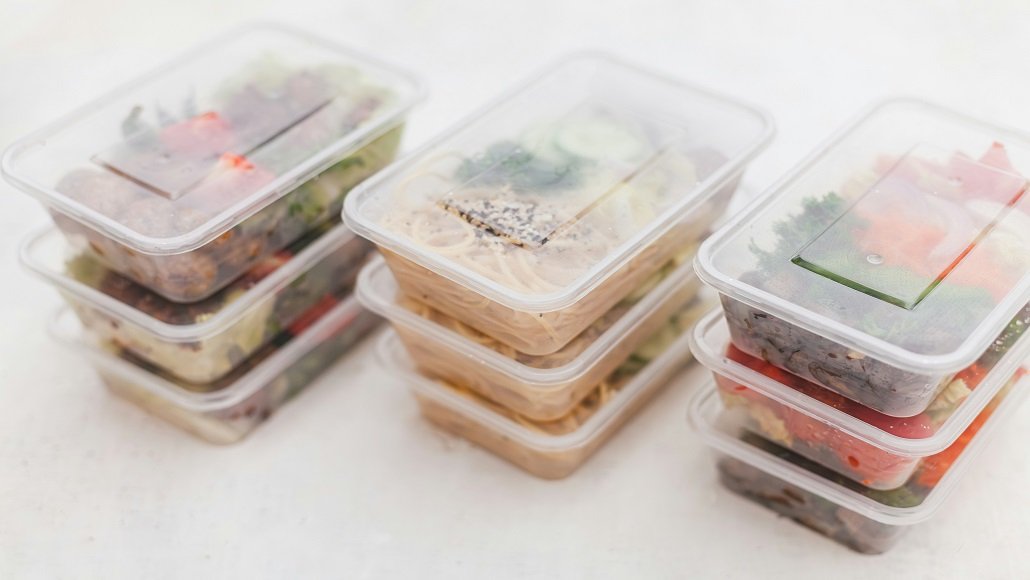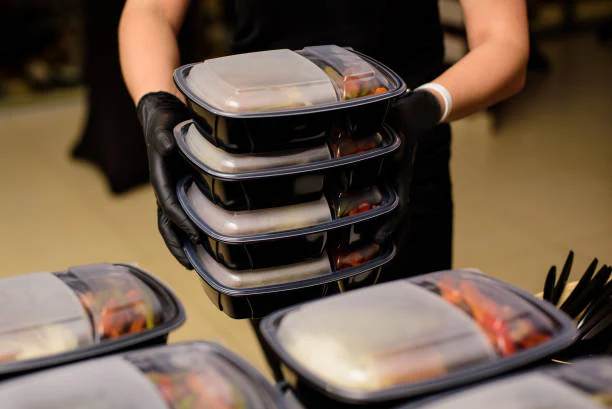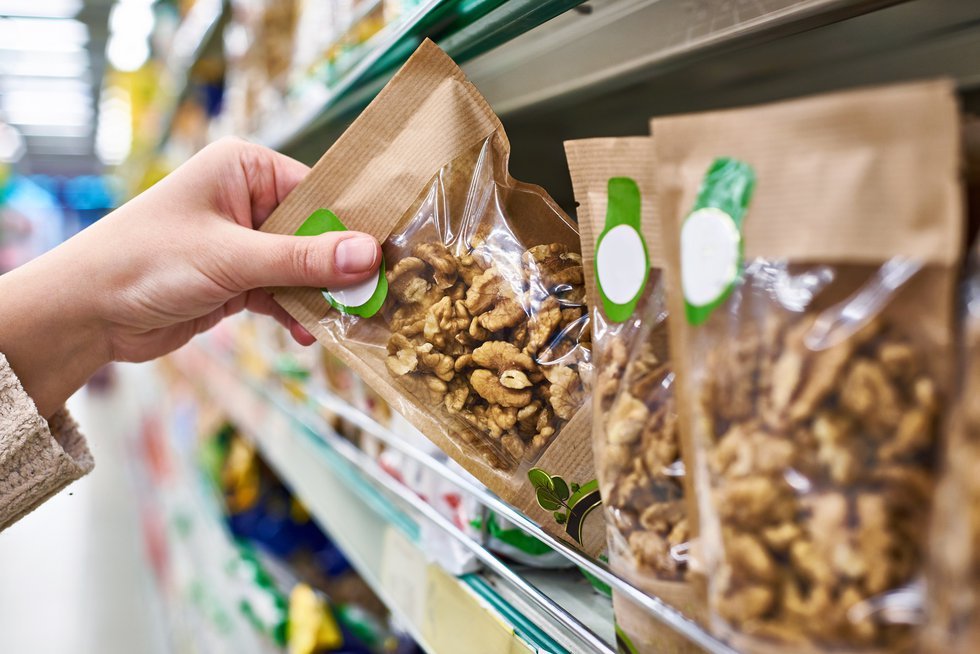
Understanding the difference between food-safe packaging vs non-food-safe packaging is essential for anyone involved in food production, distribution, or retail. The materials and processes used in packaging can directly impact food safety, shelf life, and even regulatory compliance. Whether you’re a manufacturer, small business owner, or simply a consumer who wants to make informed choices, knowing what distinguishes food-safe options from others can help you avoid health risks and ensure product quality.
This article explores the key distinctions, regulatory standards, and practical considerations for selecting appropriate packaging for food products. For a detailed look at the best materials for different applications, see our food-safe packaging materials comparison.
What Makes Packaging Food-Safe?
Food-safe packaging refers to materials and containers that are specifically designed and tested to prevent contamination of food. These products must not transfer harmful chemicals, odors, or tastes to the food they contain. Regulatory agencies such as the FDA (U.S. Food and Drug Administration) and EFSA (European Food Safety Authority) set strict guidelines for what qualifies as food-safe.
- Material purity: Only certain plastics, papers, metals, and coatings are approved for direct food contact.
- Migration limits: The packaging must not leach substances into food above established safety thresholds.
- Manufacturing standards: Facilities producing food-contact packaging must follow hygiene and traceability protocols.
- Labeling: Food-safe items are often marked with symbols such as a glass-and-fork or explicit “food contact safe” language.
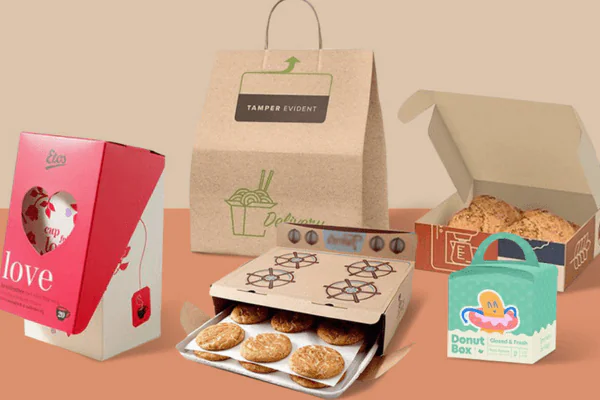
Risks Associated with Non-Food-Safe Packaging
Using packaging not intended for food contact can pose significant health hazards. Non-food-safe packaging may contain dyes, adhesives, or recycled materials that are not controlled for food safety. These substances can migrate into food, especially when exposed to heat, moisture, or acidic ingredients.
- Chemical contamination: Harmful substances such as BPA, phthalates, or heavy metals can leach into food.
- Microbial growth: Non-compliant packaging may not provide adequate barriers against bacteria or mold.
- Allergen transfer: Residues from previous non-food uses can introduce allergens or toxins.
- Legal consequences: Selling food in non-approved packaging can result in recalls, fines, or loss of consumer trust.
For those dealing with sensitive products, such as baby food or allergen-containing items, specialized guidance is available. For example, our resource on food-safe packaging for baby food covers unique requirements for infant nutrition.
Key Differences: Food-Safe Packaging vs Non-Food-Safe Packaging
The distinction between food-safe packaging vs non-food-safe packaging lies in both material composition and regulatory oversight. Here’s a closer look at how they compare:
| Aspect | Food-Safe Packaging | Non-Food-Safe Packaging |
|---|---|---|
| Material Approval | Tested and certified for food contact | Not evaluated for food safety |
| Regulatory Compliance | Meets FDA/EFSA or local standards | No food-contact certification |
| Migration Testing | Limited transfer of chemicals | Potential for harmful leaching |
| Labeling | Clearly marked as food-safe | No food-contact labeling |
| Intended Use | Designed for direct food contact | General or industrial use only |
Common Materials Used in Food-Safe Packaging
Selecting the right packaging material depends on the type of food, storage conditions, and shelf life requirements. Some of the most widely used food-safe materials include:
- Polyethylene (PE) and Polypropylene (PP): Used for bags, wraps, and containers due to their inertness and moisture resistance.
- Glass: Non-reactive and impermeable, ideal for beverages and preserves.
- Food-grade paper and cardboard: Treated to resist grease and moisture, suitable for bakery and dry goods.
- Aluminum: Provides an excellent barrier to light, oxygen, and moisture, commonly used for cans and foil wraps.
- Compostable bioplastics: Increasingly popular for eco-friendly food packaging solutions.
For a deeper dive into the pros and cons of each material, refer to our food-safe packaging materials comparison.
Regulations and Certifications for Food Packaging
Compliance with food packaging regulations is not optional. In the United States, the FDA sets out requirements for materials that come into contact with food. In the European Union, the EFSA provides similar oversight. Packaging manufacturers must conduct migration testing and maintain documentation proving their products are safe for food contact.
Look for certifications or documentation from suppliers, and always verify that packaging is suitable for your specific food product. For those handling allergen-sensitive foods, our guide on food-safe packaging for allergens explains best practices for cross-contamination prevention.
For a broader perspective on industry standards and the latest innovations, the complete guide to food-safe packaging solutions provides up-to-date information on compliance and trends.
Choosing the Right Packaging for Your Food Product
When selecting packaging, consider the following steps to ensure safety and compliance:
- Identify the type of food: Wet, dry, acidic, or fatty foods may require different packaging materials.
- Check for food-contact certification: Always request documentation from suppliers.
- Assess storage and transport conditions: Temperature, humidity, and handling can affect packaging performance.
- Consider labeling and traceability: Proper labeling helps with recalls and regulatory checks.
- Stay informed about regulations: Requirements can change, especially for exports or specialty foods.
For pet food manufacturers and brands, unique considerations apply. See our article on food-safe packaging for pet food for more details.
FAQ: Food-Safe and Non-Food-Safe Packaging
How can I tell if packaging is food-safe?
Look for symbols such as a glass-and-fork, or explicit statements like “food contact safe.” Suppliers should provide certification or documentation confirming compliance with relevant regulations.
What happens if I use non-food-safe packaging for food?
Using non-approved packaging can lead to chemical contamination, spoilage, or legal penalties. It may also result in product recalls and damage to your brand reputation.
Are recycled materials safe for food packaging?
Some recycled materials are approved for food contact, but only if they meet strict purification and testing standards. Always verify the source and certification of recycled packaging before use.
Where can I learn more about allergen labeling on food packaging?
For information on how to properly label allergens on packaging, see our dedicated resource on food-safe packaging allergen labeling.