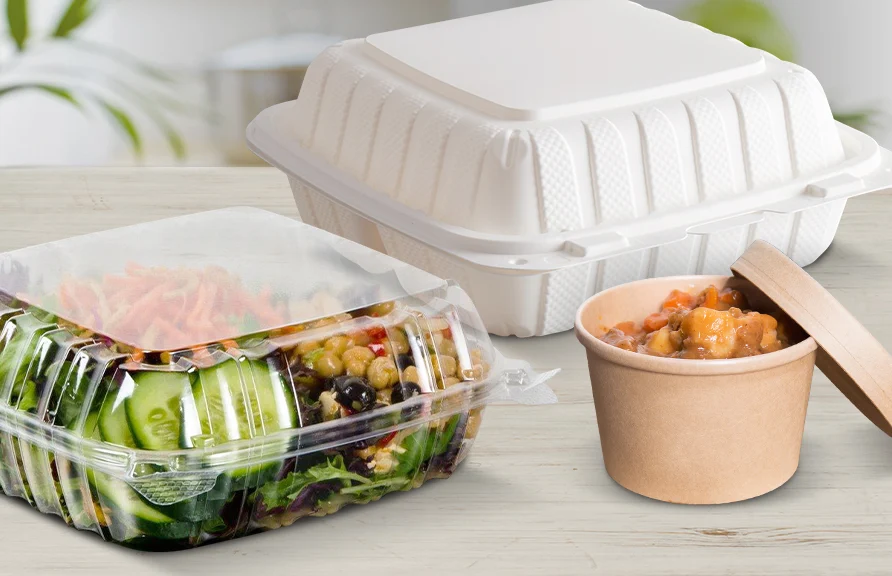
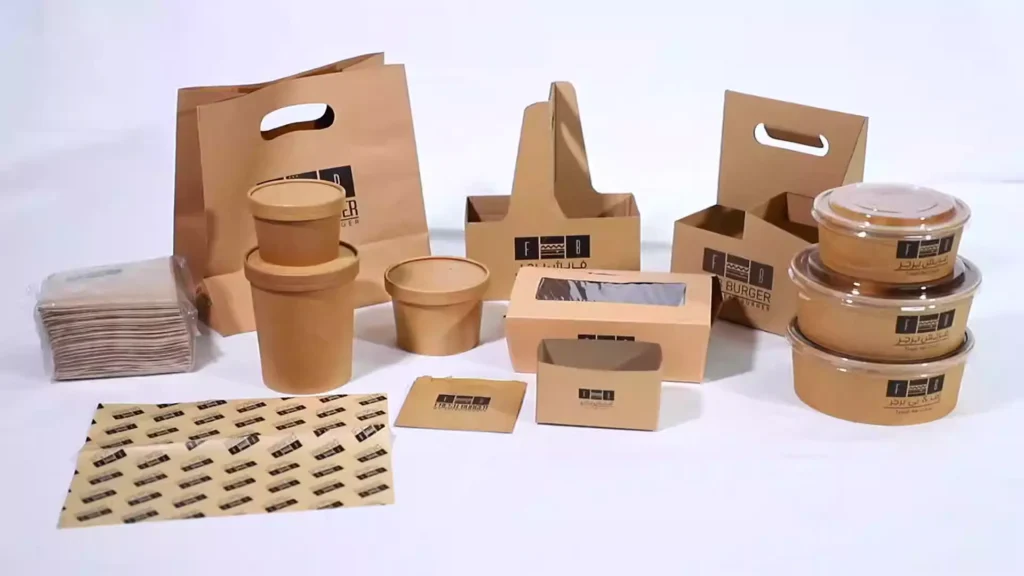
Selecting the right packaging is crucial for any business handling food products. The safety, durability, and sustainability of packaging materials directly impact food quality, shelf life, and consumer trust. With a wide range of options available, understanding the differences between common materials is essential for making informed decisions. This guide offers a detailed food-safe packaging materials comparison, highlighting the strengths, weaknesses, and best uses for each type.
Whether you’re packaging baked goods, fresh produce, or ready-to-eat meals, the right choice can help ensure compliance with regulations and meet consumer expectations. For those interested in allergen management, our resource on food-safe packaging allergen labeling provides further insights.
Understanding Food-Grade Packaging Materials
Food-grade packaging refers to materials that are safe for direct contact with food and beverages. These materials must meet strict regulatory standards to prevent contamination, migration of harmful substances, and spoilage. The most common types include plastics, paper and cardboard, glass, and metals, each with unique properties and applications.
Plastic Packaging: Versatility and Concerns
Plastics are among the most widely used materials for food packaging due to their versatility, lightweight nature, and cost-effectiveness. Common types include PET, HDPE, LDPE, and PP. Each type offers different benefits:
- PET (Polyethylene Terephthalate): Commonly used for beverage bottles and salad containers. It is lightweight, clear, and has good barrier properties against moisture and gases.
- HDPE (High-Density Polyethylene): Used for milk jugs and juice bottles. It is strong, opaque, and resistant to impact and chemicals.
- LDPE (Low-Density Polyethylene): Often found in bread bags and flexible lids. It is flexible and moisture-resistant but offers less strength.
- PP (Polypropylene): Used in yogurt containers and microwaveable trays. It is heat-resistant and maintains shape under stress.
While plastics offer excellent protection and convenience, environmental concerns are significant. Many plastics are not biodegradable, and improper disposal can contribute to pollution. However, recycling programs and the development of bioplastics are helping address these issues.

Paper and Cardboard: Sustainable and Customizable
Paper-based packaging is increasingly popular for its eco-friendly profile and versatility. Options include corrugated boxes, paperboard cartons, and molded fiber trays. These materials are often used for bakery items, takeout food, and dry goods.
- Corrugated Cardboard: Provides strength and cushioning, ideal for shipping and bulk packaging.
- Paperboard: Lightweight and printable, commonly used for cereal boxes and snack packaging.
- Molded Fiber: Made from recycled paper, suitable for egg cartons and produce trays.
Paper and cardboard are biodegradable and widely recyclable, making them a preferred choice for brands focused on sustainability. However, they may require coatings or liners to improve moisture resistance, especially for products with high water content.
Glass and Metal: Premium Protection and Reusability
Glass and metal containers are valued for their durability, inertness, and ability to preserve food quality. Glass jars and bottles are commonly used for sauces, jams, and beverages, while metal cans and tins are standard for canned foods and beverages.
- Glass: Non-reactive and impermeable, glass does not leach chemicals and preserves flavor. It is reusable and recyclable but heavier and more prone to breakage.
- Aluminum and Steel: Lightweight, strong, and resistant to corrosion. Metal cans offer excellent protection from light and oxygen, extending shelf life.
The main drawbacks are cost, weight, and energy-intensive manufacturing. However, both materials are highly recyclable and often reused in closed-loop systems.
Comparing Food-Safe Packaging for Special Dietary Needs
When packaging foods for specific dietary requirements—such as gluten-free, allergen-free, vegan, or organic—additional considerations come into play. Packaging must prevent cross-contamination and clearly communicate product attributes. For example, food-safe packaging for gluten-free foods often involves dedicated production lines and clear labeling.
Similarly, food-safe packaging for allergens and food-safe packaging for vegan products require strict controls to ensure consumer safety. For organic products, packaging must comply with regulations regarding material sourcing and labeling, as discussed in our food-safe packaging for organic food guide.

Environmental Impact and Regulatory Considerations
Sustainability is a growing concern for both businesses and consumers. Biodegradable plastics, compostable paper, and reusable glass or metal containers are gaining traction. When comparing packaging options, consider the entire lifecycle—from raw material sourcing to end-of-life disposal.
Food packaging must also comply with local and international regulations regarding food contact materials. For a deeper dive into the science and safety of packaging choices, review this scientific overview of food packaging materials and their safety.
Quick Reference Table: Key Packaging Materials
| Material | Best For | Benefits | Drawbacks |
|---|---|---|---|
| Plastic (PET, HDPE, PP, LDPE) | Beverages, snacks, ready meals | Lightweight, versatile, cost-effective | Environmental concerns, recycling challenges |
| Paper/Cardboard | Bakery, dry goods, takeout | Eco-friendly, customizable, recyclable | Limited moisture resistance, may need liners |
| Glass | Jams, sauces, beverages | Non-reactive, reusable, preserves flavor | Heavy, breakable, higher cost |
| Metal (Aluminum, Steel) | Canned foods, drinks | Durable, excellent barrier, recyclable | Energy-intensive production, weight |
Choosing the Right Food Packaging: Key Takeaways
- Assess the specific needs of your product—moisture, oxygen, light sensitivity, and shelf life.
- Consider consumer preferences for sustainability and ease of use.
- Ensure compliance with food safety regulations and clear labeling for dietary requirements.
- Balance cost, performance, and environmental impact when making your selection.
FAQ: Food-Safe Packaging Materials
What makes a packaging material food-safe?
Food-safe materials are those that do not transfer harmful chemicals, odors, or flavors to the food. They must comply with regulatory standards and be suitable for the intended type of food and storage conditions.
Are biodegradable and compostable packaging materials always the best choice?
While biodegradable and compostable options are better for the environment, their suitability depends on the food type, shelf life, and local waste management infrastructure. They may not always provide the same level of protection as traditional materials.
How can I ensure my packaging is compliant with food safety regulations?
Work with reputable suppliers, verify material certifications, and stay updated on relevant regulations. Regular testing and documentation help ensure ongoing compliance and consumer safety.